


 Home /
What Gearbox Is Best for Heavy Duty Applications?
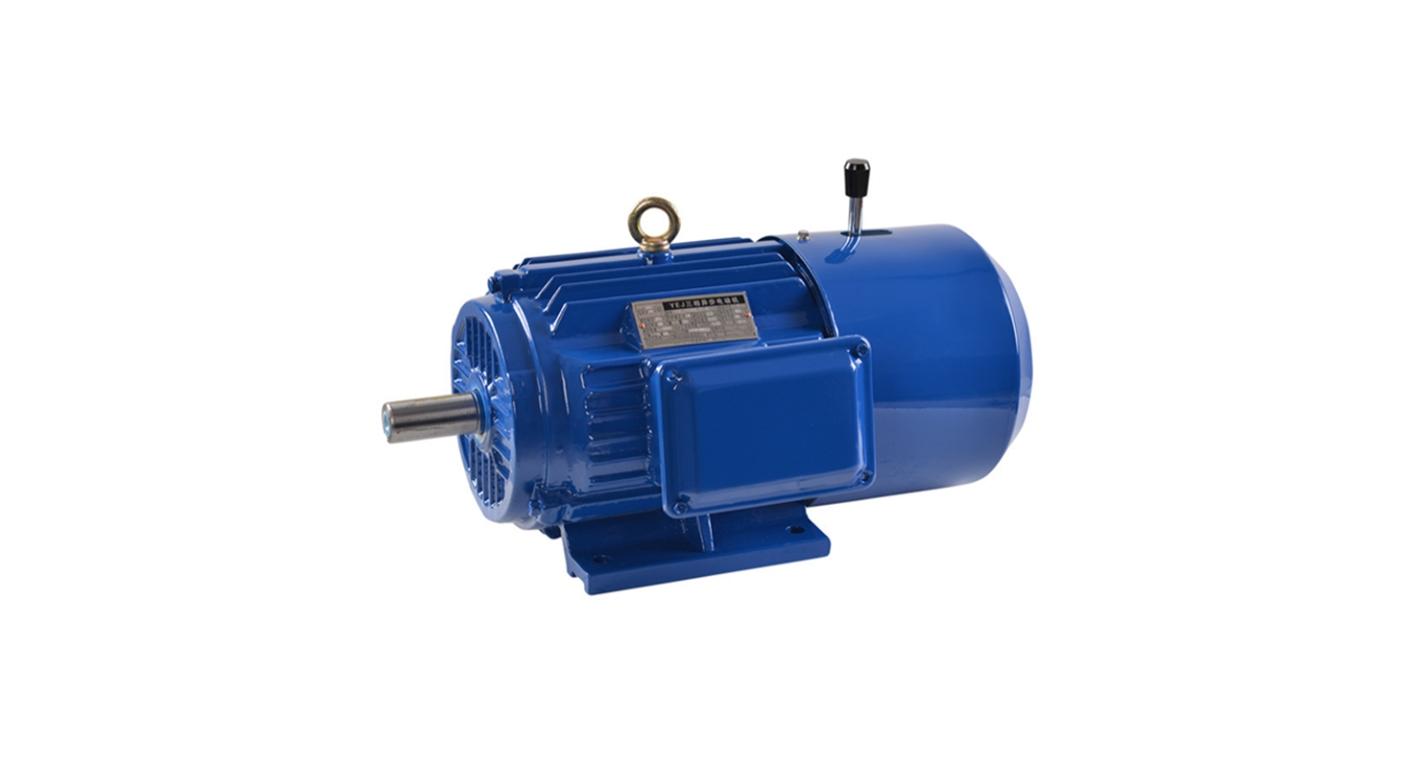
Right Angle Geared Motor: Matching Electrical Supply, Variable Speed and Braking
Oct 26, 2026
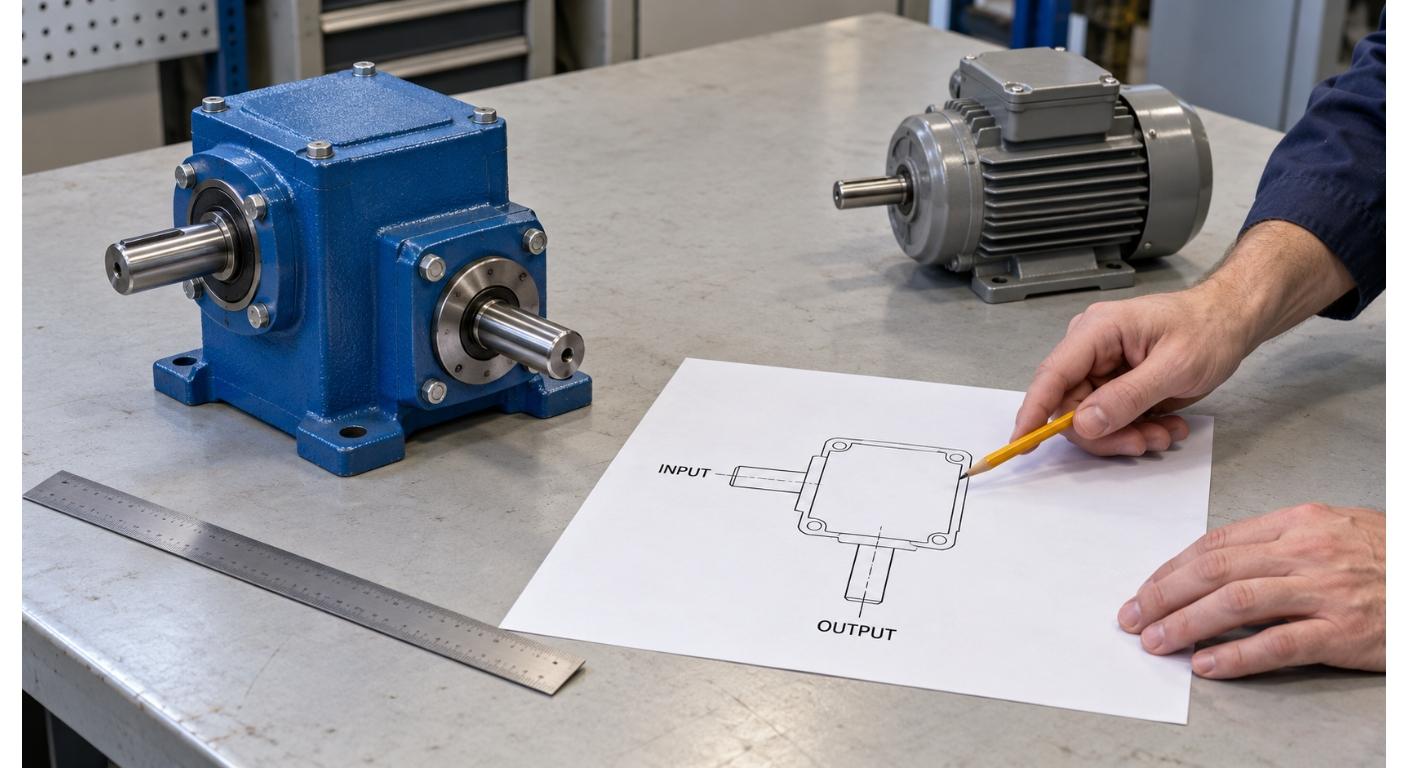
Planning a Bevel Reducer Installation: Turn Shaft Requirements Into a Practical Drive Layout
Oct 26, 2026
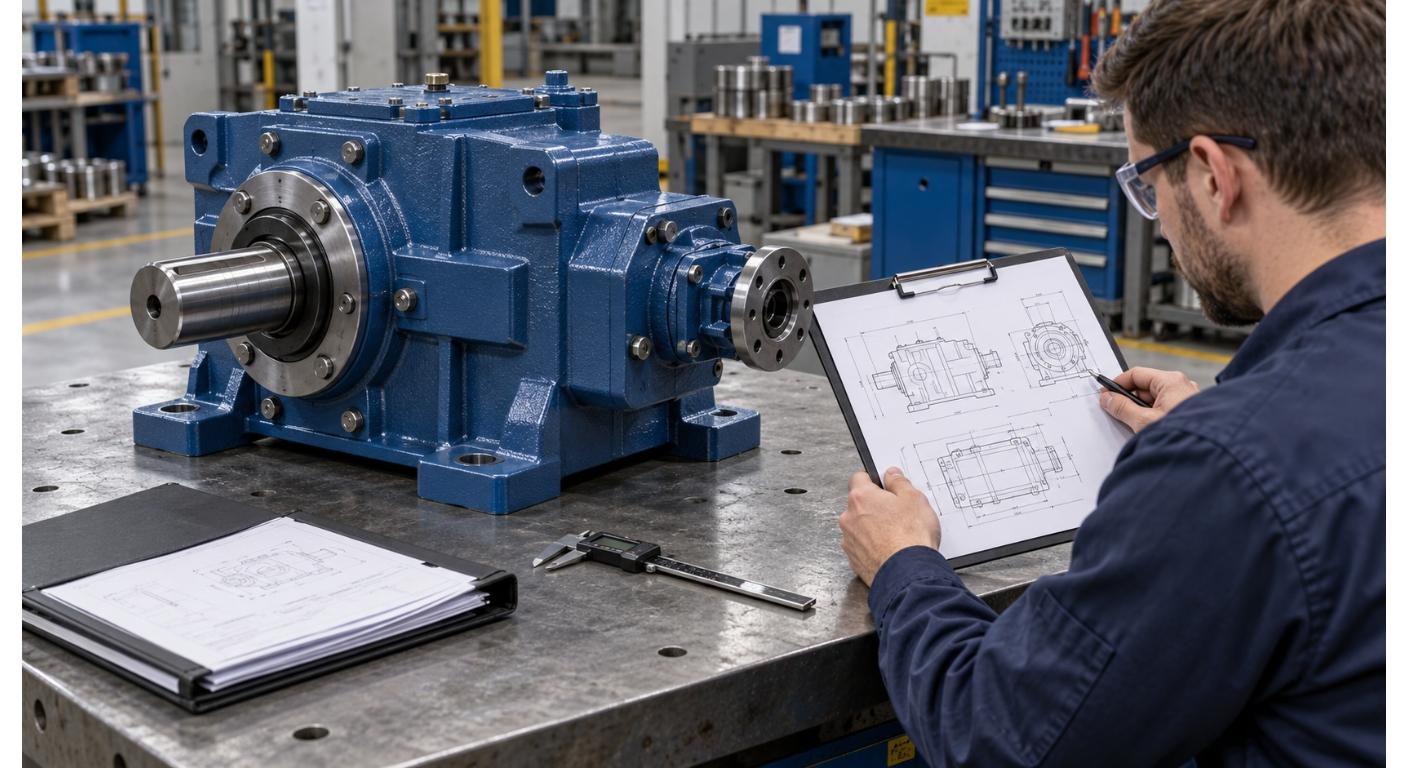
Choosing an Overhead Crane Gearbox by Its Hoisting or Travel Function
Oct 26, 2026
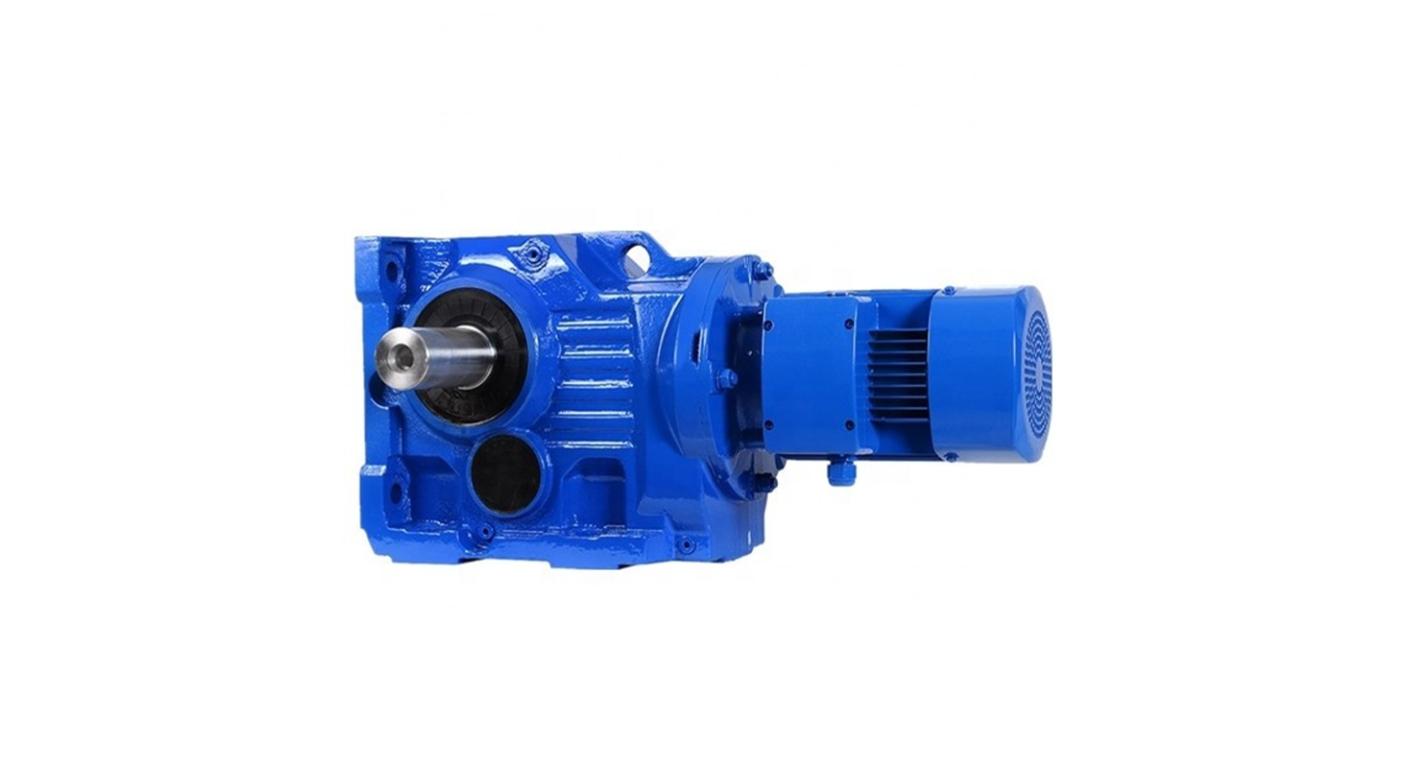
Replacing an Industrial Worm Gearbox: What to Keep and What to Reassess
Oct 25, 2026
For most heavy-duty industrial drives, a helical or bevel-helical industrial gearbox is the best general-purpose choice; where very high torque must fit a compact envelope, a heavy-duty planetary reducer is usually better. Both must be sized on worst-case duty with an adequate service factor, not on motor nameplate power alone.
Key takeaways
- There is no single best heavy-duty gearbox: helical and bevel-helical units suit most industrial drives, while planetary reducers win when torque density and footprint dominate.
- A 20:1 reduction multiplies torque by 20 before efficiency losses are accounted for, so required torque — not motor horsepower — is the sizing basis.
- Selection must reflect worst-case actual duty, including starts per hour, reversals, load profile and annual operating hours.
- Gearbox choice is also a thermal, mounting and environment decision, because efficiency losses become heat in the oil sump.
- Overloading, inadequate cooling, lubrication problems, misalignment and excessive vibration are the recurring heavy-duty failure risks.
What "Heavy Duty" Actually Means in Gearbox Selection
"Heavy duty" describes the duty an application imposes — high continuous torque, shock loads, frequent starts or a harsh environment — and it is confirmed during sizing, not by a product label.
A gearbox is a mechanical power-transmission unit that reduces input speed, increases output torque, and can change the direction of power transmission, as Malloy Electric describes in its industrial gearbox application guide. Whether a given unit qualifies as heavy duty depends on how hard it is worked, not on how it is marketed.
Midwest Power Products lists torque, duty class, mounting configuration, thermal capacity, environment, support and lifecycle cost as the criteria that separate gearbox options in its industrial gearbox comparison. Those inputs describe an application, not a catalogue category.
Three practical consequences follow:
- Two machines with identical motors can need different gearbox frame sizes.
- A unit rated for continuous smooth duty may be undersized for the same torque under shock.
- A gearbox that fits the torque requirement can still fail on thermal capacity or bearing load.
Which Gearbox Is Best for Heavy Duty Applications?
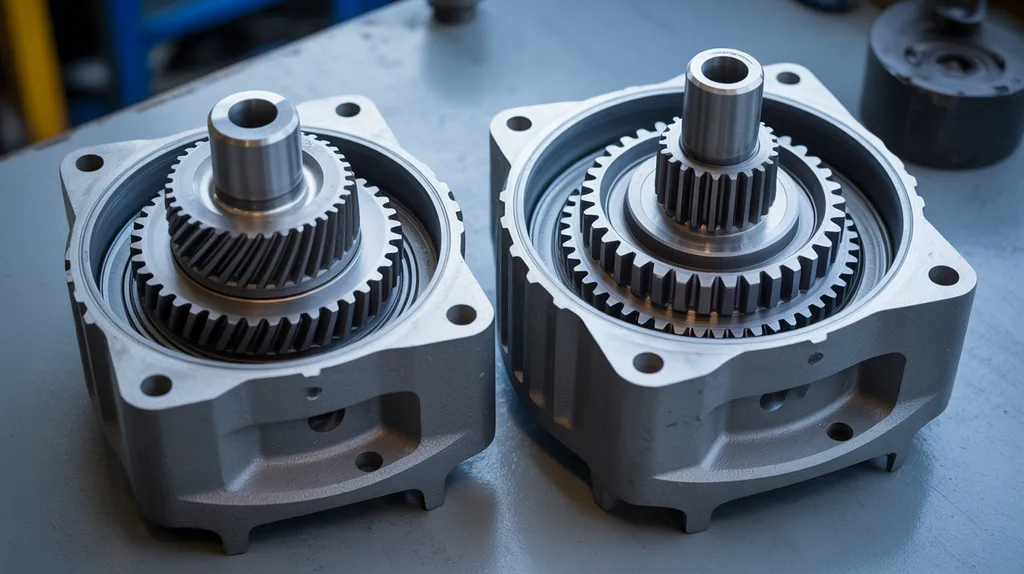
Helical and bevel-helical industrial gearboxes are the usual first choice for heavy-duty industrial drives, and heavy-duty planetary reducers are the usual alternative where torque density and compact size matter more than simplicity.
The comparison below sets out the trade-offs. Efficiency figures are per-stage ranges stated by Malloy Electric in its application guide and are indicative only; actual efficiency depends on ratio, number of stages, load and operating conditions.
| Criterion | Helical / bevel-helical gearbox | Heavy-duty planetary reducer |
|---|---|---|
| Typical heavy-duty role | General-purpose industrial drives, right-angle drives | Compact high-torque drives |
| Torque density | Lower — larger unit for the same torque | Higher |
| Footprint | Larger | Smaller for equivalent torque |
| Shock and reversing duty | Smooth load sharing across many teeth; verify on service factor | Multi-tooth contact; verify peak torque and backlash |
| Efficiency (source-stated, per stage) | 96–99% helical; 94–98% bevel | 96–99% planetary |
| Shaft arrangement | Parallel or right-angle | In-line, coaxial |
| Common heavy-duty applications | Conveyors, crushers, mixers | Heavy machinery and mobile equipment |
| Main selection risk | Under-sizing on shock and thermal load | Assuming compact size means unlimited torque |
According to Santram Engineers, helical gears are smooth, relatively quiet and widely used in material handling, conveyors and heavy-duty machinery, while planetary gearboxes are compact units that can transmit high torque in limited space.
When Helical and Bevel-Helical Gearboxes Are the Better Choice
Choose helical or bevel-helical when duty is continuous and broad, mounting space is available, and either a parallel or a right-angle shaft arrangement suits the machine.
Bevel-helical stages add right-angle capability where the driven shaft cannot line up with the motor. Industrial Gearbox Supply identifies helical gearboxes for conveyors, crushers and mixers in its guide to choosing a gearbox for heavy-duty applications, and the same source gives bevel gearing a typical per-stage efficiency of 94–98%.
This is the default for a reason: helical units are widely available, straightforward to mount and maintain, and the design tolerates the continuous-duty profile of most plant equipment. It is a poor fit only when the drive envelope is genuinely constrained.
When a Heavy-Duty Planetary Reducer Is the Better Choice
Choose a planetary reducer when very high output torque must fit a constrained envelope, when the shaft arrangement must be in-line, or when the drive is mounted on the machine itself.
Industrial Gearbox Supply describes planetary gearboxes as compact units with high torque density, achieved through multi-tooth contact in which several planet gears share the load at once. The same guide places planetary gearboxes in heavy machinery and mobile equipment.
The limit matters as much as the benefit: a compact frame does not mean unlimited torque. Peak and stall torque still have to be checked against the manufacturer's rating, and backlash may matter more in positioning duties. For drives of this kind, a planetary gearbox high torque selection is usually specified by torque at the output shaft rather than by frame size.
Where Worm, Cycloidal and Other Types Fit
Worm reducers offer high reduction ratios but lower efficiency and more heat; cycloidal reducers suit specific high-ratio, shock-tolerant duties; neither displaces helical or planetary as the usual heavy-duty answer.
Industrial Gearbox Supply notes that worm gearboxes can achieve high reduction but are subject to lower efficiency and greater heat generation than the other types it lists. Malloy Electric gives indicative per-stage efficiency ranges of 50–90% for worm gearing and 85–95% for cycloidal reducers, against 96–99% for helical and planetary gearing.
If you are weighing these alternatives against the two leading choices, the broader best gearbox type industrial comparison covers the full family, and the cycloidal gearbox high torque page deals with that design in detail. Treat both as secondary options for heavy-duty work unless a specific ratio, envelope or shock requirement points to them.
Torque Density, Shock Tolerance and Footprint: The Three Decisive Differences
Planetary designs deliver more torque per unit of volume, helical designs distribute load smoothly across many teeth, and footprint usually decides the tie when both types meet the torque requirement.
[DIAGRAM: Two heavy-duty gearboxes drawn to the same torque rating, side by side — a bevel-helical unit and a planetary reducer — with overall dimensions labelled to show the footprint difference.]
Torque density is the amount of output torque a gearbox delivers per unit of size or mass. Shock tolerance is how well it absorbs peak loads above the nominal duty. Footprint is the mounting space it occupies, including room for cooling and maintenance access.
| If the constraint is… | Choose… | Because… |
|---|---|---|
| Limited mounting space, high torque, in-line shaft | Planetary | Highest torque density |
| Continuous duty, generous space, right-angle drive needed | Helical / bevel-helical | Simple, widely supported, efficient |
| Frequent shock or reversing loads | Either — decided on peak torque and service factor | Smooth load sharing helps, but sizing decides |
| Very high reduction ratio | Multi-stage helical or planetary; check efficiency and heat | More stages mean more losses and more heat |
Tie-breakers worth applying before you commit:
- If the machine cannot be redesigned around a larger gearbox, planetary usually wins.
- If maintenance access is restricted or spares must be simple, helical usually wins.
- If the driven load reverses under full torque, confirm peak torque and lubrication behaviour for either type.
Sizing a Heavy-Duty Gearbox: Torque, Speed, Ratio and Service Factor
Size on the required output torque at the required output speed under worst-case duty, then apply an application-appropriate service factor; motor nameplate power alone will undersize a heavy-duty drive.
Malloy Electric states that selection should be based on the worst-case actual duty rather than only the upstream motor nameplate horsepower. The same source explains that a 20:1 reduction multiplies torque by 20 before efficiency losses are accounted for, which is why the output requirement drives the frame size.
Helical and planetary gearing typically retain 96–99% efficiency per stage according to Malloy Electric, so a multi-stage unit loses more of that multiplication than a single-stage one. That loss is not just arithmetic — it becomes heat in the oil sump.
The steps that follow apply to both types. For a detailed working method, see the industrial gearbox torque sizing guide.
Why Motor Horsepower Alone Is Not Enough
Two drives with the same motor power can require very different gearbox ratings, because output torque depends on the reduction ratio and output speed, not on the motor rating alone.
A 20:1 unit and a 100:1 unit driven by the same motor produce very different output torque, as Malloy Electric's torque-multiplication relationship shows. Add shock and reversing duty, and the gap widens further. Sizing from the motor nameplate is the most common way a heavy-duty drive ends up under-specified.
How Service Factor Changes the Selection
Service factor is an application-dependent multiplier applied to the required torque, so shock, frequent starts, reversals and long running hours can push the selection one or more frame sizes upward.
It is not a fixed number for all heavy-duty duty, and no single value applies across applications. Malloy Electric lists the inputs that determine it: operating hours, starts and stops per hour, direction reversals, load profile and annual operating hours. Midwest Power Products similarly treats duty class as a selection criterion rather than a constant.
Practical rule: collect the duty data first, then ask the manufacturer to confirm the service factor and the resulting frame size for your specific machine.
Duty Cycle, Shock Loads and Reversing Duty
Heavy-duty selection depends on how the machine is actually cycled — operating hours, starts and stops per hour, direction reversals, load profile and annual running hours all feed the sizing calculation.
Each input changes the answer in a specific way:
- Operating hours per day and per year determine whether the unit runs in continuous or intermittent duty class.
- Starts and stops per hour add torque peaks and thermal cycling on every start.
- Direction reversals load both gear flanks and can affect lubrication and backlash behaviour.
- Load profile shows how often the machine runs at full load, part load or overload.
- Shock and stall events set the peak torque the gearbox must survive, not just the running torque.
Malloy Electric's application guide groups these under the worst-case duty analysis that precedes gearbox selection. A drive that looks modest at running torque can require a much larger frame once starts and shocks are counted.
Environmental and Installation Factors: Dust, Heat, Moisture, Mounting and Overhung Load
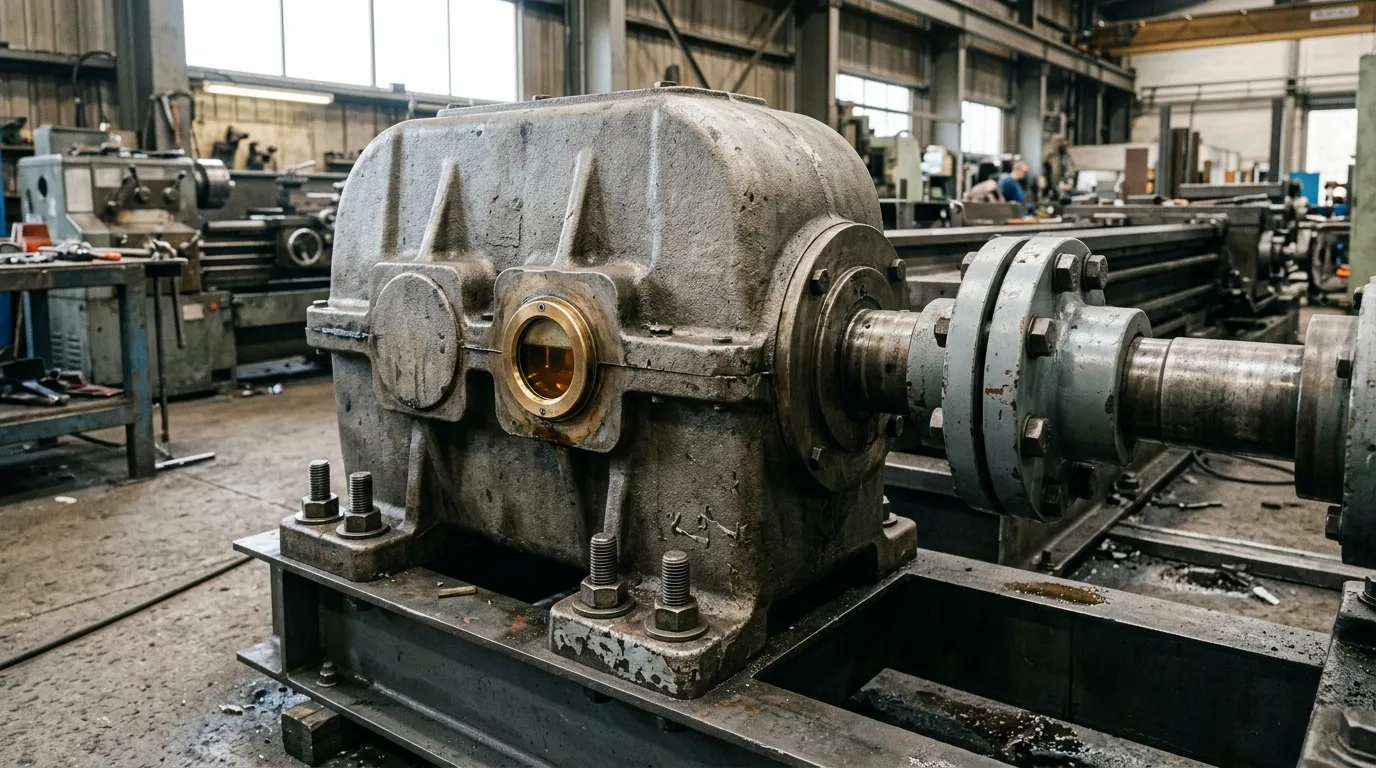
Ambient temperature, dust, moisture and washdown affect sealing, lubrication and cooling, while mounting orientation, shaft arrangement and overhung load determine whether a chosen gearbox can physically carry the driven load.
| Inspection point | Why it matters |
|---|---|
| Ambient temperature and cooling | Efficiency losses become heat in the oil sump; poor cooling shortens lubricant life |
| Dust, moisture and washdown | Drive seal and lubricant selection, and access for inspection |
| Mounting orientation | Determines lubrication position and oil-level validity |
| Shaft arrangement | Parallel or right-angle imposes different layout and load paths |
| Overhung and axial loads | Shaft and bearing capacity must carry the driven element, not just the torque |
| Foundation and alignment | Misalignment and excessive vibration are recurring failure causes |
Superior Gearbox Company lists overloading, inadequate cooling, lubrication problems, misalignment and excessive vibration among the maintenance and failure risks in industrial gearboxes, in a piece published on 6 December 2024. Each of those risks is decided at the selection stage, not after installation.
Application Guide: Conveyors, Mixers, Crushers, Mining and Cement
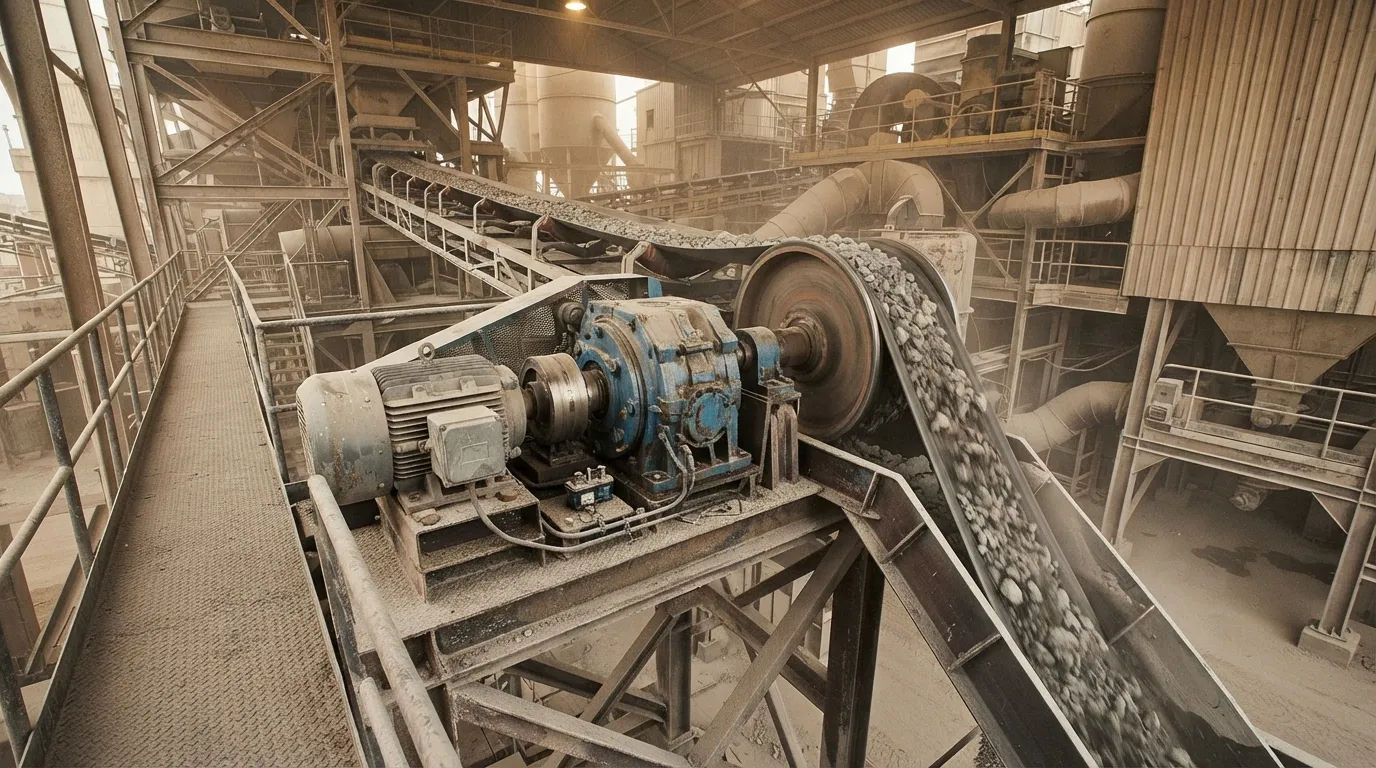
Helical and bevel-helical units cover the greatest share of heavy-duty industrial applications, including conveyors, crushers and mixers, while planetary reducers dominate where the drive must be compact or machine-mounted.
| Application | First choice | Check next |
|---|---|---|
| Conveyors and material handling | Helical / bevel-helical | Shock on start, overhung load |
| Mixers and paddle mixers | Helical / bevel-helical | Thermal load, radial load |
| Crushers and mining | Helical / bevel-helical | Peak torque, service factor |
| Cement and bulk handling | Helical / bevel-helical | Dust, sealing, cooling |
| Compact or mobile drives | Planetary | Peak torque, backlash |
Industrial Gearbox Supply places helical gearboxes with conveyors, crushers and mixers, and planetary gearboxes with heavy machinery and mobile equipment. Santram Engineers makes a similar distinction, noting that helical gears are widely used in material handling, conveyors and heavy-duty machinery.
The application does not decide the type by itself. A conveyor with a soft start and steady load may need nothing unusual, while the same conveyor with a full load restart every few minutes may need a larger frame or a different type — which is why the duty data comes first.
Heavy-Duty Gearbox Selection Checklist
Collect the driver and driven equipment details, required output torque and speed, ratio, duty cycle, shock and reversing behaviour, environment, mounting, shaft and overhung-load data, then confirm thermal capacity and service factor with the manufacturer.
- Identify the driver and the driven equipment.
- Record the required output torque and output speed.
- Determine the reduction ratio.
- Document the duty cycle: hours per day, starts per hour, reversals, load profile.
- Quantify shock, peak and stall loads.
- Record the environment: ambient temperature, dust, moisture, washdown.
- Record mounting orientation, shaft arrangement and overhung or axial loads.
- Apply an application-appropriate service factor.
- Confirm thermal capacity and lubrication method.
- Confirm shaft, flange and mounting dimensions against the machine.
[DIAGRAM: A geared drive train labelled at three points — driver, gearbox, driven machine — showing the data collected at each: motor power and speed; ratio, output torque, service factor, thermal capacity; overhung load, mounting and duty cycle.]
Work through the same sequence and most specification errors disappear before the order is placed. The choosing an industrial gearbox guide covers the full selection process if you need to hand the task to a colleague.
Common Heavy-Duty Gearbox Selection Mistakes
The recurring errors are sizing from motor power instead of required torque, ignoring shock and reversing duty, overlooking thermal capacity, and treating footprint as an afterthought.
| Mistake | Consequence | Correction |
|---|---|---|
| Sizing from motor nameplate power | Undersized gearbox running at or beyond its rating | Size from required output torque at output speed |
| Ignoring shock and reversing duty | Premature gear, bearing or seal failure | Quantify peak torque and apply the service factor |
| Treating service factor as a fixed number | Wrong frame size in both directions | Derive it from duty cycle and load profile |
| Skipping thermal capacity | Overheating, lubricant breakdown | Confirm heat dissipation for the actual duty |
| Leaving footprint to the end | Late redesign or a compromised installation | Confirm the envelope before locking the type |
| Accepting a catalogue unit without dimensional check | Mounting and shaft mismatch on site | Verify shaft, flange and mounting dimensions |
How Mingye's HB Series and Heavy-Duty Planetary Reducers Fit This Decision
Mingye builds heavy-duty helical-bevel industrial gearboxes in its HB series and heavy-duty planetary reducers, both on modular, standardized designs.
Mingye (Shanghai Mingye Machinery Co., Ltd.) is based in Jinshan District, Shanghai, and designs, makes and supplies industrial power-transmission equipment across more than 20 series, including R, S, K and F series helical gear motors, NMRV worm gear motors, cycloidal pinwheel reducers, cylindrical gear reducers and special reducers for rubber and plastic machinery, welding rotators and paddle mixers.
For a heavy-duty drive, two practical points matter. First, Mingye builds both motors and reducers in its own CNC-equipped factory, so the geared unit and the motor can be supplied as one matched assembly. Second, Mingye offers OEM customization of mounting dimensions and transmission ratios, which is useful when the drive envelope is fixed by an existing machine frame.
Mingye normally delivers in 7–15 days and serves OEMs and plant engineers in plastics and rubber, mixing, conveying and material handling, packaging, mining, cement, power and ports.
If you already hold the torque, speed, ratio, duty cycle and mounting details for your application, send them to Mingye for an application review and a sized recommendation for the HB series or a heavy-duty planetary reducer.
Final Decision Summary
Helical or bevel-helical for the broad heavy-duty industrial case; heavy-duty planetary when torque density and footprint decide; in both cases, verify torque, service factor, thermal capacity and mounting before ordering.
- Continuous duty, generous space, or a right-angle drive: helical or bevel-helical.
- High torque in a constrained envelope, in-line shaft: planetary.
- Frequent shock or reversing: either type, decided on peak torque and service factor.
- Very high ratio: multi-stage, with efficiency and heat checked at each stage.
- Harsh environment: confirm sealing, lubrication and cooling before type selection.
- Every case: size on worst-case duty, not on motor nameplate power.
FAQ
What are the four main types of gearboxes?
Helical, bevel, worm and planetary are the four common industrial gearbox families. Helical and bevel designs use angled gear teeth for smooth, efficient transmission; worm designs use a screw-like worm and wheel for high ratios; planetary designs use planet gears around a sun gear for high torque density in a compact frame.
Is a planetary gearbox stronger than a helical gearbox?
Neither is stronger in the abstract. Industrial Gearbox Supply describes planetary units as compact with high torque density because multiple teeth share the load, while helical units spread load smoothly across wider gears. Which one carries more torque in your application depends on the frame size and the service factor applied.
What are the most common heavy-duty gearbox failures?
Overloading, inadequate cooling, lubrication problems, misalignment and excessive vibration are the failure risks Superior Gearbox Company identifies in industrial gearboxes. Each one is usually set at the selection stage: an undersized frame overloads, a neglected thermal check overheats, and a missed alignment or mounting check causes vibration.
How many hours should a heavy-duty gearbox run per day?
There is no universal figure. Malloy Electric lists operating hours, starts per hour, reversals, load profile and annual operating hours as inputs to the selection calculation. Running hours are something you specify to the manufacturer so the service factor and thermal capacity can be confirmed for your duty.
Share on Social:


Contact Us
In This Article
Right Angle Geared Motor: Matching Electrical Supply, Variable Speed and Braking
Oct 26, 2026
Planning a Bevel Reducer Installation: Turn Shaft Requirements Into a Practical Drive Layout
Oct 26, 2026
Choosing an Overhead Crane Gearbox by Its Hoisting or Travel Function
Oct 26, 2026
Replacing an Industrial Worm Gearbox: What to Keep and What to Reassess
Oct 25, 2026