


 Home /
Helical Gearbox vs Worm Gearbox: Which Should You Choose?
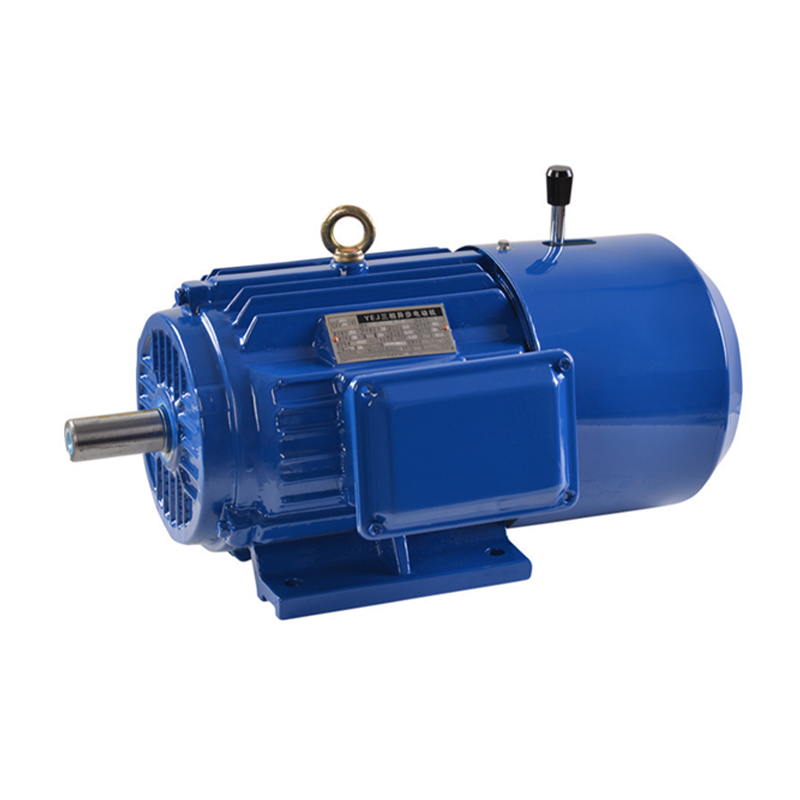
Vertical-Axis Drives After Power Loss: Which Holding and Brake Data Must OEMs Verify?
Oct 14, 2026
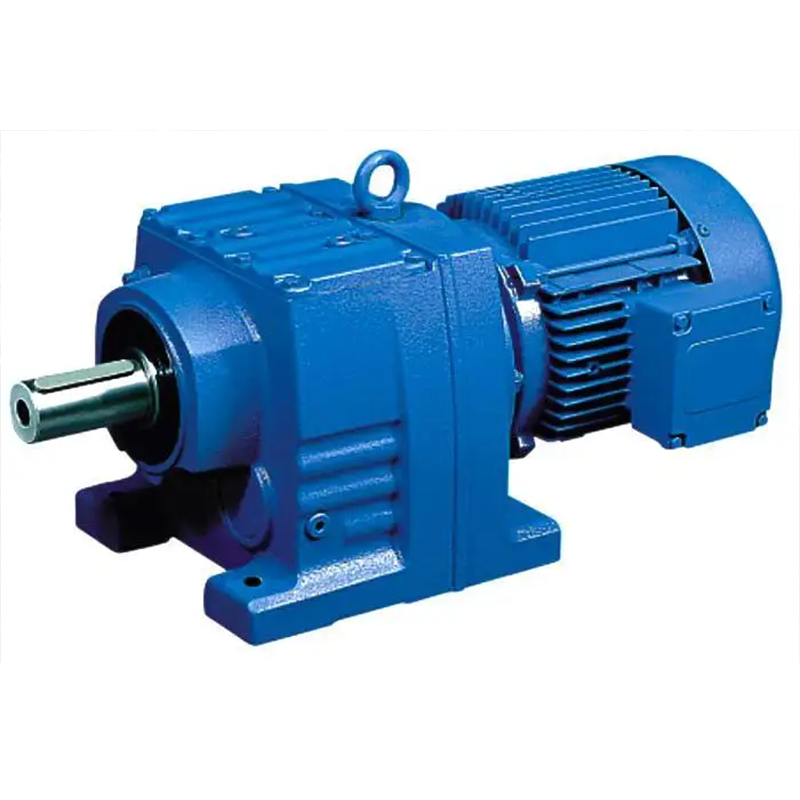
Indexing Packaging Machines: Calculating Acceleration Torque From a Motion Profile
Oct 14, 2026

Changing an NMRV Worm Gearbox Ratio: Can You Keep the Existing Motor?
Oct 14, 2026
How to Check Overhung Load When a Chain Sprocket Is Moved Along a Gearbox Output Shaft
Oct 14, 2026
A helical gearbox is usually the better choice for efficient, continuous-duty operation and higher loads, while a worm gearbox is often preferred for compact right-angle drives and high reduction in a single stage. Choose a helical-worm gearbox when you need a compact right-angle arrangement with a compromise between helical efficiency and worm-style reduction.
Helical gearbox vs worm gearbox: the short answer
Choose a helical gearbox when efficiency, continuous operation, load handling and lifecycle cost are priorities. Choose a worm gearbox when compact right-angle transmission, high reduction and lower initial cost are more important than energy efficiency.
A helical-worm gearbox can be the middle option when the machine needs a compact right-angle arrangement but the designer also wants the characteristics of a helical input stage.
| Priority or application condition | Usually favored | Main reason |
|---|---|---|
| Continuous duty and energy efficiency | Helical gearbox | Generally lower friction losses than worm gearing |
| Compact right-angle output | Worm gearbox | Provides right-angle transmission in a compact package |
| High reduction in a compact arrangement | Worm gearbox | Can provide high reduction in a single stage |
| Higher load or demanding duty | Helical gearbox | Generally better suited to sustained and heavier-duty operation |
| Compact hybrid requirement | Helical-worm gearbox | Combines helical and worm stages |
| Safety-critical load holding | Application-specific brake or holding system | Self-locking must not be assumed |
What is the difference between a helical gearbox and a worm gearbox?
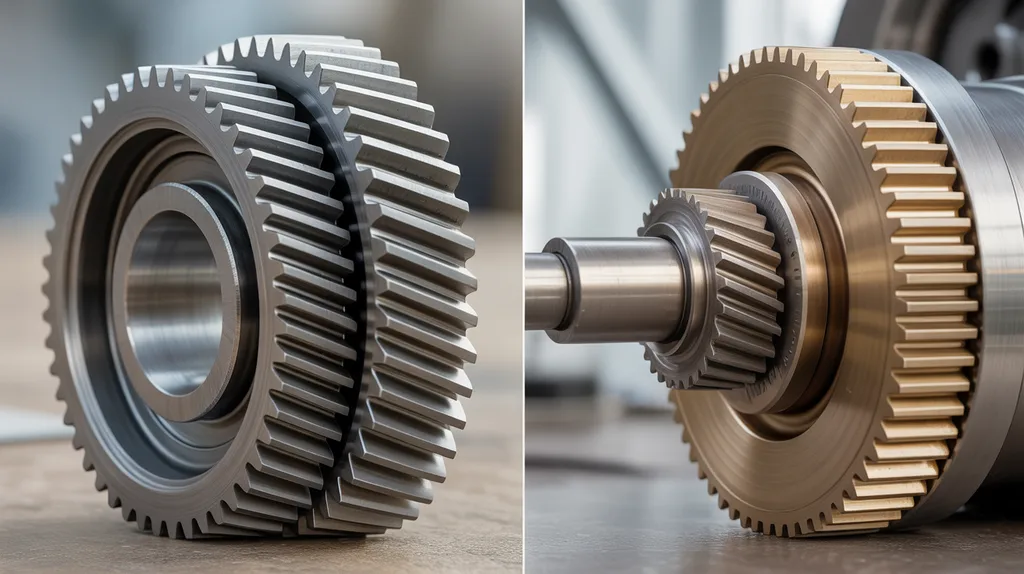
A helical gearbox transmits power through gears with angled teeth that engage progressively across the tooth face. A worm gearbox uses a screw-form worm to drive a toothed worm wheel, normally creating sliding contact between the two elements.
Helical gearing is generally selected for smooth transmission, efficiency and continuous-duty operation. Angled teeth can also create axial thrust, so the bearings, alignment and mounting arrangement must suit the application.
Worm gearing is commonly selected for compact construction, high reduction and right-angle output. The sliding contact that makes the design compact also creates more friction and heat than the contact pattern typically associated with helical gearing.
| Attribute | Helical gearbox | Worm gearbox |
|---|---|---|
| Main gear geometry | Angled helical teeth | Screw-form worm and worm wheel |
| Contact type | Progressive tooth engagement | Sliding contact |
| Typical shaft arrangement | Inline or parallel-shaft configurations, depending on design | Commonly right-angle, non-intersecting shafts |
| Main strengths | Efficiency, smooth transmission and continuous-duty suitability | Compactness, high reduction and right-angle output |
| Main considerations | Axial thrust, alignment and potentially higher manufacturing cost | Heat, friction, wear and conditional backdriving resistance |
For a broader explanation of this product category, see Mingye’s helical geared motor resource.
Which gearbox is more efficient?
A helical gearbox is generally more efficient than a worm gearbox because helical tooth engagement typically creates less sliding friction. A worm gearbox may still be the better engineering choice when compactness, right-angle output or high reduction has greater value than minimizing energy loss.
The efficiency difference becomes more important when a gearbox runs for long hours, carries a sustained load or operates in a system where heat dissipation is limited. In these conditions, frictional losses can affect operating temperature, energy consumption and service requirements.
Actual efficiency depends on the specific gearbox design, reduction ratio, load, speed, lubrication and operating conditions. A comparison should therefore use the manufacturer’s data for the exact model rather than an unsupported universal percentage.
| Factor | Effect on selection |
|---|---|
| Continuous operating hours | Makes energy loss and heat accumulation more important |
| High reduction in limited space | May favor a worm gearbox despite lower efficiency |
| Load and speed | Affect friction, power loss and operating temperature |
| Lubrication and maintenance | Influence friction, wear and heat |
| Energy cost or thermal limits | Increase the value of an efficient gearbox |
How does reduction ratio per stage compare?
A worm gearbox can provide high reduction in a compact single-stage arrangement, while a helical gearbox may use multiple stages to reach a higher total ratio. The correct choice depends on the required input speed, output speed, torque and available space—not on ratio alone.
According to Midwest Power Products, common single-stage worm reductions include examples such as 30:1, 50:1 and 60:1. These are examples stated by that source, not universal limits for every worm gearbox.
The same source describes approximately 8:1 to 160:1 for its helical-bevel examples, with higher total ratios available through multiple stages. Those figures apply to the cited helical-bevel category and should not be treated as a specification for every helical gearbox.
| Ratio-planning requirement | Question to answer |
|---|---|
| Input speed | What speed does the motor provide? |
| Output speed | What speed does the driven machine require? |
| Total reduction ratio | Can the target be reached in one stage? |
| Output torque | Will the selected ratio provide the required torque under load? |
| Package size | Is a compact worm unit preferable to a larger or multi-stage helical arrangement? |
A high ratio can reduce output speed, but it does not by itself confirm that the gearbox is suitable. Output torque, duty cycle, starting load, thermal performance and shaft arrangement must also be checked.
Are worm gearboxes self-locking?
Some worm gearboxes may resist backdriving under particular conditions, but self-locking is not guaranteed. Lead angle, friction, lubrication, load direction and operating conditions all affect whether a worm gearbox will backdrive.
Low lead angles can increase resistance to backdriving, but a worm gearbox should not automatically be treated as a safety brake. Lifting systems, suspended loads and other safety-critical applications may require a correctly specified brake or independent holding system.
Before relying on backdriving resistance, verify:
- The load direction and maximum load.
- The worm geometry and lead angle.
- The lubricant and operating temperature.
- Starting, stopping and reversing conditions.
- Whether an independent brake is required by the machine’s safety design.
Important: “Self-locking” is an application condition, not a universal worm-gearbox specification.
Which gearbox runs cooler, and how does heat affect selection?
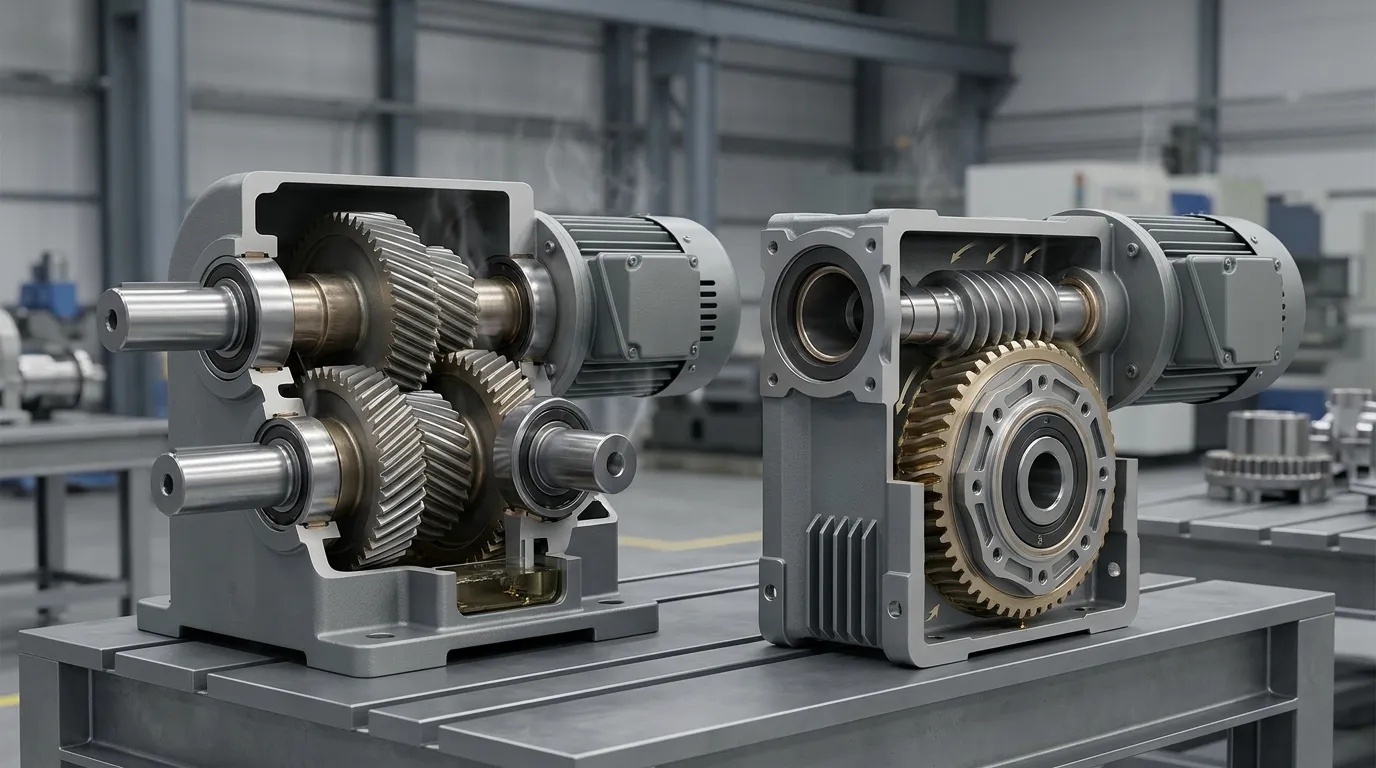
A helical gearbox will generally have an advantage where continuous operation and heat control are important. A worm gearbox requires closer attention to heat because sliding contact increases frictional losses, although actual thermal suitability depends on the complete operating condition.
Heat should be evaluated together with efficiency. A compact worm gearbox may fit the machine better, but its thermal performance still needs to match the load, speed, ratio, lubrication, housing and ambient temperature.
| Thermal question | Why it matters |
|---|---|
| How many hours per day will the gearbox run? | Continuous duty increases the importance of heat accumulation |
| What load and speed will it carry? | Both affect power loss and heat generation |
| Is the housing compact or enclosed? | Limited heat dissipation can affect operating temperature |
| What lubricant and ambient conditions apply? | Lubrication and temperature influence friction and wear |
| Is the duty intermittent or continuous? | Thermal selection changes with duty cycle |
Do not select a worm gearbox only because its housing is compact. Confirm that the exact model can operate within the machine’s thermal requirements.
Which gearbox is quieter?
Helical tooth engagement is generally associated with smooth transmission, while worm gearboxes can also operate quietly at suitable speeds and loads. Gearbox type alone does not determine noise.
Noise depends on gear quality, bearings, lubrication, alignment, mounting stiffness, housing construction, wear, speed and load. A poorly aligned or poorly lubricated helical gearbox can be noisy, just as a correctly installed worm gearbox can provide quiet operation.
| Noise factor | What to check |
|---|---|
| Tooth engagement | Gear geometry and manufacturing quality |
| Bearings and seals | Wear, condition and installation |
| Lubrication | Correct lubricant and level |
| Mounting | Housing stiffness, alignment and foundation |
| Operating condition | Speed, load and duty cycle |
Avoid using a generic “quiet” claim as a substitute for an application-specific noise requirement. If noise is critical, request the relevant data for the selected gearbox and operating condition.
How do shaft layout and footprint differ?
A worm gearbox is commonly selected when the motor and output need a compact right-angle arrangement. A helical gearbox is available in configurations suited to inline, parallel-shaft and other layouts, but the exact footprint and mounting dimensions must match the machine.
Worm gearboxes can simplify the layout when the input and output shafts need to be perpendicular and non-intersecting. Helical gearboxes may be more suitable when the machine prioritizes efficiency or continuous duty and has sufficient space for the required configuration.
| Layout requirement | Initial direction |
|---|---|
| Compact right-angle output | Worm or helical-worm gearbox |
| Inline transmission | Suitable helical configuration |
| Parallel-shaft arrangement | Appropriate helical configuration |
| Restricted mounting envelope | Compare actual dimensional drawings |
| Special mounting dimensions | Confirm requirements with the manufacturer |
Shaft orientation is only one part of the selection. Confirm the mounting position, output shaft dimensions, torque arm or flange arrangement, available clearance and access for maintenance.
For compact right-angle applications, readers can also review Mingye’s worm gear motors.html product-family resource.
Which gearbox handles continuous load and shock better?
A helical gearbox is generally the stronger starting point for continuous-duty and higher-load applications. A worm gearbox may suit compact, lower-demand or intermittent motion where its efficiency and heat trade-offs are acceptable.
Conveyors, mixers, packaging equipment and material-handling systems often operate for extended periods. In these applications, efficiency, thermal behavior, starting load, shock and service factor should be checked together.
| Application condition | Initial preference | Reason to verify |
|---|---|---|
| Long-running conveyor | Helical gearbox | Efficiency, heat and duty cycle |
| Mixer with sustained load | Helical or application-specific heavy-duty design | Starting load, torque and shock |
| Compact right-angle actuator | Worm gearbox | Packaging and reduction ratio |
| Intermittent positioning mechanism | Worm or helical-worm gearbox | Backdriving, duty and required control |
| High-shock material handling | Application-specific helical or heavy-duty design | Peak torque and service factor |
Neither gearbox type should be selected from the nominal output torque alone. Starting frequency, reversing, impact loads, operating hours and the driven machine’s inertia can materially change the required specification.
Which gearbox costs less: helical or worm?
A worm gearbox often has a lower initial cost and compact construction, while a helical gearbox may offer lower operating losses in continuous-duty service. The lower-cost choice depends on purchase price, energy use, maintenance, expected wear and downtime.
Helical gearboxes can involve more complex manufacturing and assembly, which may affect the initial price. Worm gearboxes can be attractive where the machine needs a compact reduction unit and operates intermittently or at a lower energy cost.
For long-running equipment, total cost of ownership may be more important than the initial quotation.
| Cost element | Questions to ask |
|---|---|
| Purchase price | What is the quoted gearbox and motor cost? |
| Energy consumption | Will friction losses matter over the operating hours? |
| Lubrication and wear | What maintenance and replacement needs apply? |
| Downtime | How costly would a thermal interruption or gearbox replacement be? |
| Installation | Are alignment work or mounting changes required? |
| Service life | How will the actual duty and load affect lifecycle value? |
No gearbox should be called the cheaper option without defining the duty cycle and operating period. A lower purchase price may not produce the lowest lifecycle cost in a heavily used machine.
What is a helical-worm gearbox, and when is it the middle option?
A helical-worm gearbox combines a helical input stage with a worm output stage. The arrangement can provide compact right-angle transmission and high reduction while offering a compromise between the characteristics of helical and worm gearing.
The helical input stage can contribute to smoother transmission, while the worm stage provides the compact right-angle arrangement associated with this gearbox family. The actual efficiency, heat performance, ratio, torque and backdriving behavior still depend on the exact model and operating conditions.
| Gearbox design | Best starting point when | Main trade-off |
|---|---|---|
| Helical | Efficiency and continuous duty dominate | The required configuration may need more space or a different shaft layout |
| Worm | Compact right-angle output and high reduction dominate | More friction, heat and potential wear |
| Helical-worm | A compact hybrid arrangement is required | The exact thermal and efficiency performance must still be verified |
Mingye’s s series helical worm gear motor 1.html resource is relevant for readers evaluating this hybrid gearbox arrangement.
A helical-worm gearbox is not automatically the best compromise for every machine. It should be considered when the layout and ratio requirements favor a right-angle design, but the application still benefits from evaluating the helical input stage.
How should you choose between a helical gearbox and a worm gearbox?
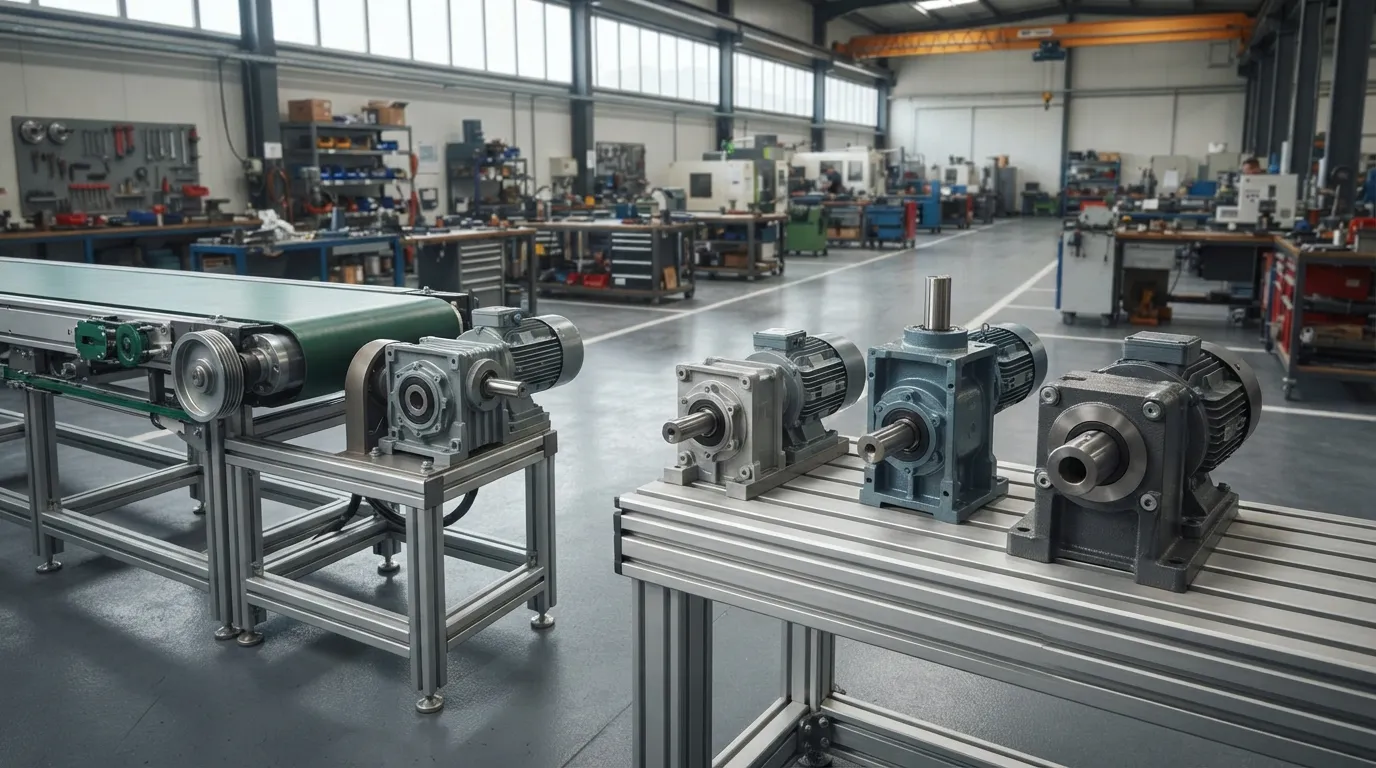
Start with the machine’s output torque and speed, then check the reduction ratio, shaft layout, duty cycle, thermal conditions, backdriving risk, noise expectations and total cost. Select the gearbox type only after the complete operating envelope is defined.
Use this process:
- Define output torque, speed and direction.
Establish the required output conditions at the driven machine, not only the motor’s input rating.
- Calculate the required reduction ratio.
Compare motor speed with required output speed and determine whether one stage or multiple stages are appropriate.
- Identify the duty cycle.
Record operating hours, starts per hour, reversing, intermittent operation, continuous operation and expected shock loads.
- Choose the shaft layout.
Confirm whether the machine requires inline, parallel-shaft or right-angle transmission.
- Evaluate efficiency and heat.
Consider energy loss, ambient temperature, enclosure, lubrication and the ability to dissipate heat.
- Determine the backdriving and braking requirement.
Do not rely on assumed worm-gearbox self-locking for a safety-critical load.
- Compare total cost.
Include purchase price, energy consumption, maintenance, wear, installation and potential downtime.
- Verify the exact model.
Confirm dimensional, ratio, torque, thermal and mounting data with the manufacturer for the actual application.
The practical decision rule
- Choose a helical gearbox when continuous duty, efficiency, load handling and lifecycle cost are dominant.
- Choose a worm gearbox when compact right-angle packaging, high reduction and lower initial cost are dominant.
- Choose a helical-worm gearbox when the machine needs a compact hybrid arrangement and the application accepts its specific thermal and efficiency trade-offs.
- For safety-critical holding, specify the gearbox together with the appropriate brake or independent holding system.
Common selection mistakes to avoid
The most common mistakes are choosing by purchase price alone, assuming every worm gearbox is self-locking, comparing nominal ratios without checking torque and duty, and ignoring heat or mounting constraints.
Avoid these errors:
- Selecting the lowest quoted price without calculating lifecycle cost.
- Treating self-locking as guaranteed for every worm gearbox.
- Choosing a reduction ratio without confirming output torque and speed.
- Ignoring continuous-duty heat generation.
- Assuming gearbox type alone determines noise.
- Overlooking axial thrust in helical gear arrangements.
- Using generic performance figures instead of exact model data.
- Selecting a gearbox before confirming shaft orientation and mounting dimensions.
If the application may require another reducer technology, readers can compare cycloidal vs worm gearbox or review planetary vs helical gearbox before finalizing the design.
Final decision: which gearbox should you choose?
Choose a helical gearbox for efficient, continuous and demanding operation. Choose a worm gearbox for compact right-angle transmission and high reduction when its heat and efficiency trade-offs are acceptable. Choose a helical-worm gearbox when the machine needs a compact hybrid solution.
The final selection should be based on torque, speed, ratio, duty cycle, shaft layout, thermal conditions, backdriving requirements and total cost.
Mingye designs and manufactures industrial power-transmission equipment, including helical gear motors, worm gear motors and helical-worm products. Its modular, standardized designs support OEM customization of mounting dimensions and transmission ratios. Engineers with defined application requirements can discuss a suitable configuration with Mingye; normal delivery is 7–15 days.
Frequently asked questions
What is the main difference between a helical gearbox and a worm gearbox?
A helical gearbox uses angled teeth with progressive engagement and generally suits efficient, continuous-duty transmission. A worm gearbox uses a worm and worm wheel with sliding contact, commonly providing compact right-angle output and high reduction. The better choice depends on duty cycle, heat, ratio, shaft layout, load and total cost.
What are the disadvantages of a worm gearbox?
A worm gearbox can have lower efficiency, greater friction-related heat and more wear than a comparable helical design because the worm and wheel use sliding contact. These trade-offs may be acceptable when compact right-angle packaging, high reduction and lower initial cost are more important than energy efficiency.
Are worm gearboxes always self-locking?
No. A worm gearbox may resist backdriving under particular lead-angle, friction, lubrication, load and operating conditions, but self-locking is not universal. Applications involving lifting or suspended loads should not rely on assumed self-locking; an appropriately specified brake or independent holding system may be required.
What are the disadvantages of helical gearboxes?
Potential disadvantages of helical gearboxes include axial thrust, alignment requirements, more complex assembly and potentially higher manufacturing cost. These trade-offs may be justified when the application needs efficiency, smooth transmission, continuous operation or higher load capability. The exact design and mounting arrangement determine the practical impact.
Share on Social:


Contact Us
In This Article
Vertical-Axis Drives After Power Loss: Which Holding and Brake Data Must OEMs Verify?
Oct 14, 2026
Indexing Packaging Machines: Calculating Acceleration Torque From a Motion Profile
Oct 14, 2026
Changing an NMRV Worm Gearbox Ratio: Can You Keep the Existing Motor?
Oct 14, 2026
How to Check Overhung Load When a Chain Sprocket Is Moved Along a Gearbox Output Shaft
Oct 14, 2026