


 Home /
Gear Motor vs Electric Motor: Key Differences Explained
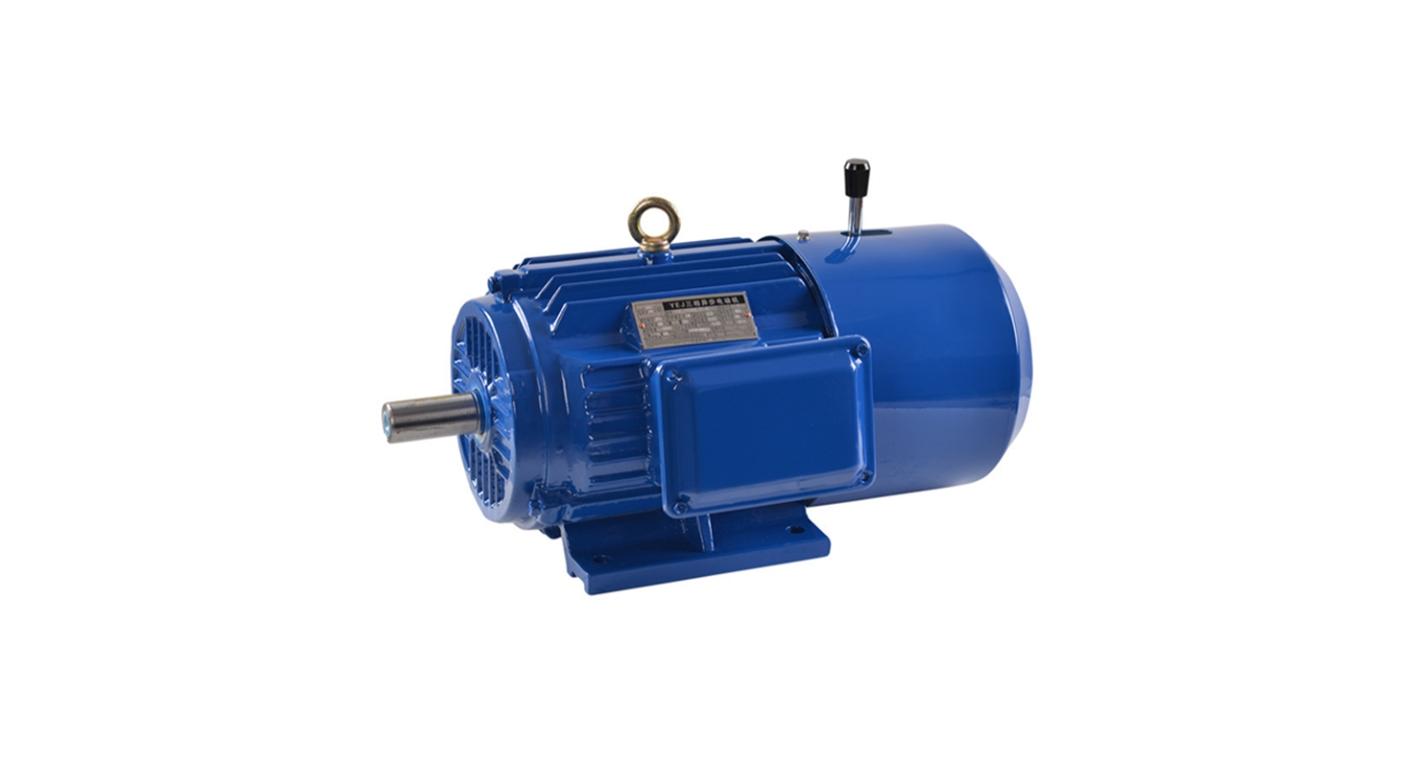
Right Angle Geared Motor: Matching Electrical Supply, Variable Speed and Braking
Oct 26, 2026
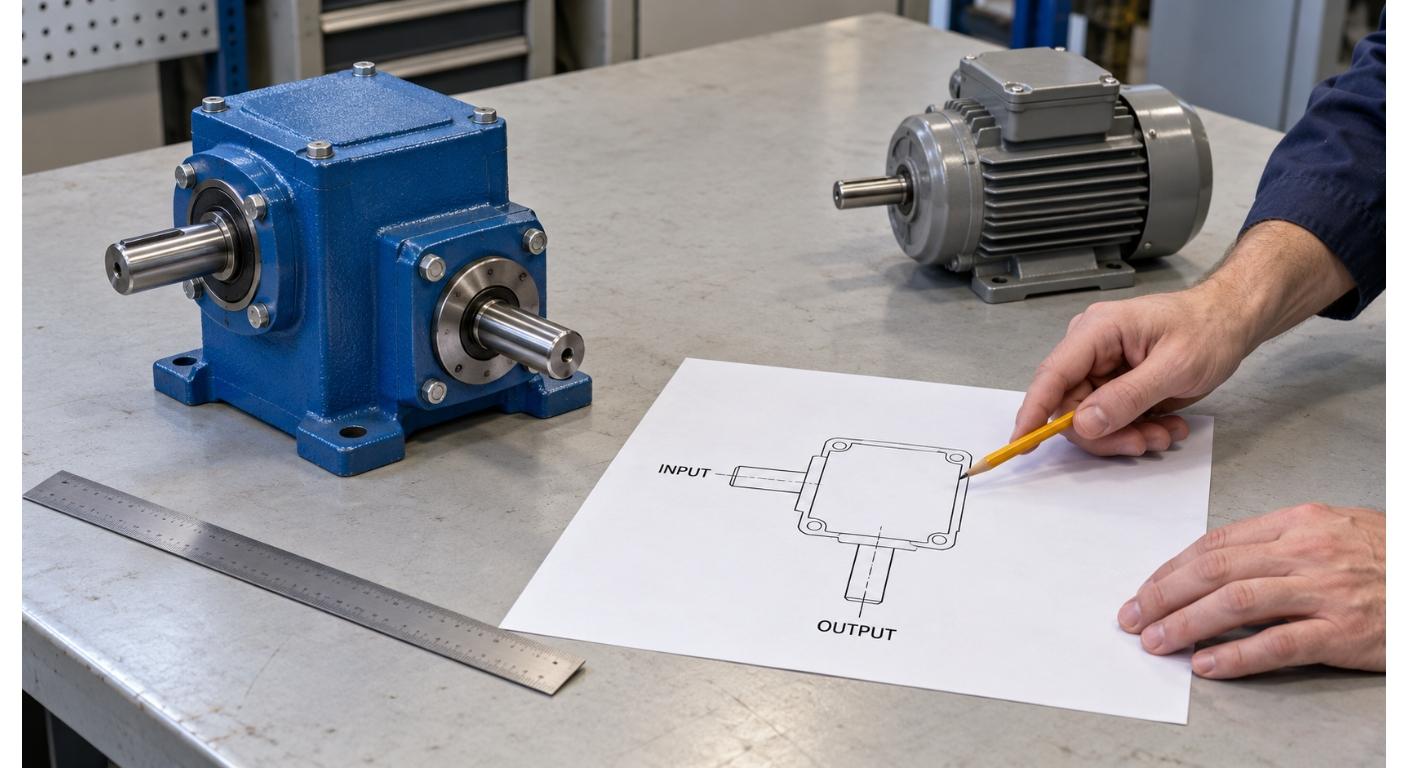
Planning a Bevel Reducer Installation: Turn Shaft Requirements Into a Practical Drive Layout
Oct 26, 2026
Choosing an Overhead Crane Gearbox by Its Hoisting or Travel Function
Oct 26, 2026
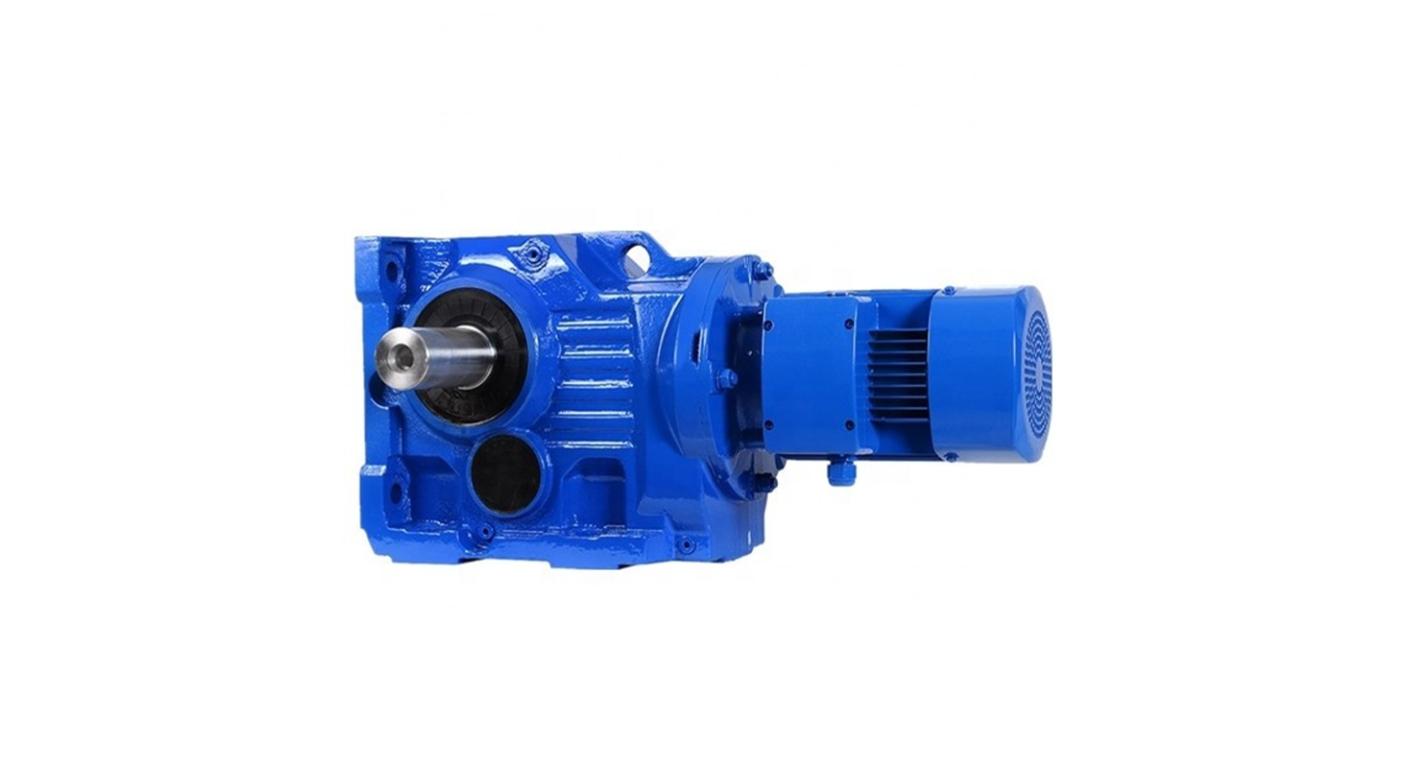
Replacing an Industrial Worm Gearbox: What to Keep and What to Reassess
Oct 25, 2026
A gear motor is an electric motor with an integrated gearbox that trades output speed for torque, while a plain electric motor delivers speed alone at its rated RPM. The gearbox multiplies torque by the gear ratio while reducing shaft speed, making gear motors the right choice for applications that need high force at low speed — conveyors, mixers, and heavy machinery — whereas a plain motor suits direct-drive applications like fans and pumps.
Key Takeaways
- A gear motor combines an electric motor with an integrated gearbox; a plain electric motor is a standalone unit with no speed reduction.
- Gearboxes trade speed for torque: output torque ≈ input torque × gear ratio, minus efficiency losses.
- Helical and planetary gearboxes achieve 90–98% efficiency per stage, while worm gearboxes can fall to 50–70% in certain configurations.
- Gear motors cost more upfront but can reduce total system cost by eliminating separate reducers, couplings, and alignment work.
- A plain motor plus separate reducer may be the better choice when you need multiple ratios from one motor frame, easier maintenance, or modular replacement.
What Is a Gear Motor?
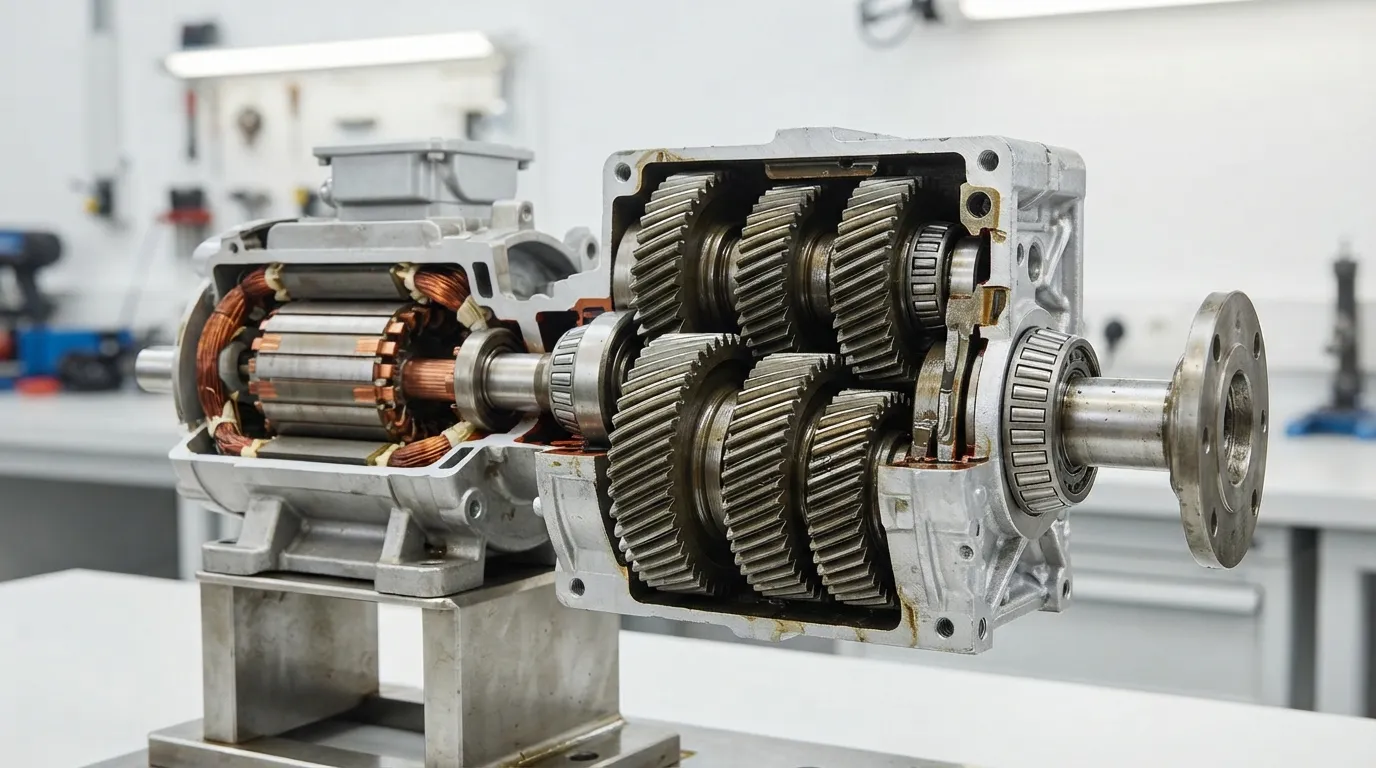
A gear motor is an electric motor with a gearbox — also called a gear reducer or gearhead — integrated into the same unit. The gearbox reduces the motor's output speed and multiplies its torque, allowing a relatively small motor to drive heavy loads.
According to Orbray's technical magazine, "an electric motor and gearhead combination is called a geared motor. A gearhead usually aims to boost the motor's output torque and restrict the rotational speed of the motor's shaft."
Gear motors come in two basic configurations. As the MRO Supply training manual explains, "gearmotors may be either integral, meaning the gear reducer and motor share a common shaft, or they may be created from a separate gear reducer and motor."
The gearbox type significantly affects performance. Common configurations include helical, worm, planetary, and cycloidal designs, each with different efficiency, noise, and precision characteristics. Helical gear motors are among the most widely used for industrial applications due to their smooth operation and high efficiency. For a detailed look at this configuration, see our helical geared motor page.
If you are deciding between a gear motor and a gearbox as separate components, our comparison of gear motor vs gearbox explains the trade-offs in more detail.
What Is an Electric Motor (Plain Motor)?
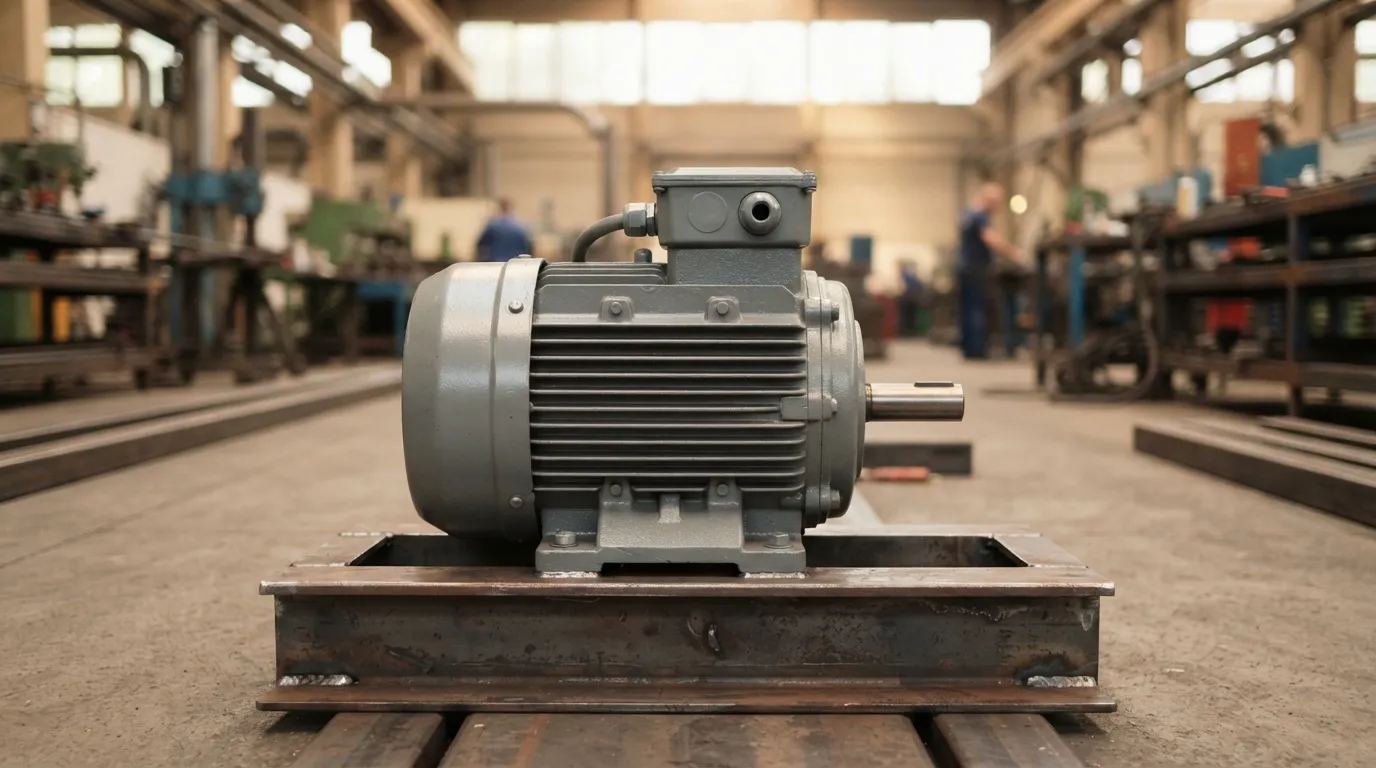
A plain electric motor — also called a normal motor or direct-drive motor — is a standalone unit whose output shaft rotates at the motor's rated speed. A typical four-pole AC induction motor runs at approximately 1400–1450 RPM, while a two-pole version runs at roughly 2800–2900 RPM.
As Zhongda Leader explains, "a normal motor is a standalone unit, often referred to as a 'direct drive motor' because its output shaft speed is the same as the motor's internal rotating speed, without any mechanical speed reduction component."
The same source summarizes the core distinction: "a normal motor is built for velocity (speed), while a gear motor is built for force (torque)."
Plain motors are simpler, more efficient in isolation, and cheaper upfront. However, they deliver only the torque their electromagnetic design naturally produces — which is often insufficient for applications requiring high force at low speed.
How Does a Gearbox Change Speed and Torque?
A gearbox uses meshing gears of different sizes to change the relationship between speed and torque. When a small gear drives a larger gear, the output speed decreases by the gear ratio while the output torque increases by approximately the same factor, minus friction losses.
"The gears inside a geared motor work by reducing the speed of the motor's rotation, thereby multiplying the torque," notes Huameng Motor.
- Output speed: 1400 ÷ 10 = approximately 140 RPM
- Output torque: Motor torque × 10, minus gearbox efficiency losses
So if the motor produces 10 Nm of torque at the shaft, the gear motor output would be roughly 90–98 Nm with a high-efficiency helical or planetary gearbox — nearly ten times the force at one-tenth the speed.
Efficiency losses matter. According to ERC140, "helical and planetary gearboxes typically achieve 90–98% efficiency per stage, whereas worm gearboxes may fall to 50–70% in certain configurations." A worm gearbox at 60% efficiency would reduce the theoretical 100 Nm output to about 60 Nm.
Gear Motor vs Electric Motor: Key Differences
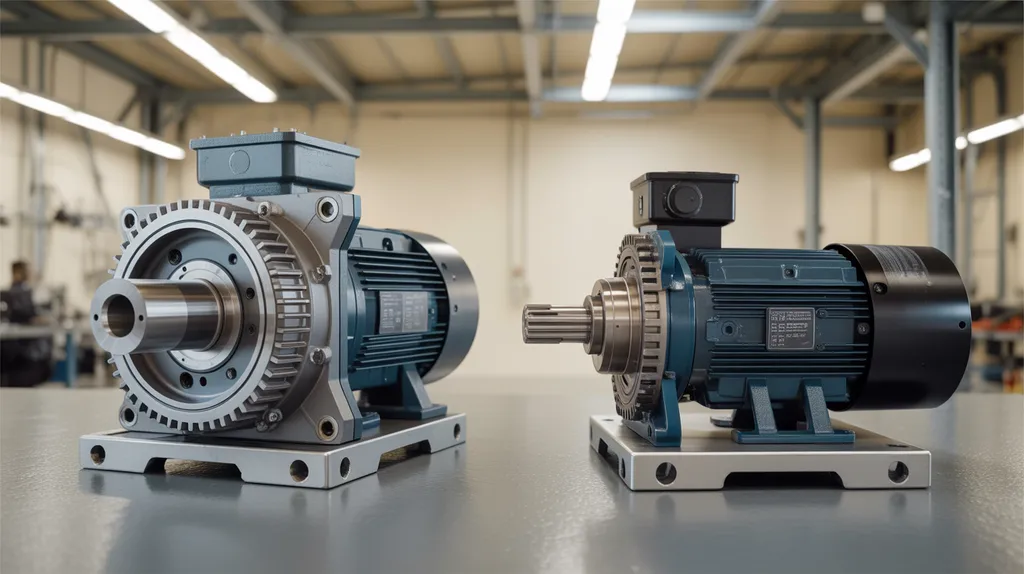
The table below summarizes the key differences between gear motors and plain electric motors across the attributes that matter most in industrial applications.
| Attribute | Gear Motor | Plain Electric Motor |
|---|---|---|
| Output speed | Reduced by gear ratio (e.g., ~140 RPM from 1400 RPM) | Full rated speed (e.g., 1400 or 2800 RPM) |
| Output torque | Multiplied by gear ratio, minus efficiency losses | Limited to motor's natural electromagnetic torque |
| Efficiency | 90–98% per stage (helical/planetary); 50–70% (worm) | Higher — no gear friction losses |
| Size / footprint | Compact — motor and gearbox in one unit | Larger complete system if a separate reducer is needed |
| Cost | Higher upfront; potentially lower total system cost | Lower upfront; may require external reducer, coupling, and alignment |
| Maintenance | Gear lubrication, seal inspection, wear monitoring | Simpler — bearings, windings, and cooling only |
| Complexity | More components (gears, seals, lubrication system) | Simpler construction, fewer failure points |
| Best for | Conveyors, mixers, hoists, heavy machinery | Fans, pumps, direct-drive applications |
The most important takeaway is the speed-torque trade-off. A gear motor gives you force at the expense of speed; a plain motor gives you speed without force multiplication.
When Should You Choose a Gear Motor?
Choose a gear motor when your application needs high torque at low speed, compact installation, or simpler system integration. Gear motors excel in applications where loads must start moving from a standstill or where heavy objects must be moved steadily.
Typical gear motor applications include:
- Conveyor systems and material handling lines
- Mixers and agitators for chemical and food processing
- Packaging machinery with indexing or intermittent motion
- Hoists and lifting equipment
- Indexing tables and rotary positioning systems
- Heavy machinery in mining, cement, and power plants
As Zhongda Leader puts it, gear motors are "built for force." The gearbox allows a relatively small motor to handle loads that would stall a direct-drive motor of the same power rating.
Within gear motors, the choice between AC and DC power adds another layer of complexity. Our guide to ac vs dc gear motor explains the key differences to help you narrow down the right configuration.
When Is a Plain Motor Plus Separate Reducer the Better Choice?
A plain motor with a separate gear reducer is sometimes the better engineering decision, even though an integrated gear motor seems simpler. The key is understanding when separation helps rather than hinders.
Consider a separate motor and reducer when:
- You need multiple ratios from one motor frame. A single motor can drive different reducers with different ratios, giving you flexibility without buying a new motor each time.
- Maintenance access matters. A separate motor can be removed for service or replacement without disturbing the gearbox installation.
- Modular replacement is a priority. If either component fails, you replace only the failed unit rather than the entire gear motor assembly.
- Space permits separate components. If floor space is not constrained, a motor mounted beside or above a reducer may fit your layout better.
- Your existing system already uses separate reducers. Standardizing on one architecture across the plant can simplify spare parts inventory.
As MRO Supply notes, gear motors "may be created from a separate gear reducer and motor" — meaning the two configurations are not mutually exclusive. The decision often comes down to system-level priorities like maintenance strategy and parts standardization.
Gear Motor Efficiency: What You Need to Know
Gear friction causes energy losses, making gear motors less efficient than plain motors in isolation. However, the magnitude of that loss depends heavily on the gearbox type.
According to ERC140, helical and planetary gearboxes typically achieve 90–98% efficiency per stage, while worm gearboxes can drop to 50–70% in certain configurations. Huameng Motor similarly notes that "geared motors can be less efficient when compared to electric gear motors, as the gears tend to generate friction and energy losses."
The efficiency comparison is not simply "gear motors are less efficient." Consider the system-level view:
- A plain motor driving a load through a separate reducer faces the same gear losses — the gears do not become more efficient when mounted separately.
- A gear motor eliminates the coupling and alignment losses between a motor and a standalone reducer.
- An oversize plain motor running at partial load to compensate for lack of torque can be far less efficient than a properly sized gear motor.
The motor portion of any system also carries its own efficiency rating. IEC 60034 standards define efficiency classes from IE1 to IE4, with higher classes indicating lower energy losses. When comparing gear motors to plain motors, evaluate the complete system efficiency — motor plus gearbox — rather than the gearbox alone.
How to Choose Between a Gear Motor and an Electric Motor
Choosing between a gear motor and a plain electric motor comes down to your application's speed and torque requirements. The decision is not about which is "better" — it is about which configuration matches your mechanical demands.
Follow these steps to make the right selection:
- Define your output speed and torque requirements. What speed does the driven equipment need? What force must the shaft deliver? These two values drive everything else.
- Calculate the gear ratio needed. Divide the motor's rated speed by the required output speed. A 1400 RPM motor driving a 140 RPM load needs a 10:1 ratio.
- Check the duty cycle and ambient conditions. Continuous operation, frequent starts, high ambient temperatures, and washdown environments all affect motor and gearbox selection. Standard motors are rated for 40°C ambient; higher temperatures demand special windings or cooling methods.
- Compare footprints and mounting options. An integrated gear motor saves space and simplifies mounting. A separate motor and reducer take up more room but offer layout flexibility. For a broader sizing perspective, see our guide on what size electric motor you need.
- Evaluate total system cost. Gear motors cost more upfront than plain motors, but they eliminate the coupling, baseplate, and alignment work required for a separate reducer. Compare the installed cost, not just the purchase price.
- Verify environmental protection. Outdoor or washdown environments typically require IP65 or IP66-rated units. Confirm the rating matches your plant conditions before ordering.
- Confirm the service factor. Select a unit with an adequate service factor — typically 1.5 to 2.0 — to accommodate transient loads and prevent premature wear.
For a deeper look at motor selection, see our complete guide on choosing an industrial electric motor. OEMs evaluating suppliers should also review our gear reduction motor buying guide for oems for procurement-specific considerations.
FAQ
Is a gear motor and an electric motor the same thing?
No. A gear motor is an electric motor with an integrated gearbox that reduces speed and multiplies torque. A plain electric motor, also called a direct-drive motor, delivers full rated speed without any mechanical speed reduction.
What are the disadvantages of gear motors?
Gear motors face efficiency losses from gear friction — worm types can drop to 50–70% efficiency per stage. They also require gearbox lubrication and seal maintenance, cost more upfront, and can generate more noise than direct-drive motors.
Why is a gearbox needed on a motor?
A gearbox reduces output speed and multiplies torque, letting a small motor drive heavy loads that would otherwise stall a direct-drive motor of the same power. It matches motor output to the application's actual speed and force requirements.
Are gear motors more expensive than electric motors?
Yes, gear motors cost more upfront due to the added gearbox components. However, they can reduce total system cost by eliminating the need for a separate reducer, coupling, and alignment work.
Share on Social:


Contact Us
In This Article
Right Angle Geared Motor: Matching Electrical Supply, Variable Speed and Braking
Oct 26, 2026
Planning a Bevel Reducer Installation: Turn Shaft Requirements Into a Practical Drive Layout
Oct 26, 2026
Choosing an Overhead Crane Gearbox by Its Hoisting or Travel Function
Oct 26, 2026
Replacing an Industrial Worm Gearbox: What to Keep and What to Reassess
Oct 25, 2026