


 Home /
 Welding Turning Rolls With Smart Braking Systems For Safer Heavy Load Handling
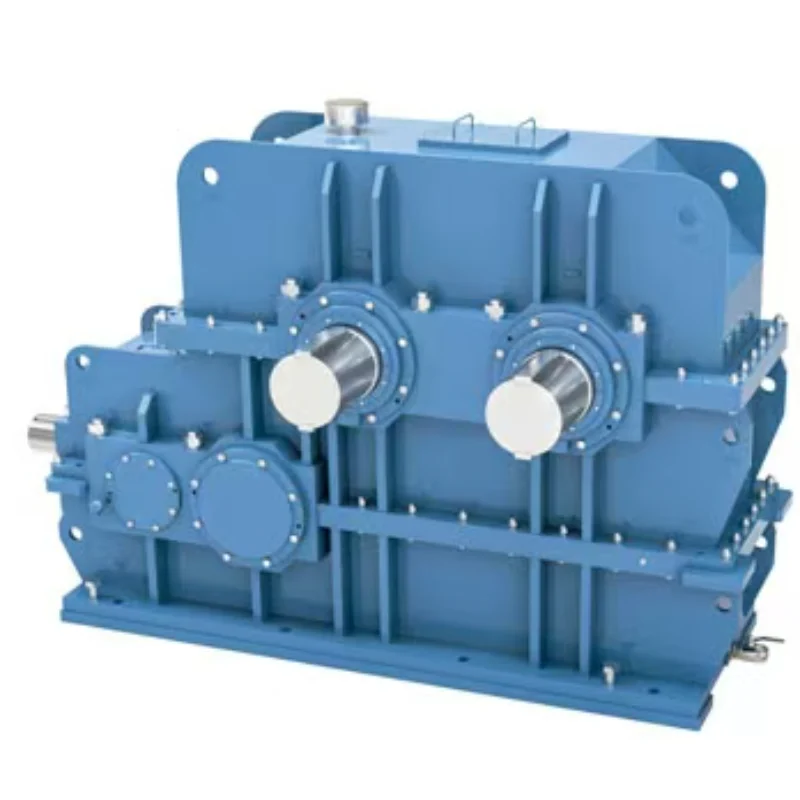
Rubber Internal Mixer Gearbox: Read the Batch Load Profile, Not Just Motor kW
Oct 22, 2026
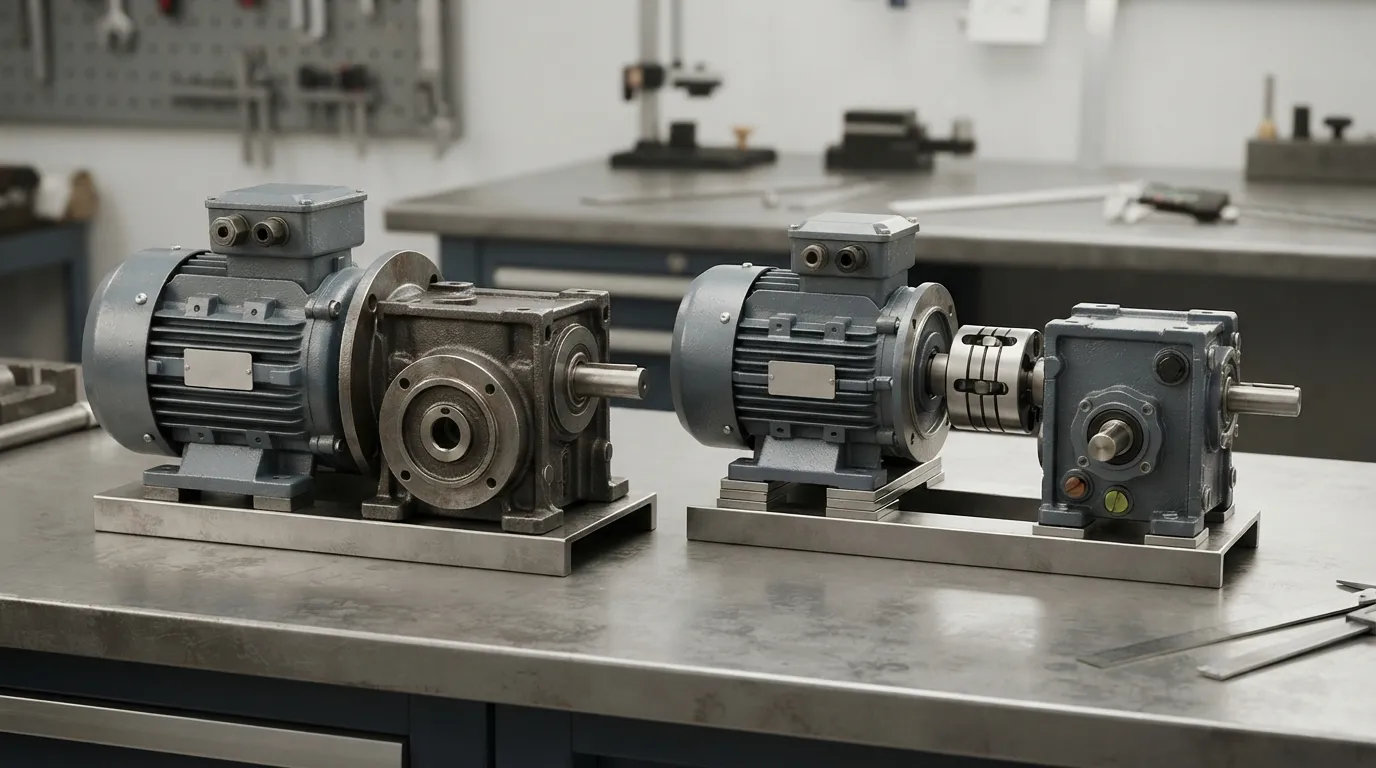
Hot Industrial Gearbox Coupling After Cold Alignment: What to Check
Oct 22, 2026
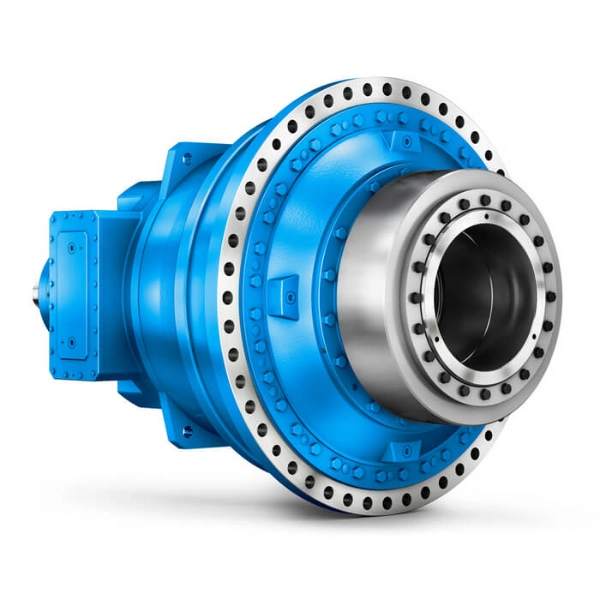
Hydraulic Slewing Drive Won't Rotate: Separate Motor, Brake and Gearbox Faults
Oct 22, 2026
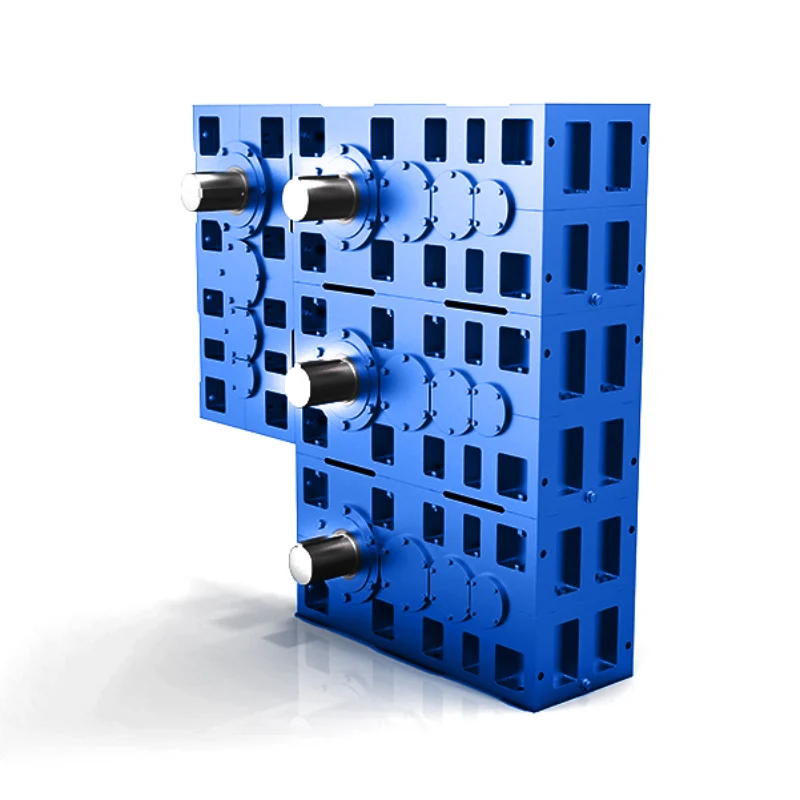
Calender Roll Gap Changes: What Must the Drive Coupling Accommodate?
Oct 22, 2026
Welding Turning Rolls are essential for a welding workshop. They hold large cylindrical workpieces for welding. They provide controlled rotation so that weld seams are uniform. One challenge that becomes difficult to overcome the greater the load weight of the vessel and the rate of production is stopping them safely.
Torque loss due to power loss, load shifting, or operator error can turn made rotation hazardous. This is why smart braking systems are now integrated into welding turning rolls. These systems are not about luxury features. They are about predictable stopping behavior, load retention, and personnel protection.
At Mingye, we design our Welding Turning Rolls with braking logic that responds to real workshop conditions. Below is how smart braking improves safety without compromising daily productivity.
Why Standard Braking Falls Short On Heavy Loads
Standard motor brakes on conventional Welding Turning Rolls often rely on simple power-cut stopping. This works for light loads. Heavy vessels—especially ones with a weight of greater than 50 tons—have some of the following issues when sudden braking is applied:
•Load inertia negates brake torque leading to the workpiece continuing to rotate.
•Shock loads caused by abrupt stops lead to drive components and gear teeth wearing.
•The ability of operators to fine-position the weld joint is lost after the system is stopped.
Smart braking solves each of these challenges by controlling the deceleration rate and managing the load, unlike traditional systems where power is simply cut to the drive.
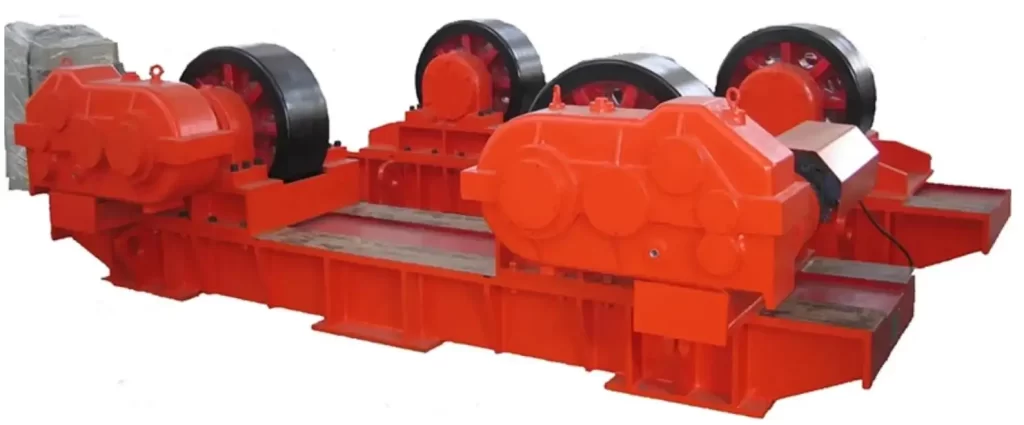
How Intelligent Braking Systems Work on Welding Turning Rolls
The merging of sensing and controlling logic with mechanical braking units is the latest development for a smart braking system on Welding Turning Rolls. The control sequence is as follows:
•Load detection: Sensors evaluate the workpiece load in addition to the rotational speed.
•Deceleration ramp: The system implements a gradual decrease in speed of the turn.
•Torque distribution: The braking force is applied to both the drive and idler units in equal measure to alleviate twisting.
•Position Hold: The brake applies a holding position so that the workpiece is maintained in the stopped position, even with the loss of pressure in the hydraulic or pneumatic system.
This sequence leads to no jerky movements. Operators are also able to stop in the middle of a seam without losing position relative to the welding head.
The Safety Benefits From Workshop Operations
There are noticeable improvements to safety with the addition of smart braking to Welding Turning Rolls. These improvements are applicable for both new systems and retrofitting older units.
•Less Likelihood of Load Shifting
Rapid braking may result in the workpiece shifting or slipping from the rotator wheels. In this case, "smart" braking can take the place of slow braking procedures, which keep the vessel's stability during the gradual stop of the vessel.
•Protection For Gearbox Components:
Impact loads from abrupt stops will ultimately lead to damaged gear teeth or failed bearings. B. A. H. C. brakes reduce the mechanical stress on the gearbox, when braking is done at low demand.
•Safer Operator Interaction:
Workshops often manual tack weld or inspect the piece while the rotator is stopped. Load doesn't creep or restart unexpectedly due to smart braking.
•Controlled Emergency Stop:
Controlled braking is safer than instant lockout, especially to prevent debris or loads from unexpectedly being tipped.
Mingye's Approach to Braking Integration
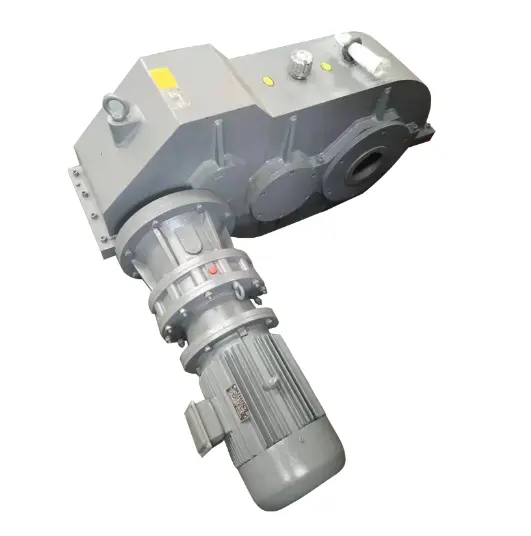
Mingye applies the same design principles listed below when building Rotator Gearbox units for heavy fabrication environments. Our gearbox-driven rotators use the following design principles:
•Fail-safe brake engagement: Brakes engage automatically when power is lost or when the emergency circuit activates. No human help needed.
•Custom deceleration settings: Advance/stop speed is set depending on workpiece weight and shop conditions.
•Low wear units: Friction components are sealed away from welding area dust, grease, and shavings.
•VFD compatible: Variable frequency drives allow acceleration, turning and smart braking from the same control unit.
These features are standard in our JA/JB/JC series gearboxes, which are specifically developed for welding rotator applications rather than adapted from general industrial reducers.
What Buyers Should Look for in Braking Systems
If you are specifying Welding Turning Rolls for a new line or upgrading existing units, consider the following braking features:
•Torque rating at standstill: Brake should hold rated load indefinitely on an incline or during welding vibration.
•Thermal capacity: A heavy load that must be stopped repeatedly generates heat. Choose brakes rated for actual duty cycles.
•Position feedback: Control system receives brake engaged/disengaged feedback from an encoder or a limit switch.
•Release override: Option to unlock the manual release for maintenance or in case the load must be lowered quickly.
This brake specification gives you braking reliability without the need for constant adjustment with no surprise failures.
The Bottom Line: Safety vs. Productivity
Smart braking systems installed on Welding Turning Rolls guarantee that production is not hindered. Stopping the welders becomes a predictable controlled process instead of a sudden (and potentially dangerous) one. Operators are encouraged to work at a reasonable speed knowing that the rotator will stop at the expected time and manner.
For workshop owners, the return on investment comes from fewer accidents, lower gearbox repair costs, and smoother shift handovers. Braking is not the most visible feature on a rotator. But when a heavy vessel is rotating near a welding station, it might be the most important one.
Mingye offers Welding Turning Rolls with smart braking and gearbox designs built for heavy-duty cycles. Whether you are replacing a worn unit or equipping a new fabrication line, our systems are ready for discussion based on your load range, vessel diameter, and site conditions.
Share on Social:


Contact Us
In This Article
Rubber Internal Mixer Gearbox: Read the Batch Load Profile, Not Just Motor kW
Oct 22, 2026
Hot Industrial Gearbox Coupling After Cold Alignment: What to Check
Oct 22, 2026
Hydraulic Slewing Drive Won't Rotate: Separate Motor, Brake and Gearbox Faults
Oct 22, 2026
Calender Roll Gap Changes: What Must the Drive Coupling Accommodate?
Oct 22, 2026