


 Home /
 Twin Shaft Mixer:4-Stage Hardening That Survives 2026 Workloads
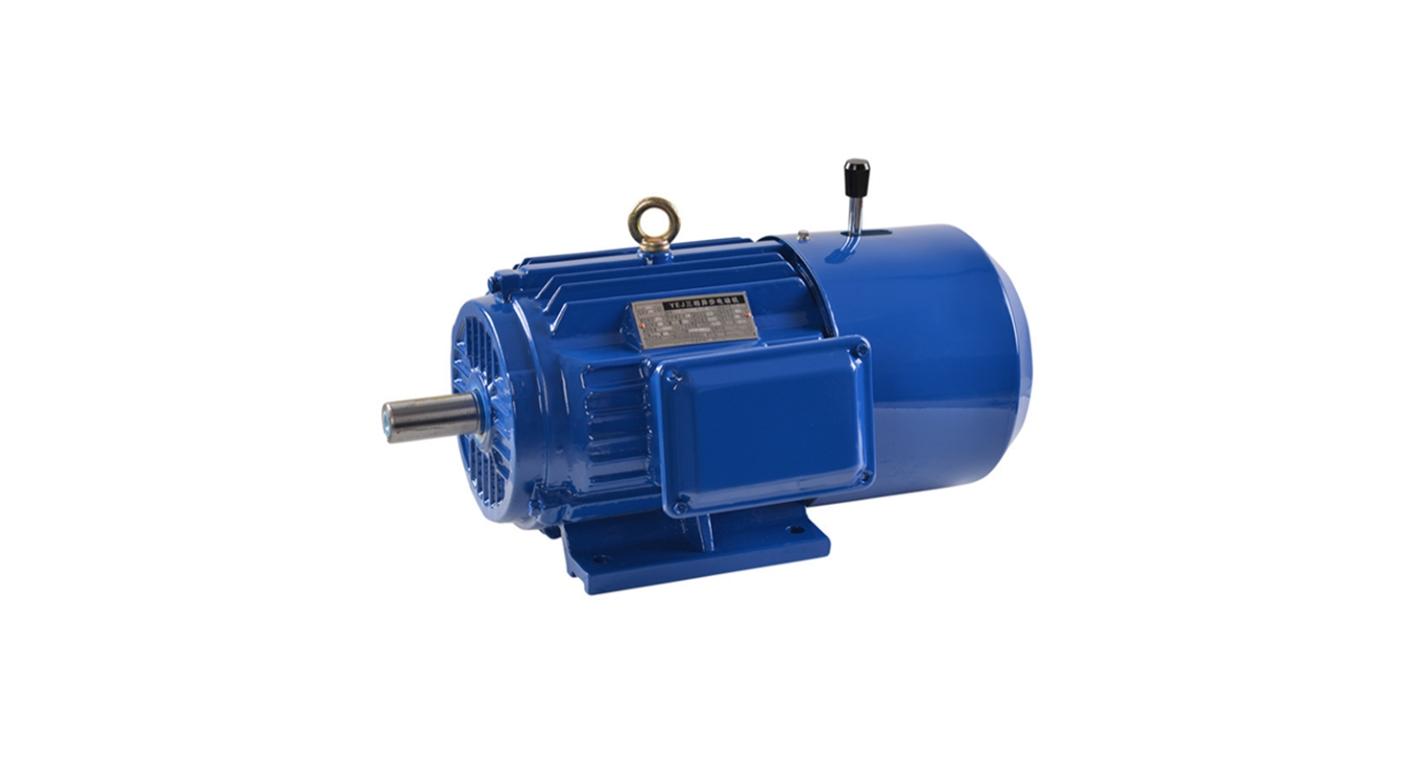
Right Angle Geared Motor: Matching Electrical Supply, Variable Speed and Braking
Oct 26, 2026
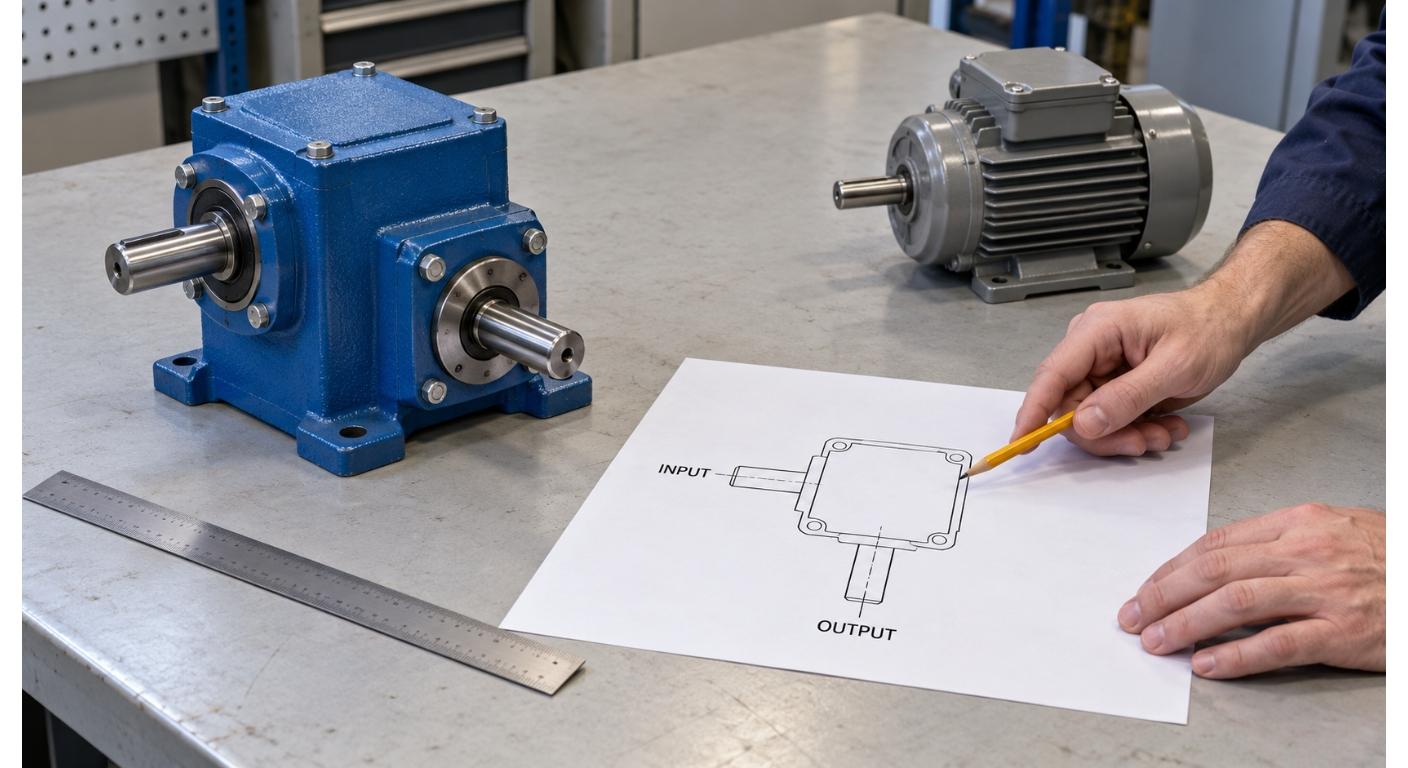
Planning a Bevel Reducer Installation: Turn Shaft Requirements Into a Practical Drive Layout
Oct 26, 2026
Choosing an Overhead Crane Gearbox by Its Hoisting or Travel Function
Oct 26, 2026
Replacing an Industrial Worm Gearbox: What to Keep and What to Reassess
Oct 25, 2026
A Twin Shaft Mixer operates under continuous mechanical stress. Between the material resistance, the start-stop cycles, and the torque demands of high-viscosity batches, the gearbox takes the hardest hit. For 2026 production schedules—where uptime is measured in hours and downtime costs escalate quickly—the durability of that gearbox determines whether a mixing line runs profitably or becomes a maintenance bottleneck.
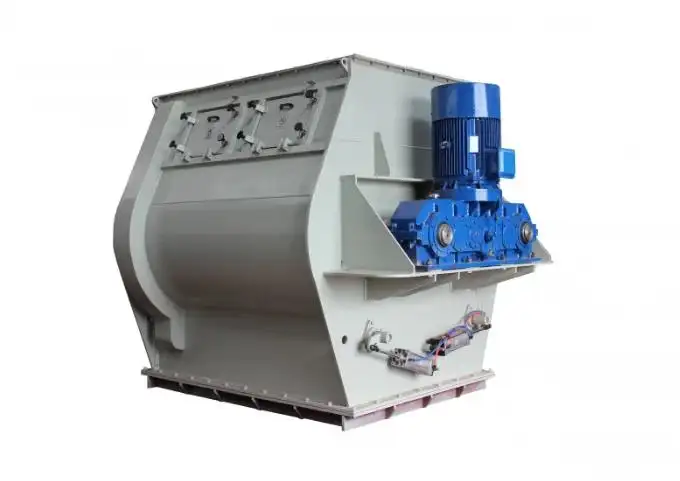
Mingye addresses this reality with a Twin Shaft Mixer gearbox built around four-stage hardening. Not as a marketing claim, but as a measurable specification that affects gear life, replacement frequency, and long-term operating cost.
What Four-Stage Hardening Actually Means
Gear hardening is not a single process. The term "hardened" is often used loosely, but in the context of a Twin Shaft Mixer reducer, the difference lies in the depth and consistency of the case hardening. Mingye applies a carburizing and quenching process to low-carbon alloy steel gears. This results in:
•Surface hardness: 58–62 HRC, which resists pitting and wear under high-load mixing
•Core toughness: Retained ductility to absorb shock loads without cracking
•Accuracy level: Grade 6 gear precision, which reduces vibration and meshing noise
A four-stage gear train means the input speed is reduced progressively across four engagements. Each stage distributes the load. When every gear in that train meets the same hardening standard, the Twin Shaft Mixer maintains consistent output torque without developing weak links in the drivetrain.
Why 2026 Workloads Demand More
Production environments in 2026 are pushing mixing equipment harder than before. Longer continuous runs. Higher solid content in slurries. More abrasive materials in dry mortar and battery powder blending. A standard gearbox with shallow case hardening will show wear within months under these conditions.
Signs of failure include the following:
•Increased backlash between shafts: Results in nonsynchronous movement of the paddles and non-uniform mixing
•Gear tooth surface spalling: Lubricant becomes contaminated, which leads to accelerated bearing failure
•Progressive loss of efficiency: Motor consumes more electricity to produce the same output torque
The design of a Twin Shaft Mixer with a 4 stage hardened gearbox significantly slows down these failure modes. This is a result of the increased surface hardness of 58-62 HRC, in comparison to the industry average of 35-45 HRC, which is a result of through-hardened processes. This has a direct impact on the lifespan of the product and can be expected to increase the lifespan of its gearboxes by more than 2x to 3x.
Design Features of Synchronized Shaft Operation
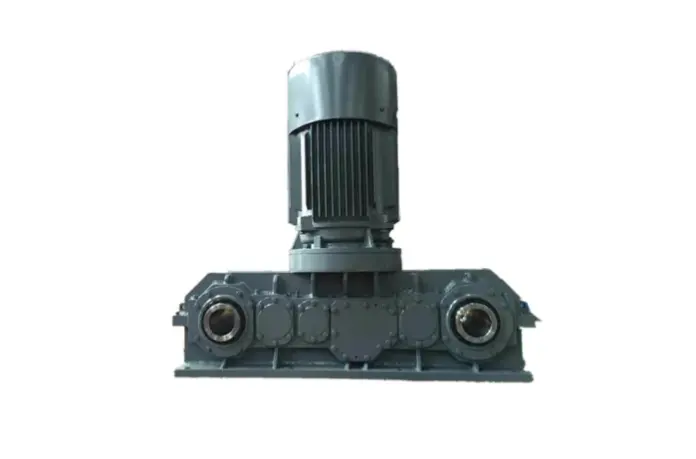
Superior performance is a result of both hardening and the layout of the gear trains. Mingye’s Twin Shaft Mixer has a twin hollow shaft output. This design:
•Distributes mixing shaft power evenly
•Removes the requirement for transfer cases or additional couplings
•Keeps the same rotational synchronization regardless of load changes
•Requires less installation space in comparison to side-mounted drives
Each paddle receives the same rotational torque through a hardened gear train, and as a result the paddles remain aligned and preserve the intermeshing zone within the center of the Mixer Chamber, where most of the mixing is actually occurring.
Benefits for Purchasing and Daily Operations
For the plant manager or procurement officer looking to incorporate a Twin Shaft Mixer into their 2026 projects, the 4 stage hardening specification will provide them with a range of benefits.
•Maintenance intervals: Harder gear surfaces produce less debris in the lubricant. The frequency of oil changes can decrease with lower levels of wear particulates.
•Replacement predictability: Hardness levels sustain a linear degradation pathway. Gearbox unplanned failures do not occur along this pathway.
•Retrofit compatibility: The twin hollow shaft design enables an unmodified operational integration of the gearbox to older units on existing Twin Shaft Mixer frames.
•Energy efficiency: Hard, low-friction precision gears of grade 6 minimize parasitic losses. More of the motor's input power reaches the mixing chamber as usable torque rather than heat.
Applications That Benefit Most
Not every mixing line requires four-stage hardening. But specific applications show clear ROI when this specification is included.
•Dry mortar production uses sand and cementitious materials that are inherently abrasive. A Twin Shaft Mixer running eight-hour shifts in this environment sees continuous abrasive contact. Hardened gears resist the micro-pitting that leads to surface fatigue.
•Lithium slurry battery mixers encounter many variations in viscosity and solidity, leading to rheological changes in the slurry and torque spikes during batching. Hardened gears can withstand these torque spikes without surface damage.
•Chemical and pesticide batching requires frequent start-stop cycles. The gears retain core toughness after having been carburized, leading to better shock absorption in comparison to gears that have been uniformly hardened and are brittle.
A Specification You Can Verify
Mingye releases all reports and data regarding each Twin Shaft Mixer gearbox’s dimensions and metallurgy. Hardness testing results, gear inspections, and material certification documents are available. In the absence of this transparency, engineering groups cannot ensure alignment of their specifications with their company's internal requirements on the four-stage hardening specifications before the unit is delivered.
Considering the ever-increasing production targets for 2026, the mechanical design of your mixing devices becomes more critical. A Twin Shaft Mixer with four-stage hardening is not a case of overengineering but a justified answer to the demands already present on your production calendar.
FAQ
Q: Does four-stage hardening increase the price of the gearbox?
A: There is a slight increase in the initial cost, but there is a much lower frequency of maintenance and replacements.
Q: Can this gearbox be used to replace my Twin Shaft Mixer drive?
A: Certainly! Most standard mixer arrangements can be accommodated by the twin hollow shaft design.
Q: What is the best way to confirm the 58–62 HRC hardness claim?
A: Mingye provides an inspection certificate and a gear test report with all gearboxes.
Q: Which industries benefit most from four-stage hardening?
A: Industries dealing with dry mortar, lithium battery slurry, chemical, or any other abrasive and/or high torque materials.
Q: Do gear hardness and surface roughness dictate lubricant needs?
A: Not really. However, due to less wear debris, maintenance would be needed less often.
Share on Social:


Contact Us
In This Article
Right Angle Geared Motor: Matching Electrical Supply, Variable Speed and Braking
Oct 26, 2026
Planning a Bevel Reducer Installation: Turn Shaft Requirements Into a Practical Drive Layout
Oct 26, 2026
Choosing an Overhead Crane Gearbox by Its Hoisting or Travel Function
Oct 26, 2026
Replacing an Industrial Worm Gearbox: What to Keep and What to Reassess
Oct 25, 2026