


 Home /
 Conveyor Gear Motor Thermal Balance: Housing Cooling, Temperature Rise & Continuous Duty
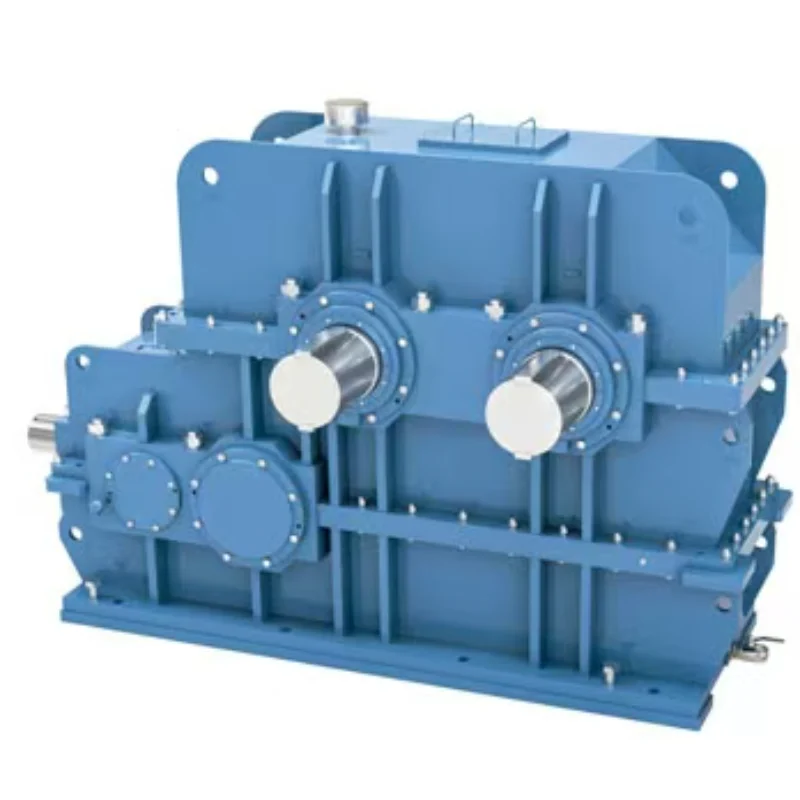
Rubber Internal Mixer Gearbox: Read the Batch Load Profile, Not Just Motor kW
Oct 22, 2026
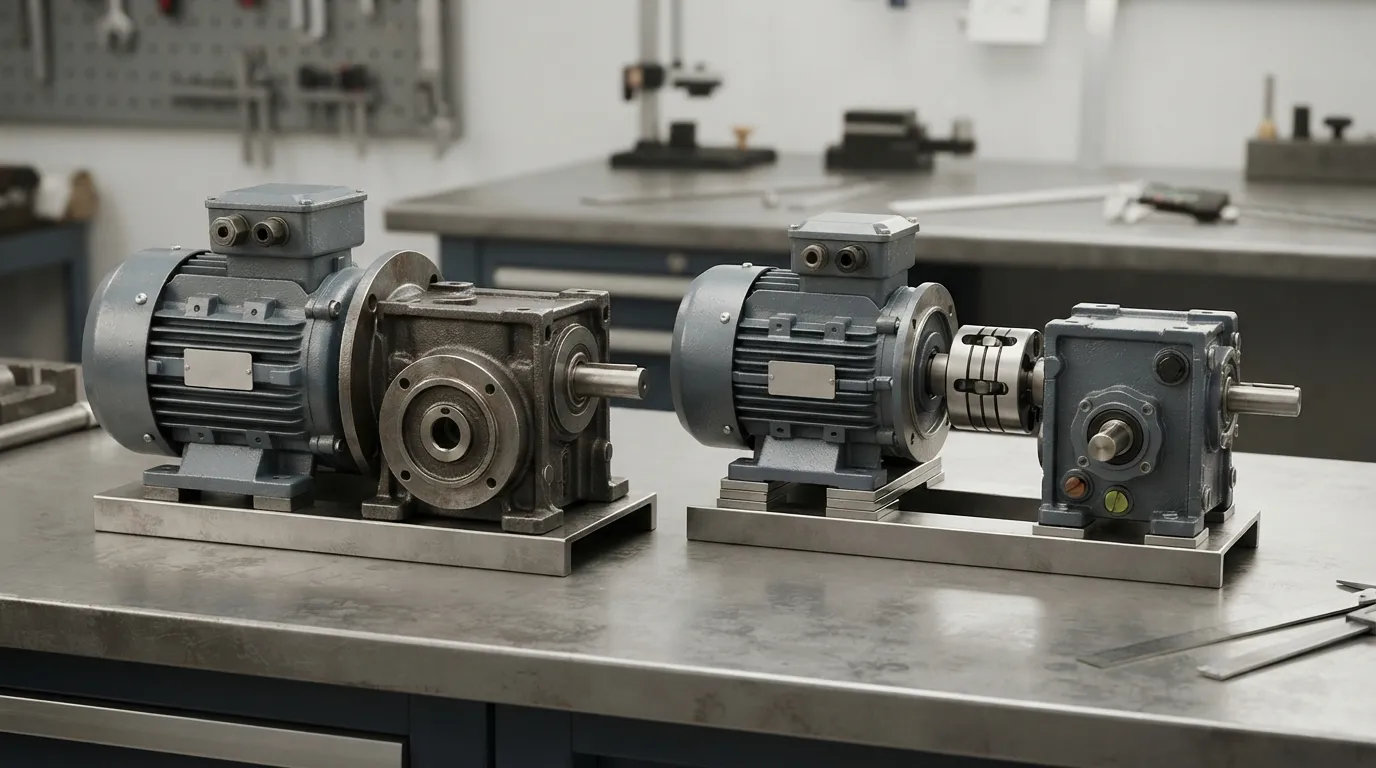
Hot Industrial Gearbox Coupling After Cold Alignment: What to Check
Oct 22, 2026
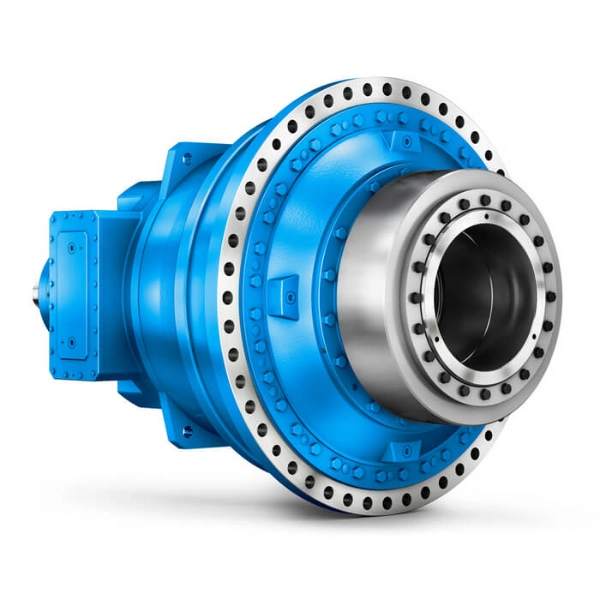
Hydraulic Slewing Drive Won't Rotate: Separate Motor, Brake and Gearbox Faults
Oct 22, 2026
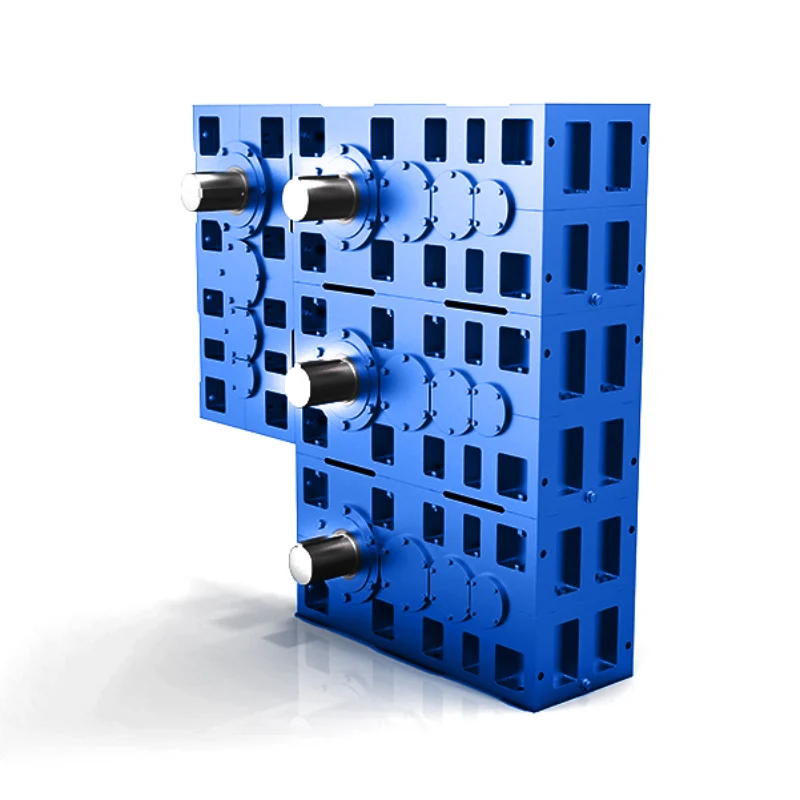
Calender Roll Gap Changes: What Must the Drive Coupling Accommodate?
Oct 22, 2026
A conveyor gear motor converts motor speed into the lower speed and higher torque required by belts, rollers, and material-handling systems. In worm-driven units, part of the input power becomes heat through sliding friction. Thermal balance is as important as mechanical strength: the drive must deliver the required torque without exceeding the permitted temperatures of the motor, lubricant, seals, bearings, or gearing.
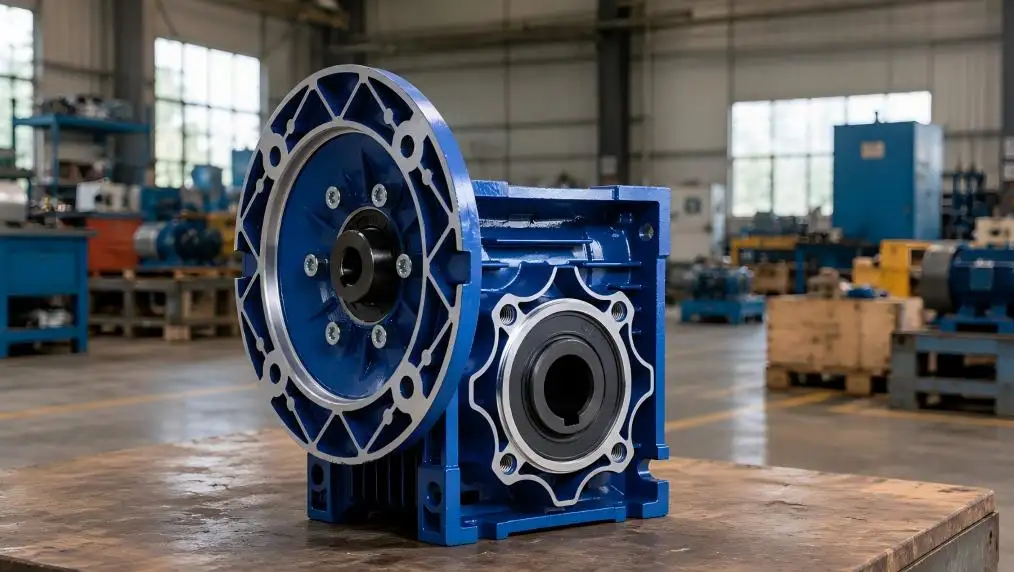
The thermal selection should evaluate the complete conveyor duty—not motor power or ratio alone.
Why a Conveyor Gear Motor Generates Heat
A worm gearbox commonly uses a hardened steel worm meshing with a bronze worm wheel. Because contact includes substantial sliding, efficiency varies with ratio, lead angle, speed, load, accuracy, lubrication, and running condition. Published worm-reducer data also show that efficiency can differ considerably between ratios and configurations.
The main sources of heat generation are as follows:
•Gear Mesh Friction: In gear pairs, some of the energy transmitted is converted to waste heat due to friction.
•Oil Churning: The motion of the components of the machine causes the oil to flow and be dragged through the casing of the machine. Energy is dissipated by this system as heat.
•Bearings and Seals: In the rotating parts of a machine, heat is lost due to friction.
•Motor Losses: Disparate parts of the electric motor heat up as a result of the motor's electrical and magnetic losses.
•Overload or misalignment: This results in specific areas of a machine generating excess heat.
Heat generation is normal. A correctly selected conveyor gear motor should dissipate it fast enough to stabilise within its approved range.
Housing Heat Dissipation
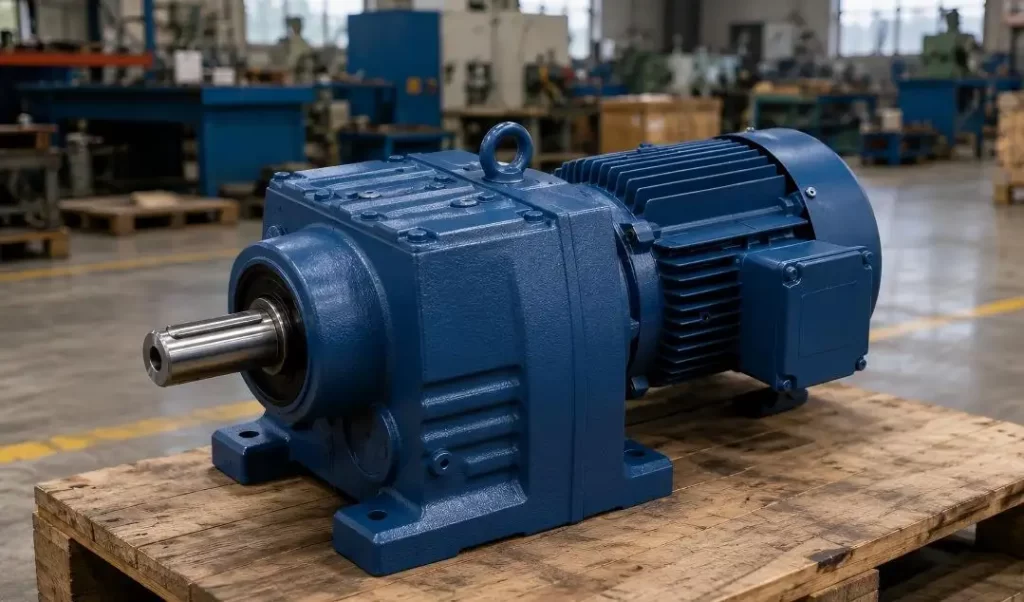
The housing serves a dual purpose of providing structural support and acting as a heat-transfer surface. The heat conducted from the oil and gears to the housing is finally dissipated from the housing by convection and radiation.
For WP Series with cast iron housings, thermal performance is enhanced by the following:
1. Structural Rigidity: Stable positions for the shaft and bearing allow for gear contact if spacing due to thermal effects occurs.
2. Thermal Mass: The housing helps to avoid the effects of sudden changes in temperature and short load peaks by absorbing some of the heat.
3. Surface Area: Natural heat release is enhanced by housing design and the use of heat-dissipating ribs.
4. Correct Oil Volume: The oil carries heat from the housing and provides lubrication to the gears and bearings.
Cast iron worm reducers are designed with rigid housings and sufficient oil volume to allow support for alignment, lubrication and heat dissipation. Rigid housings are, however, not the sole factor for thermal performance.
There are a multitude of factors which influence thermal performance, including airflow, mounting position, temperature of the surroundings, direct sunlight, nearby sources of heat, and surface cleanliness. Gear-unit thermal ratings therefore consider air circulation, altitude, lubrication, and external cooling.
Temperature Rise Is Not One Universal Number
Temperature rise is the difference between operating and ambient temperature, but the measurement point matters. Motor winding, oil-sump, bearing, and housing-surface temperatures are not interchangeable.
| Area Checked | Main Limit | Operational Concern |
| Motor winding | Insulation class and motor rating | Heat accelerate insulation ageing. |
| Gear oil | Viscosity and oxidation stability | Excess thinning weakens the oil film. |
| Oil seals | Elastomer temperature range | Heat may harden or damage seals. |
| Bearings and gears | Load, clearance, and lubrication | Expansion may alter contact conditions. |
| Housing surface | Product-specific guidance | Surface temperature is not oil temperature. |
Oil temperature is especially important because it influences lubricant ageing and the appropriate oil-change interval.
Mingye, therefore, does not apply one generic limit to every conveyor gear motor. Permitted temperatures should be confirmed for the selected motor, oil, seals, gearbox size, mounting orientation, and environment.
S1 Duty and Thermal Equilibrium
IEC 60034-1 identifies S1 as continuous running duty. Motor guidance based on this standard defines S1 as constant-load operation maintained long enough for thermal equilibrium to be reached.
However, S1 describes the motor duty. The worm gearbox also requires a separate thermal-capacity check. A reducer may be mechanically strong enough for a load yet require derating if continuous operation causes excessive oil temperature.
Gear-unit thermal rating is the power that can be transmitted continuously without exceeding the specified oil-temperature criterion.
Considerations for Conveyor Duty
•Output torque: Consider the transported load, incline, belt or roller resistance, and the friction.
•Starting demand: Consider the torque needed to break away the load and the duration of the build-up.
•Service conditions: Consider the load variation and the number of shock loads and starts and the total hours of operation.
•Speed and ratio: Affect the sliding speed and efficiency and raise the amount of heat generated.
•Environment: High temperatures, altitudes, or restricted airflow reduce the effective thermal capacity of the gear motor.
•Mounting position: The oil must be evenly distributed and at the correct level for the position the gear motor is mounted in.
Mingye's Thermal Design for Gear Motors
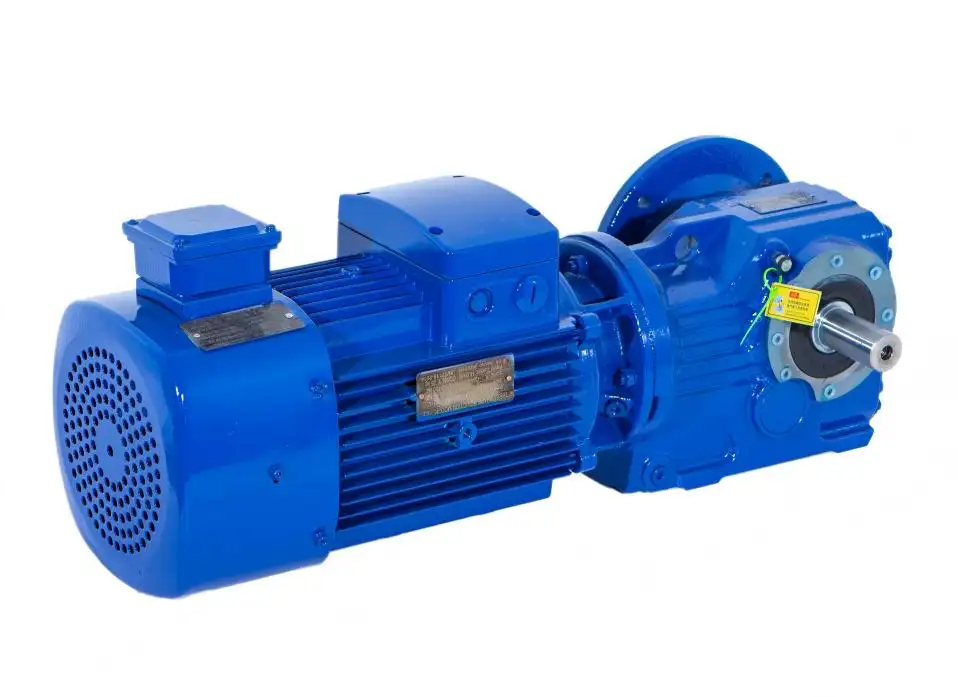
When designing a WP-series conveyor gear motor, Mingye integrates the accessory component design with the application:
•Material pairing: The combination is a hardened steel worm and a bronze wheel, which is a compatible pair for sliding contact wear.
•Precision machining: It helps reduce unnecessary friction during the sliding contact between the worm and the gear.
•Lubrication: The oil is selected to suit the intended service requirements, i.e., speed and load, with consideration to the mounting position.
•Alignment of the motor: Proper installation of the mounting flange eliminates alignment problems associated with the coupling.
•Thermal selection: The rated torque is compared to the continuous duty torque with the thermal selection to ascertain sufficient thermal reserve.
•Supplementary cooling: It is applied to the gear motor when natural convection cooling is not adequate. Other methods may include ventilation or the use of a fan.
Self-locking should not be assumed simply because worm gearing is used. Backdrivability depends on geometry, friction, lubrication, wear, vibration, and load; safety-critical conveyors may still require a brake.
Installation Instructions
•Motors and gear units must have the correct airflow.
•Keep all surfaces clean. Dust and residue accumulation can cause insulation.
•Use the right lubricant and ensure the correct viscosity and fill level of oil.
•Check the mounting, as fill level and venting may vary based on the mounting position.
•Always examine and maintain the following: temperature, noise, leakage, and odour.
•Do not exceed the load limit: it may prevent the gear from reaching its safe working thermal equilibrium.
Conclusion
Conveyor gear motors depend on the balance of the heat generated and the heat dissipated. Many factors, including the design of the casing, the type of lubricant and its viscosity, the duty of the motor, the ambient temperature, and the loading, all must be considered. By designing the WP-series drive to the limits of torque and thermal capacity, Mingye allows for the predictable operation of the conveyor, a stable lubrication system, and a well-defined maintenance schedule.
FAQs
Q1. Ambient temperature effects on the gear motor?
With the loss of the gradient, the need for load derating and additional cooling will become necessary with a higher ambient temperature.
Q2. Do hot gearboxes indicate failure?
Not necessarily. During normal operation, gearboxes will heat up. Elevated temperatures, rapid increases in temperature, abnormal noises, oil discharge, or the detection of burning should be investigated.
Q3. What does S1 duty imply?
This implies the duty cycle of the motor may be continuous operation at constant load.
Q4. S1 motor implies continuous operation of the gearbox?
Not necessarily. The gearbox also needs to have the thermal capacity and the required torque and speed within the ambient temperature and operating conditions to allow continuous operation.
Q5. How is Conveyor Gear Motor cooling advanced?
This can be improved through increase of the airflow over the housing, removal of dust, use of the appropriate lubricant, and not placing the unit adjacent to external sources of higher temperatures.
Share on Social:


Contact Us
In This Article
Rubber Internal Mixer Gearbox: Read the Batch Load Profile, Not Just Motor kW
Oct 22, 2026
Hot Industrial Gearbox Coupling After Cold Alignment: What to Check
Oct 22, 2026
Hydraulic Slewing Drive Won't Rotate: Separate Motor, Brake and Gearbox Faults
Oct 22, 2026
Calender Roll Gap Changes: What Must the Drive Coupling Accommodate?
Oct 22, 2026