


 Home /
How to Choose a Custom Gearbox Manufacturer?
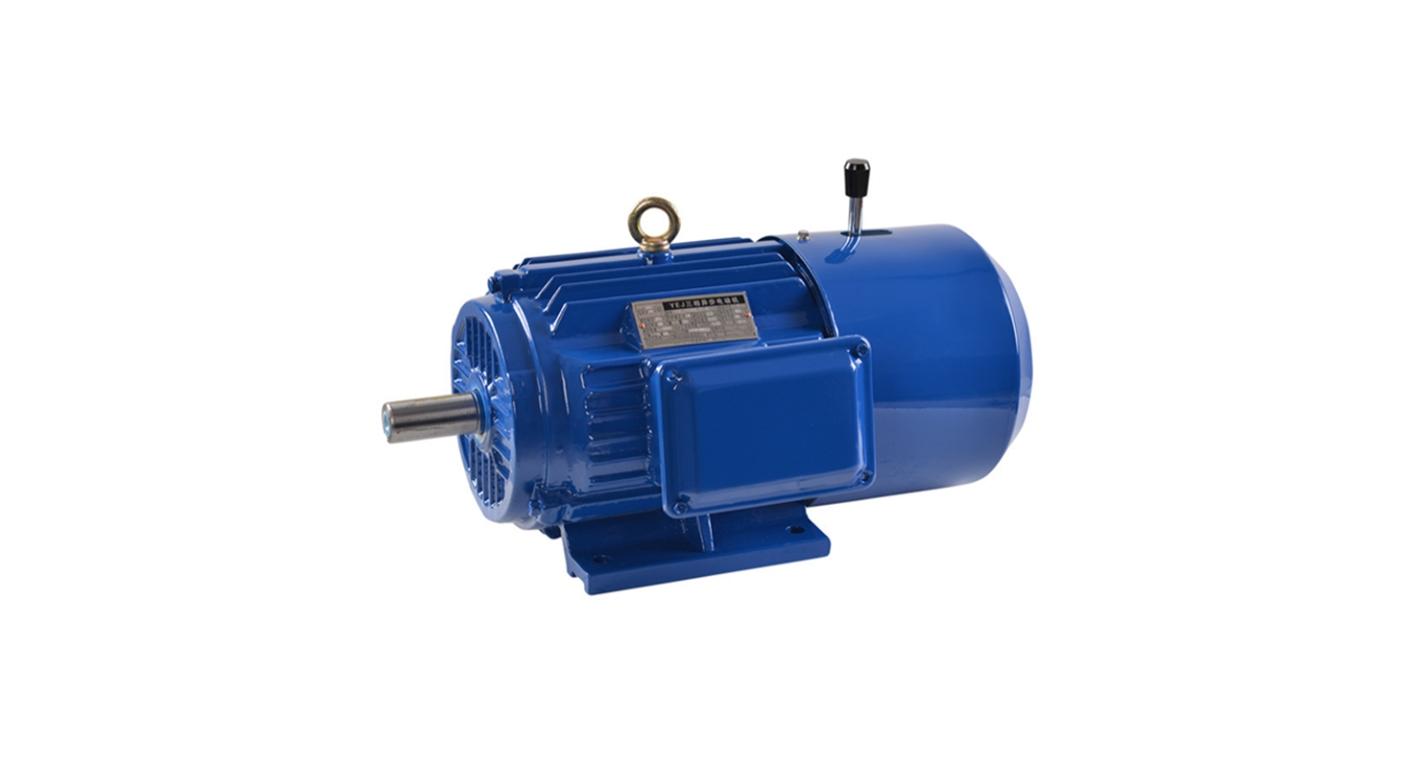
Right Angle Geared Motor: Matching Electrical Supply, Variable Speed and Braking
Oct 26, 2026
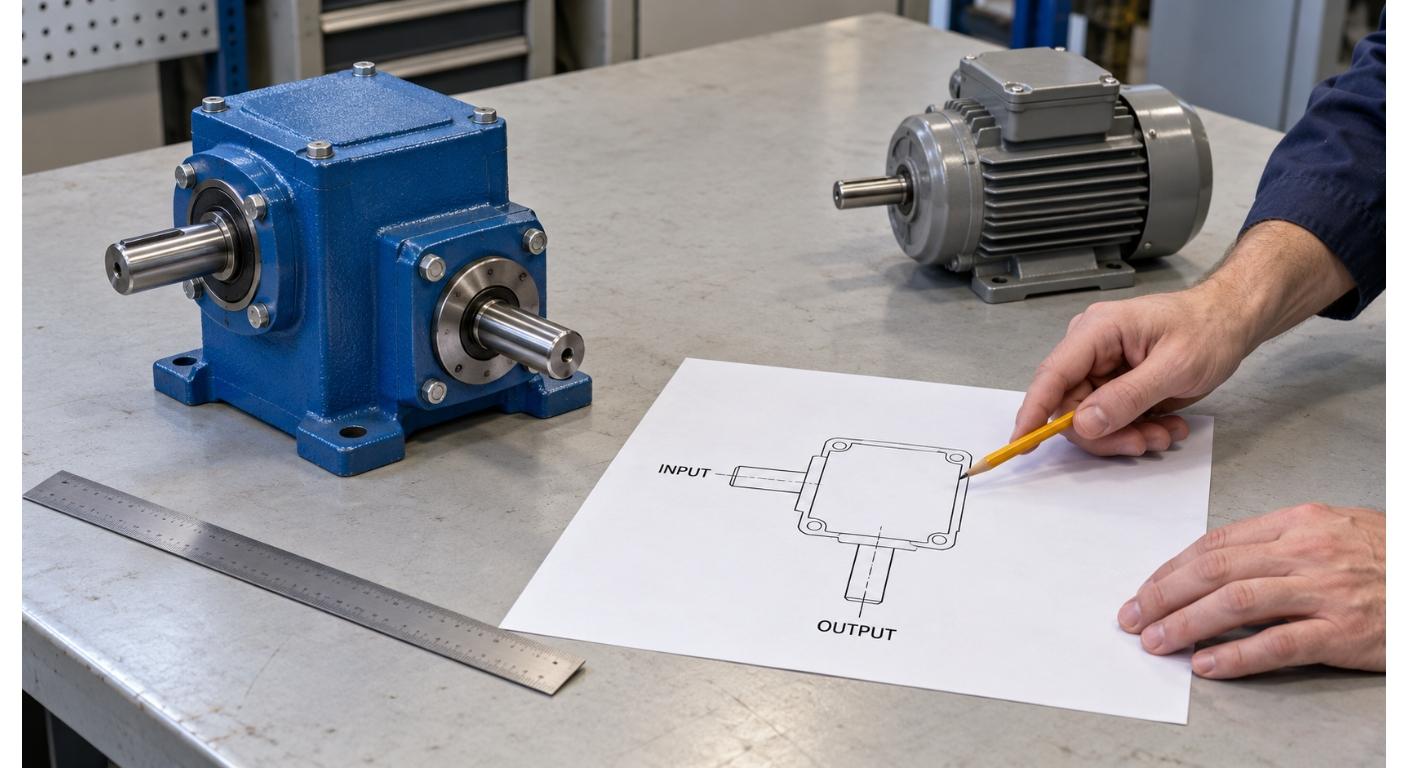
Planning a Bevel Reducer Installation: Turn Shaft Requirements Into a Practical Drive Layout
Oct 26, 2026
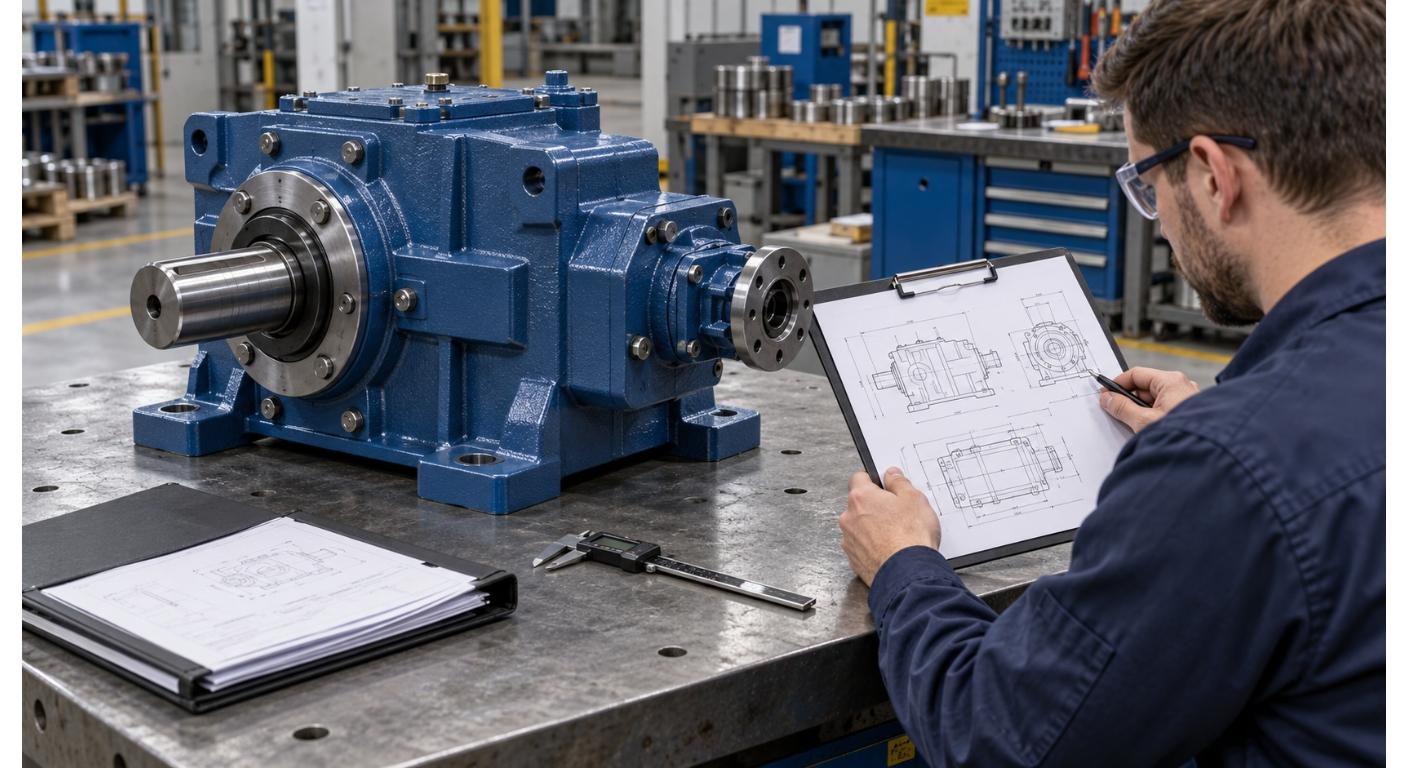
Choosing an Overhead Crane Gearbox by Its Hoisting or Travel Function
Oct 26, 2026
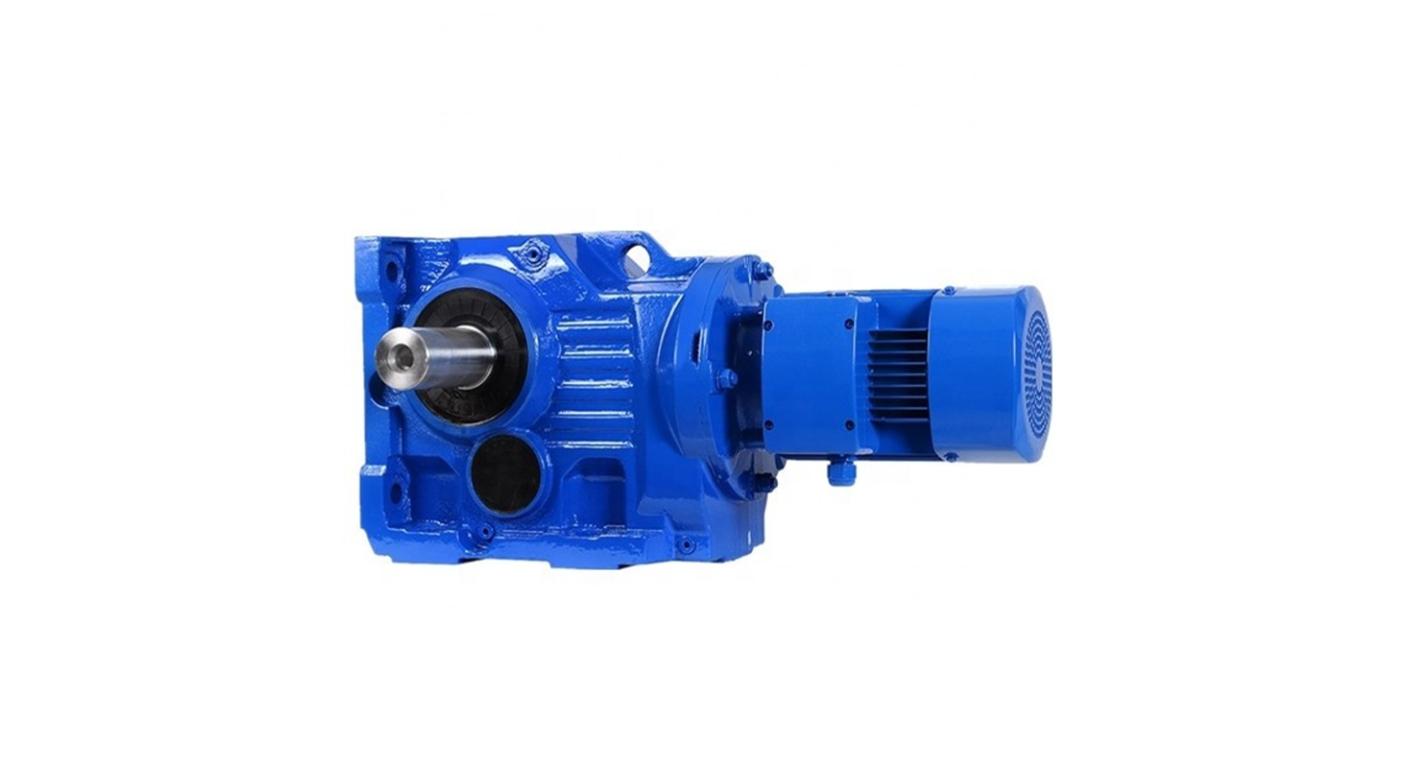
Replacing an Industrial Worm Gearbox: What to Keep and What to Reassess
Oct 25, 2026
To choose a custom gearbox manufacturer, evaluate five things before you send an RFQ: engineering support, in-house manufacturing capability, testing and quality control, realistic lead times, and references from applications similar to yours. A supplier that designs, machines, and tests gearboxes in its own factory — rather than assembling bought-in parts — gives you far more control over quality, delivery, and customization. Verify each claim with documentation and direct questions.
What to Check Before Choosing a Custom Gearbox Manufacturer
A custom gearbox is a power transmission unit designed or modified to meet application-specific requirements that standard catalog units cannot satisfy. This can mean changes to mounting dimensions, transmission ratios, shaft configurations, or materials. According to RJ Link International, "custom gearboxes are increasingly common, mainly because they're easier than ever to manufacture to specification."
Before you evaluate any supplier, understand that the selection process involves five non-negotiable criteria. Each one separates a capable manufacturing partner from a reseller or assembler that cannot truly customize your gearbox.
The five evaluation criteria are:
- Engineering support — Who designs your gearbox, and what tools do they use?
- In-house manufacturing — Are gears, shafts, and housings actually machined in the supplier's own factory?
- Testing and quality control — What evidence exists that the gearbox will perform as specified?
- Lead time — Can the supplier commit to a realistic delivery date in writing?
- References for similar applications — Has the manufacturer built gearboxes for your industry before?
Working through these five areas systematically is the most reliable way to select a custom gearbox manufacturer. A supplier that falls short on any one of them introduces risk into your project timeline, budget, and equipment reliability.
What Engineering Support Should You Expect?
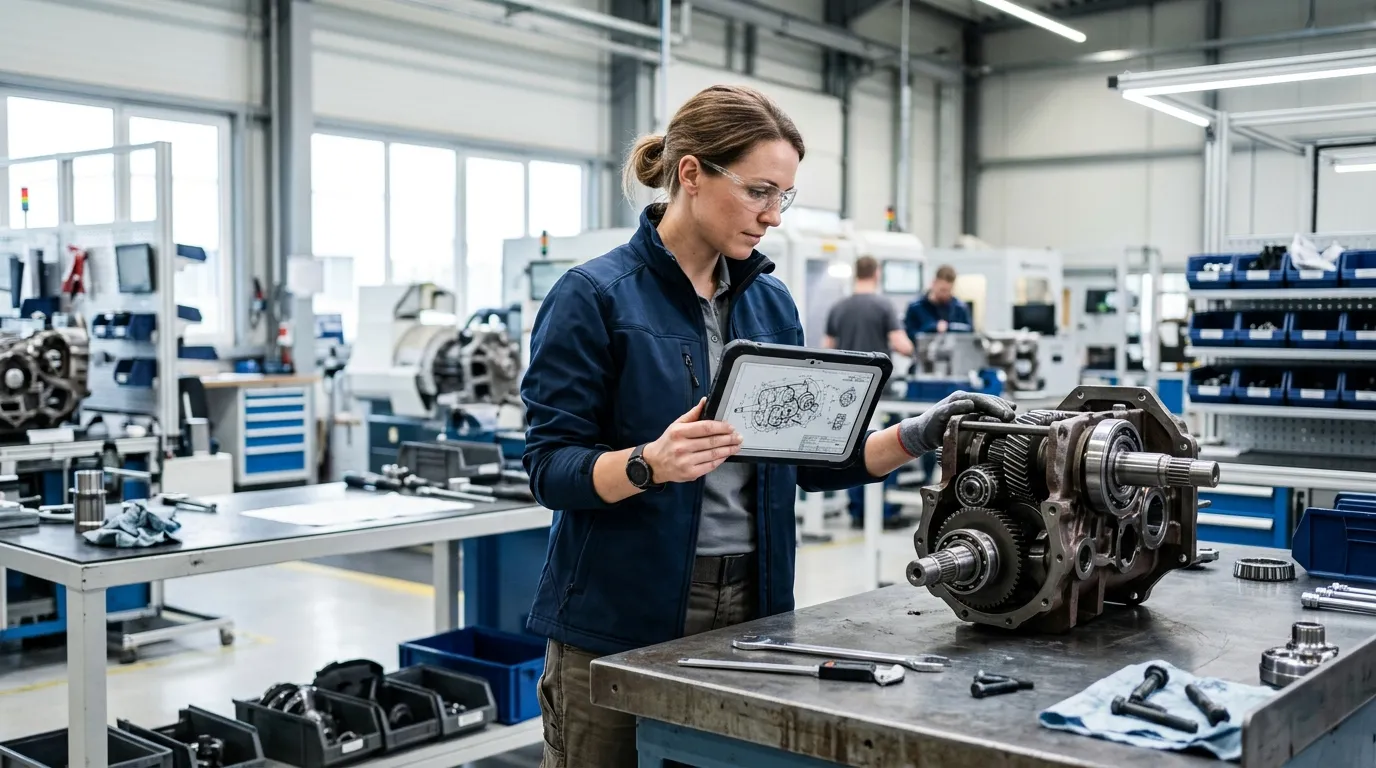
A capable custom gearbox manufacturer assigns a dedicated engineer to manage your project from initial consultation through delivery. This engineer should offer design assistance such as value engineering (finding cost savings without sacrificing performance), reverse engineering of obsolete units, and prototyping support.
According to RJ Link International, "for small quantities of true custom gearboxes, look for manufacturers that leverage the latest CAD software, CAM software and machine tools to streamline post-processing work and reduce the cost of one-offs." This matters because custom gearboxes are often ordered in small quantities — sometimes single units. The supplier's engineering efficiency directly affects your cost and lead time.
Atlanta Gear Works describes its approach this way: "We assign every repair, rebuild or custom build to a dedicated, experienced engineer from start to finish. We control the entire process of every job in-house." This level of engineering ownership is what you should expect from a manufacturer that can genuinely customize a gearbox.
Questions to ask about engineering support:
- How many engineers are on staff, and what is their experience with my application type?
- Will a dedicated engineer manage my project from start to finish?
- Can you provide design assistance, value engineering, or reverse engineering services?
- What CAD/CAM software do you use for custom designs?
If a supplier cannot clearly describe its engineering process or assign a named engineer to your project, that is an early warning sign. Custom work requires design capability — not just assembly capability.
In-House Manufacturing vs. Resellers and Traders
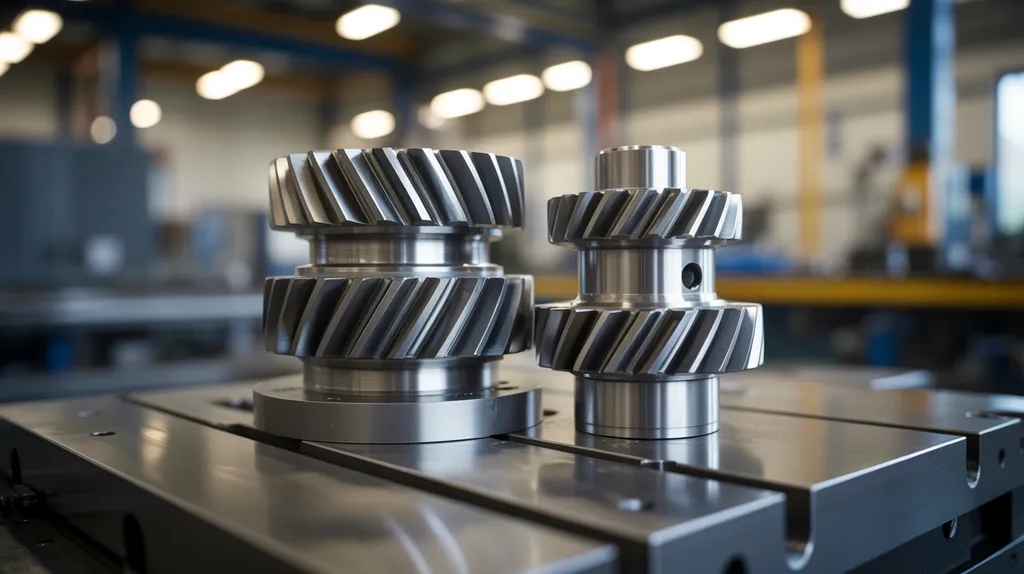
One of the most important distinctions when choosing a custom gearbox manufacturer is whether the supplier actually machines components in its own factory or sources them from elsewhere. A reseller or trader buys gearboxes from multiple factories and sells them under its own name. An assembler buys gears, shafts, housings, and bearings — then puts them together. Only a true manufacturer controls the entire production process.
Atlanta Gear Works emphasizes this point: "We control the entire process of every job in-house." This is the standard you should look for when evaluating suppliers.
Why does this matter? When a supplier machines its own gears, shafts, and housings, it controls tolerances, material quality, and production scheduling. It can make design changes faster, respond to quality issues directly, and commit to realistic lead times. A reseller has no control over any of these factors — it depends entirely on its factories.
When sourcing from China, this distinction is particularly important. According to advice from cylreducer.com, a supplier guide for helical gearbox sourcing, buyers should verify "ISO 9001:2015 certification and checked DIN 6 gear grinding precision" when evaluating a manufacturer. These checks confirm that the supplier has actual machining capability, not just a trading license.
| Capability Signal | In-House Manufacturer | Assembler | Reseller/Trader |
|---|---|---|---|
| Machining (gears, shafts, housings) | Has CNC machines and performs machining in-house | May perform limited machining or assembly only | No machining capability |
| Engineering team | Dedicated in-house engineers | Limited or outsourced engineering | No engineering staff |
| Testing/QC capability | Performs load testing, inspection in-house | May perform basic inspection only | No testing capability |
| Lead time control | Controls production schedule directly | Dependent on component suppliers | Dependent on factories |
| Customization flexibility | Can modify designs quickly | Limited by available components | Limited to catalog options |
| Documentation quality | Full manufacturing records available | Partial documentation | Varies by factory |
How do you verify a supplier's manufacturing capability? Ask for a factory tour — either in person or by video call. Request photographs of the CNC machines and production floor. Ask how many machines the factory operates and what types of machining (gear hobbing, gear grinding, turning, milling) are performed in-house.
Mingye, for example, builds both motors and reducers in its own CNC-equipped factory. The company's about us page describes its in-house manufacturing approach, which is one of the capabilities you should look for when evaluating any custom gearbox supplier.
What Testing and Quality Control Should a Custom Gearbox Manufacturer Perform?
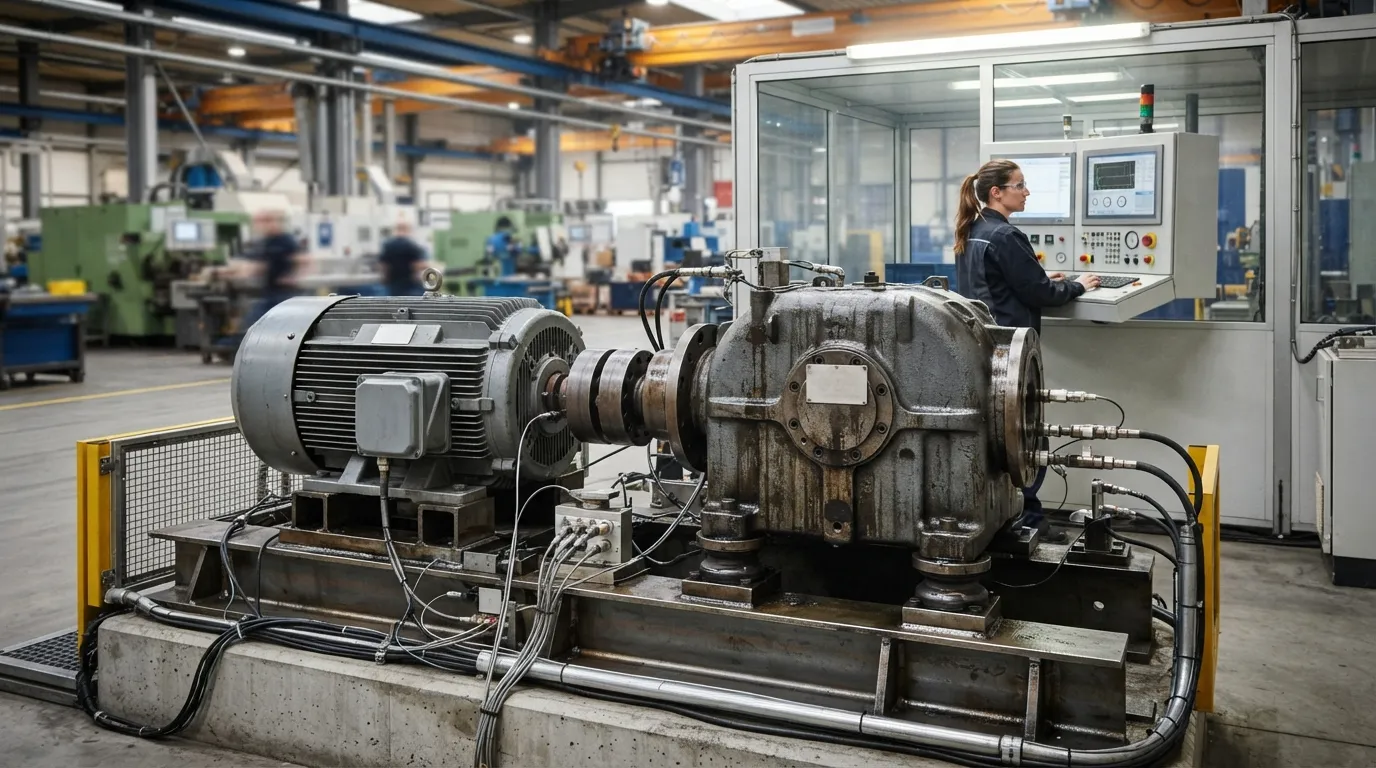
Testing and quality control are what separate a reliable custom gearbox from a field failure. Before you order, ask the manufacturer what testing it performs on every unit and what documentation you will receive.
According to Wenlio Gear, "three ISO documents show up most often in everyday gear work: ISO 9001, ISO 6336 and ISO 1328." These standards cover quality management, gear load capacity calculations, and gear accuracy tolerances respectively. A manufacturer that works to these standards is more likely to deliver a gearbox that performs as specified.
Types of testing to look for:
- Load testing — Running the gearbox under load to verify torque capacity and efficiency
- Vibration and noise testing — Checking for abnormal vibration or noise that indicates gear or bearing issues
- Thermal run testing — Operating the gearbox long enough to verify temperature rise stays within limits
- Material inspection — For critical gears, non-destructive testing methods such as dye penetrant or magnetic particle inspection can reveal cracks or material defects
According to cylreducer.com, buyers should verify "ISO 9001:2015 certification and checked DIN 6 gear grinding precision" when sourcing a helical gearbox manufacturer. DIN 6 refers to a gear grinding precision grade defined by German standard DIN 3962 — higher precision grades (lower numbers) indicate tighter tolerances.
Questions to ask about testing and quality control:
- What testing is performed on every gearbox before shipment?
- Can you provide test reports or certificates of conformance?
- What quality certifications does your factory hold?
- What inspection procedures are in place for incoming materials and finished gears?
A manufacturer that cannot describe its testing procedures or provide documentation is a significant risk. Testing evidence is one of the most reliable ways to verify that the gearbox you receive will meet your application requirements.
What Certifications Should a Custom Gearbox Manufacturer Hold?
Certifications provide a verifiable baseline for evaluating a custom gearbox manufacturer. They confirm that the factory follows documented quality procedures and works to recognized engineering standards.
| Certification/Standard | What It Verifies | Why It Matters for Your Order |
|---|---|---|
| ISO 9001:2015 | Quality management system — documented procedures for design, production, and inspection | Confirms the factory has a systematic approach to quality control |
| AGMA standards | Gear design and manufacturing guidelines including tooth dimensions, tolerances, and material selection | Ensures gears are designed and manufactured to established industry practices |
| ISO 6336 | Calculation methods for load capacity of spur and helical gears | Confirms the manufacturer uses proper engineering methods for gear sizing |
| ISO 1328 | Accuracy tolerances for cylindrical gears | Ensures gear accuracy is specified and verified to a recognized standard |
| DIN 6 (grinding precision) | Gear grinding precision grade defined by German standard DIN 3962 | Indicates the achievable surface finish and tooth profile accuracy |
According to Eureka.patsnap.com, AGMA standards provide "detailed guidelines on the dimensions and tolerances for gear teeth" and "material selection." The American Gear Manufacturers Association (AGMA) publishes these standards, which are widely used in North America and internationally.
When a supplier claims certification, ask to see the actual certificate and verify that the scope of the certification covers the products you are ordering. Certificates are issued for specific activities — a factory certified for gear cutting may not be certified for gear grinding or heat treatment. Request the certificate and check the scope.
What Information Should You Provide to Get an Accurate Quote?
The quality of your RFQ directly affects the quality of the quotes you receive. A complete RFQ allows manufacturers to design and price your custom gearbox accurately — and makes it possible to compare suppliers on an equal basis.
According to Motion Control Tips, "the starting point for most gearbox manufacturers is to define a service factor. This adjusts for such concerns as type of input, hours of use per day, and any shock or vibration associated with the application." A service factor accounts for the real-world conditions your gearbox will face, not just the theoretical load.
Numbered list — What to include in your RFQ:
- Input speed and power — The speed (RPM) and power (kW or HP) of your motor or prime mover.
- Output torque and speed — The required torque at the output shaft and the final output speed.
- Service factor — Your application's duty cycle, including hours per day, starts per hour, and shock or vibration characteristics. According to Motion Control Tips, "an application with an irregular shock (a grinding application, for example) needs a higher service factor than one that's uniformly loaded."
- Mounting orientation — Shaft arrangement (parallel, right-angle, inline), whether the shaft is horizontal or vertical, and any space constraints. According to RJ Link International, "for vertical shaft down applications, some manufacturers recommend a second set of seals."
- Ambient conditions — Operating temperature range, humidity, dust, chemical exposure, and outdoor/indoor installation.
- Envelope dimensions — Available space for the gearbox, including shaft heights and overall length/width constraints.
The more complete your custom gearbox quote information, the more accurate your quotes will be. Incomplete information leads to assumptions — and assumptions lead to a gearbox that does not fit or does not perform.
What Questions Should You Ask a Custom Gearbox Manufacturer?
When you have narrowed your list of potential suppliers, a structured set of questions will help you compare them fairly. These questions are grouped by category so you can evaluate each manufacturer consistently.
Engineering questions:
- How many engineers are on staff, and what is their experience with my industry?
- Will a dedicated engineer manage my project from start to finish?
- Can you provide design assistance or value engineering for my application?
- What CAD/CAM software do you use for custom designs?
Manufacturing questions:
- Are gears, shafts, and housings machined in your own factory?
- What machining capabilities do you have (gear hobbing, gear grinding, turning, milling)?
- How many CNC machines are in your factory?
Quality questions:
- What testing is performed on every gearbox before shipment?
- What quality certifications does your factory hold — ISO 9001:2015, AGMA compliance?
- Can you provide test reports or certificates of conformance?
Logistics questions:
- What is your standard lead time for a custom gearbox?
- Can you commit to a delivery date in writing?
- What is your minimum order quantity for custom work?
Reference questions:
- Can you provide references from applications similar to mine?
- What industries do you regularly supply?
- How do you handle warranty claims and after-sales support?
Working through these questions systematically — ideally comparing answers from multiple suppliers side by side — is the most reliable way to choose a custom gearbox manufacturer.
Custom vs. Modular Gearboxes: Know What You're Ordering
"Custom" means different things to different manufacturers. Understanding the customization spectrum will help you order the right type of gearbox — and avoid paying for more engineering than you need.
According to RJ Link International, "today's custom and standard gearing aren't mutually exclusive. Where fully-custom gearboxes aren't feasible (if quantities aren't high enough), consider working with manufacturers that sell gearboxes built to order from standard modular subcomponents." This modular customization approach allows a manufacturer to modify mounting dimensions, transmission ratios, and shaft configurations while keeping the core gear geometry standardized.
Types of customization:
- Standard gearbox — A fixed catalog design with no modifications. Lowest cost and fastest delivery.
- Modular custom gearbox — Based on a standard modular design with modifications to mounting dimensions, ratios, or shafts. Moderate cost and moderate lead time.
- Fully custom gearbox — Designed from scratch for your specific application. Highest cost and longest lead time, but optimal performance for unusual requirements.
According to Venture Mfg Co, "custom gearboxes require a higher initial investment, but come with significant cost savings in the long run. A gearbox designed to meet the exact requirements of an application is less likely to experience failures, reducing downtime, maintenance costs, and the need for frequent replacements."
Mingye's approach is based on modular, standardized designs with OEM customization of mounting dimensions and transmission ratios. This means you get the benefit of customization — a gearbox that fits your application — without the cost and lead time of a fully bespoke design.
How to Check References for Similar Applications
References are the most direct evidence that a custom gearbox manufacturer can do what it claims. A reference from an application similar to yours is far more valuable than a general customer list.
What counts as a similar application? The reference should match your application in three ways:
- Industry — Same sector (plastics, mining, packaging, etc.) or at least similar operating conditions
- Torque and speed range — Similar power transmission requirements
- Duty cycle — Similar operating hours, starts per hour, and load characteristics
When you contact a reference, ask about:
- Did the gearbox meet the specified performance requirements?
- Was the delivery on time and as promised?
- How responsive was the manufacturer to technical questions or issues?
- How long has the gearbox been in service, and have there been any failures?
A manufacturer with strong references will gladly provide them. A manufacturer with weak references will be vague about who they supply and why their customers cannot be contacted.
Red Flags When Vetting a Custom Gearbox Manufacturer
Some warning signs should make you reconsider a supplier before you invest time in detailed evaluation:
- No in-house machining capability — The supplier cannot show you its factory or describe its CNC machines
- No dedicated engineering team — Design is outsourced or handled by sales staff
- Vague testing procedures — Cannot describe what testing is performed or provide documentation
- Unrealistic lead times — Quotes delivery dates that are suspiciously fast for custom work
- No industry references — Cannot provide references from applications similar to yours
- Refuses to share documentation — Will not provide certificates, test reports, or manufacturing records
If you encounter any of these red flags, the risk to your project is significant. A failed custom gearbox can mean production downtime, equipment damage, and replacement costs that far exceed any savings from choosing a cheaper supplier.
FAQ
Who are the best custom gearbox manufacturers?
The "best" manufacturer depends on your application. Evaluate candidates on engineering support, in-house manufacturing, testing, lead times, and references from your industry. Compare suppliers side by side using a structured checklist rather than relying on brand reputation alone.
What is the difference between a custom gearbox and a standard gearbox?
A standard gearbox is built to a fixed catalog design. A custom gearbox is modified or fully designed for your application — different mounting dimensions, transmission ratios, shaft configurations, or materials. Modular customization (adapting a standard design) is faster and more economical than a fully bespoke design.
How long does it take to manufacture a custom gearbox?
Lead times vary by complexity. Suppliers that machine components in-house typically quote 7–15 days for modular customization, while fully custom designs may take several weeks or months depending on engineering requirements and production capacity.
Are custom gearboxes worth the extra cost?
Yes, when the application demands it. A custom gearbox matched to your exact requirements is less likely to fail, reducing downtime, maintenance, and replacement costs. Custom gearboxes typically cost more upfront but deliver savings over the product's lifetime.
If you are evaluating a custom gearbox manufacturer and need a supplier that builds motors and reducers in-house, contact Mingye's engineering team with your application details for a review and quote. The company designs, machines, and assembles both motors and reducers in its own CNC-equipped factory, with OEM customization of mounting dimensions and transmission ratios available across more than 20 product series.
Share on Social:


Contact Us
In This Article
Right Angle Geared Motor: Matching Electrical Supply, Variable Speed and Braking
Oct 26, 2026
Planning a Bevel Reducer Installation: Turn Shaft Requirements Into a Practical Drive Layout
Oct 26, 2026
Choosing an Overhead Crane Gearbox by Its Hoisting or Travel Function
Oct 26, 2026
Replacing an Industrial Worm Gearbox: What to Keep and What to Reassess
Oct 25, 2026