


 Home /
 Twin Screw Extruder Gearbox: Solving Phase Synchronization For High-Viscosity Materials
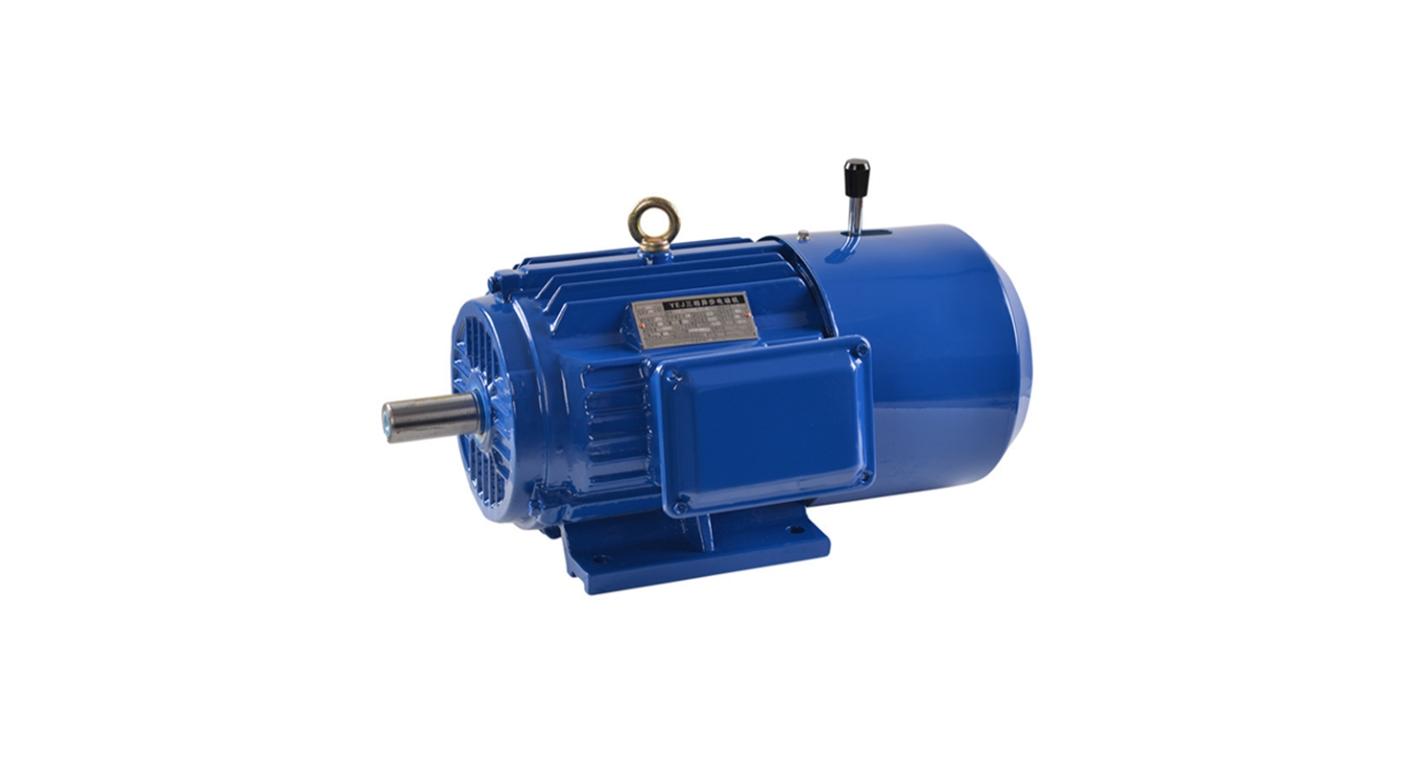
Right Angle Geared Motor: Matching Electrical Supply, Variable Speed and Braking
Oct 26, 2026
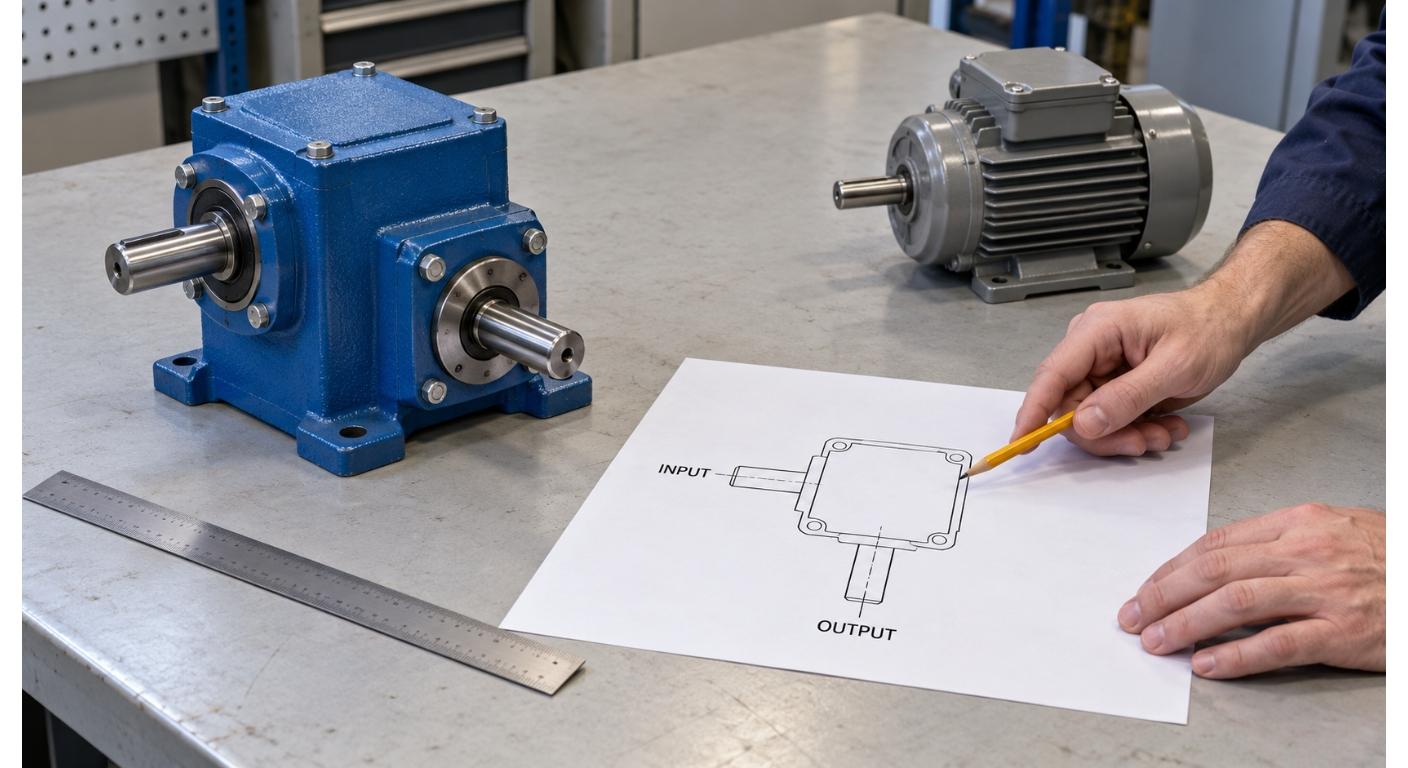
Planning a Bevel Reducer Installation: Turn Shaft Requirements Into a Practical Drive Layout
Oct 26, 2026
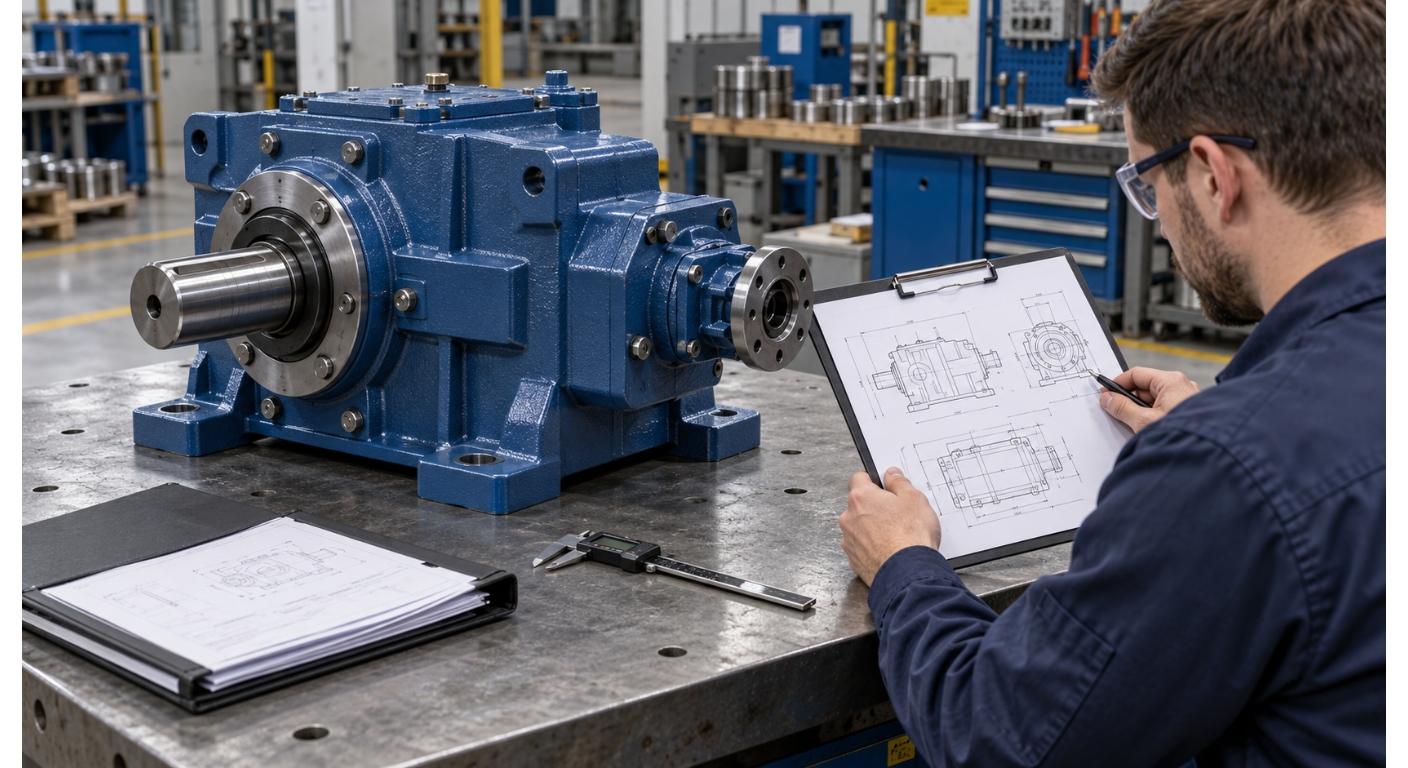
Choosing an Overhead Crane Gearbox by Its Hoisting or Travel Function
Oct 26, 2026
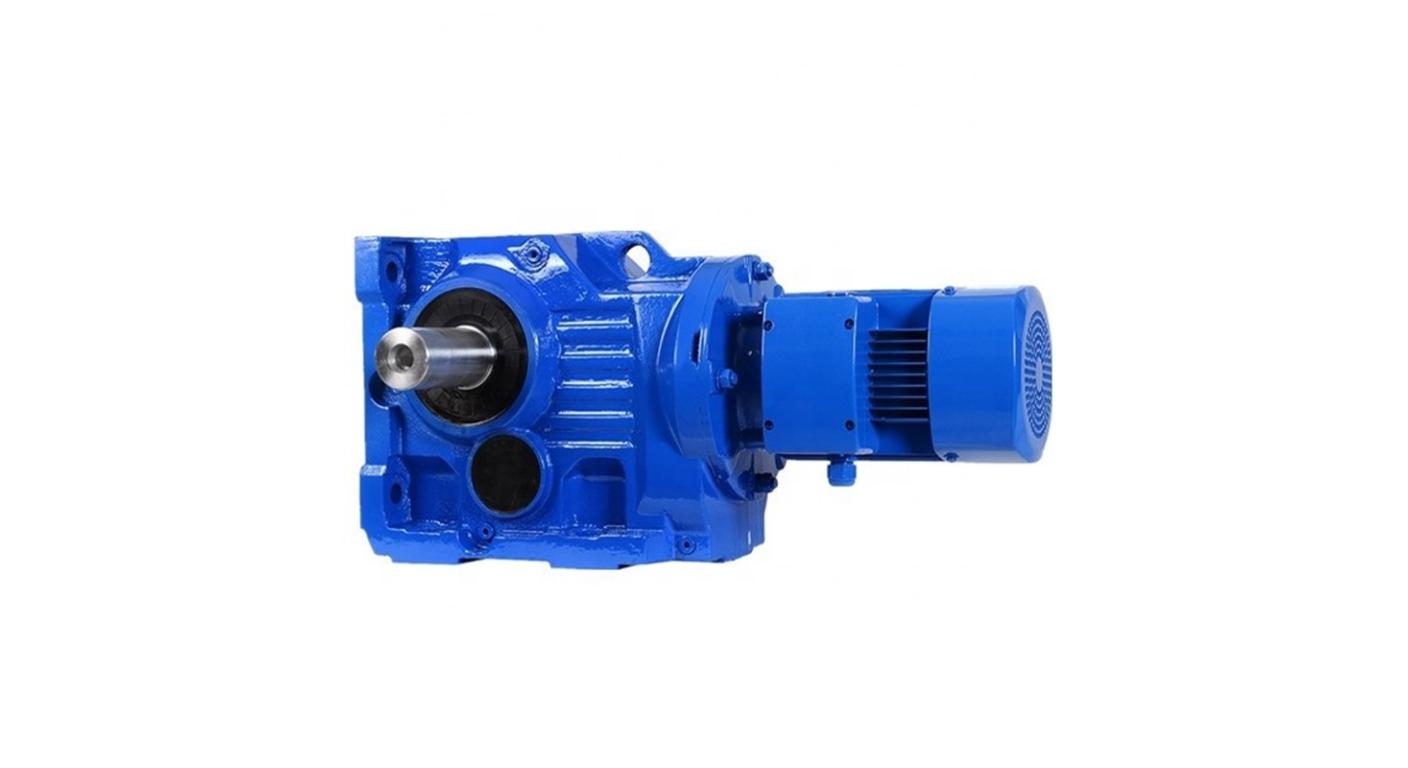
Replacing an Industrial Worm Gearbox: What to Keep and What to Reassess
Oct 25, 2026
Phase synchronization is a pivotal factor for the gearboxes when high-viscosity materials—battery pastes, rubber compounds, or highly filled masterbatches—are processed using Twin Screw Extruder Gearboxes. A Twin Screw Extruder Gearbox does not transfer power to its output shafts. Rather, it ensures that both output shafts rotate in phase, despite the constantly changing loads affecting the output shafts.
At Mingye, we have found that phase drift is an area that can lead to failure in currently operating extrusion lines, even though it is often ignored. We design gearboxes to ensure that phase synchronization is achieved without the need for external compensation or manual intervention.
Why Phase Synchronisation is Essential When Extruding High-Viscosity Materials
When extruding highly viscous materials, the material creates an uneven distribution of resistance in the extruder barrel. The uneven distribution of resistance can lead to uneven thickness:

•Back pressure can fluctuate on the screws.
•The output shaft that leads can move ahead more than the output shaft that lags, despite the fact that torque distribution is not synchronized.
•Changes in phase of up to 1 degree can affect the wiping or kneading or both effects of the screw.
•If phase mismatch continues, energy consumption, worn parts, and disrupted mixing will occur.
Designed properly, a Twin Screw Extruder Gearbox can enforce a relationship between both output shafts, fixing the rotational relationship and therefore resolving phase mismatch.
How Mingye Designs its Gearbox to Provide Phase Stability
Mingye's philosophy is to provide phase stable gearboxes that do not rely on couplings and belt drives. Rather, we use a direct gear train. The gap housing of the gearbox locks the relationship of the center distance and the internal gear arrangement allows better load sharing of input power across both output shafts.
Key design choices are as follows:
•Case-carburized, ground gears (DIN 6 or finer): Provide low and uniform transmission error contact patterns, even under load.
•Single-piece shell design: provides uniform spacing on the centerline for the shafts. Misalignment is not a concern when installed.
•Symmetrical power split paths: This ensures uniformity in angular deviation among screws across a given number of gear stages.
•Preloaded tapered roller bearings: Holds axial and radial movement in check, thus preventing backflow from impacting gear engagement.
In scenarios where the viscosity of the material can swell two or even thrice in a single production batch, the above properties of the Twin Screw Extruder Gearbox are ideal.
Addressing the "External Coupling" Problem
In other extruder designs, independent gearboxes are used that have external shaft couplings. This arrangement includes a multiplicity of failure points. Couplings can wear, loosen, or develop angular errors over time. In high-viscosity applications, torsional vibrations travel back through the coupling and gradually shift the phase relationship.
Mingye's integrated output configuration reduces this risk. By eliminating external couplings between the gearbox and screw shafts, we:
•Remove one complete source of mechanical backlash
•Shorten the mechanical force transmission path
•Reduce maintenance checks related to coupling realignment
For buyers evaluating replacement equipment or new extruder lines, this translates into lower long-term ownership cost and fewer unexpected stops.

Real Operating Conditions Without Overpromising
It is important to state clearly: no gearbox is completely immune to all external forces. However, within the normal operating window of co-rotating twin-screw extruders, a well-designed Twin Screw Extruder Gearbox holds phase well within the tolerance required for consistent compounding.
Mingye does not claim "zero wear" or "infinite life." Instead, we focus on what engineering can realistically deliver:
•Predictable phase retention over 20,000+ operating hours under rated load
•Gradual, measurable wear patterns that can be monitored during planned maintenance
•Field repairable gear sets rather than requiring full gearbox replacement
This approach aligns with how experienced procurement teams evaluate industrial drivetrain components.
Application Examples Where Phase Synchronization Is Critical
High-viscosity materials are not a niche category. They appear across multiple growing industries:
•Lithium battery electrode slurry production:High solid content creates sudden torque spikes
•Engineering plastics with 60%+ glass fiber or mineral fillers filler distribution depends heavily on consistent screw timing
•Rubber masterbatch and adhesives:Sticky material behavior increases drag force asymmetrically between screws
•Recycling extrusion of wet flake or low-bulk-density materials:Feed irregularities cause fluctuating back pressure
In each case, the Twin Screw Extruder Gearbox is not just a durability issue—it is a process consistency issue.
Selecting the Right Gearbox Supplier for High-Viscosity Lines
When evaluating gearboxes for demanding applications, Mingye recommends buyers focus on three technical indicators:
•Gear accuracy level:DIN 6 or higher is strongly preferred for phase-critical lines
•Housing stiffness data:ask for deflection values under nominal torque; lower deflection supports better phase retention
•Bearing layout documentation:confirm that bearings are arranged to limit both radial runout and axial float simultaneously
Mingye provides technical drawings and gear measurement reports for each Twin Screw Extruder Gearbox before shipment. This transparency helps customers validate fit and expected performance without guesswork.
Conclusion
Phase synchronization is not a marketing feature—it is a mechanical requirement. For high-viscosity materials, even small deviations in screw timing affect product quality, energy efficiency, and component life. An optimally designed Twin Screw Extruder Gearbox incorporates an effective, proven method to sustain alignment without sophisticated electronic adjustments or the need to intersperse realignment stops.
Mingye designs and manufactures gearboxes for extruder builders and replacement buyers who prioritize predictable performance over exaggerated claims. If your application involves sticky, thick, or highly filled materials, start the conversation with gearbox specifications—not just horsepower.
Request a Quote
Let Mingyae know your extruder design, torque, and retention requirements, and we will plan around your 2026 production schedule.
Normal Questions
Q: In what situations of non-uniform loading would a Twin Screw Extruder Gearbox maintain phase alignment?
A: The housing and gear train balancing, enable each shaft to assume an equal load, maintaining phase alignment.
Q: Can phase drift be corrected?
A: Correcting phase drift is attainable by the adjustment of bearing preload and gear backlash. However, it's better to focus on good design to avoid problems rather than relying on a correction mechanism.
Q: How high is the gear accuracy needed in high viscosity extrusion?
A: It is a must to have DIN 6 or better accuracy. Anything lower means higher shoot-through between gears which results in faster phase drift.
Q: How often is a Mingye Twin Screw Extruder Gearbox serviced?
A: Phase retention under rated load is predictable for more than 20,000 hours. As long as the oil is changed regularly and vibration is monitored, you don't have to open the gearbox in that timeframe.
Q: Does Mingye customize designs for unruly extruders?
A: Definitely. Mingye changes all that for you based on your devices and processing descriptions.
Share on Social:


Contact Us
In This Article
Right Angle Geared Motor: Matching Electrical Supply, Variable Speed and Braking
Oct 26, 2026
Planning a Bevel Reducer Installation: Turn Shaft Requirements Into a Practical Drive Layout
Oct 26, 2026
Choosing an Overhead Crane Gearbox by Its Hoisting or Travel Function
Oct 26, 2026
Replacing an Industrial Worm Gearbox: What to Keep and What to Reassess
Oct 25, 2026