


 Home /
 DC Gear Motor RFQ Requirements: What Buyers Should Provide for Accurate Selection
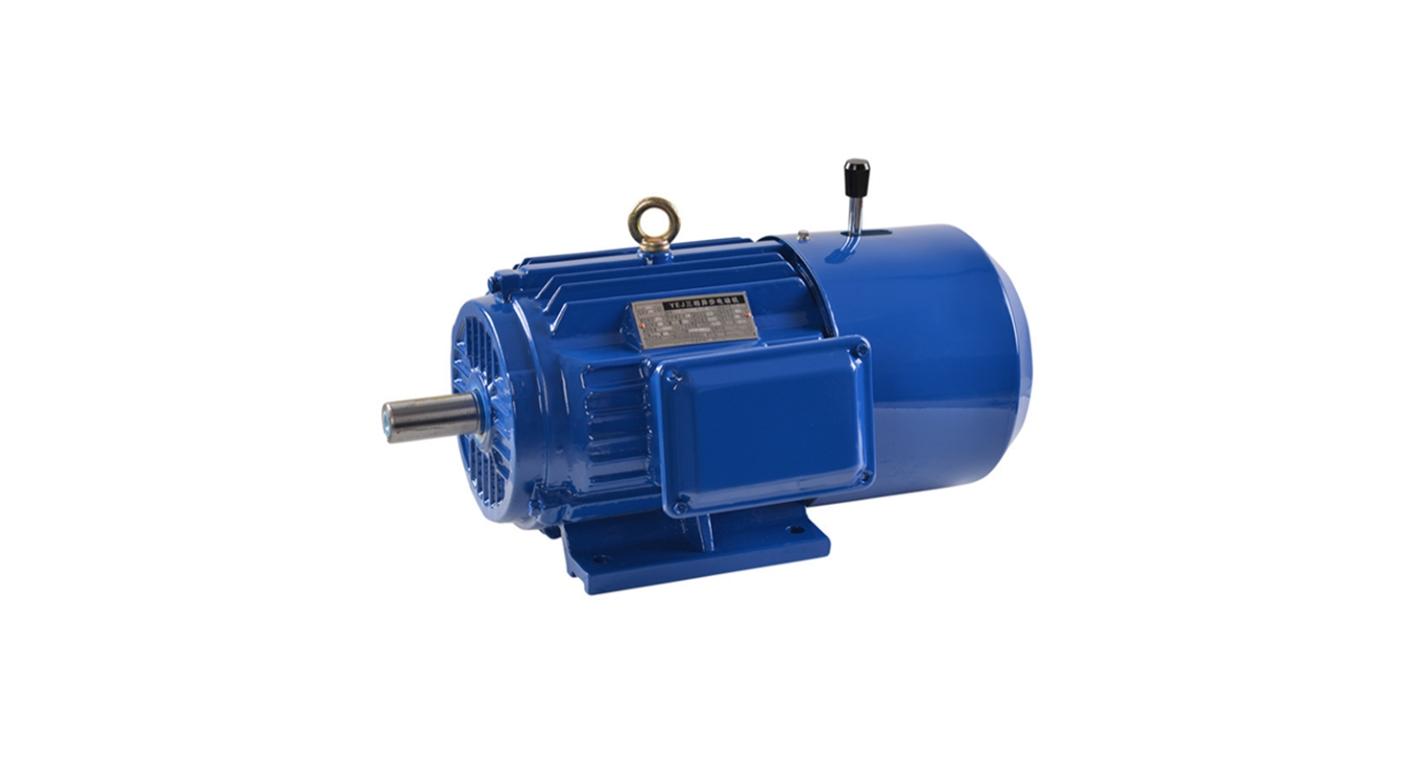
Right Angle Geared Motor: Matching Electrical Supply, Variable Speed and Braking
Oct 26, 2026
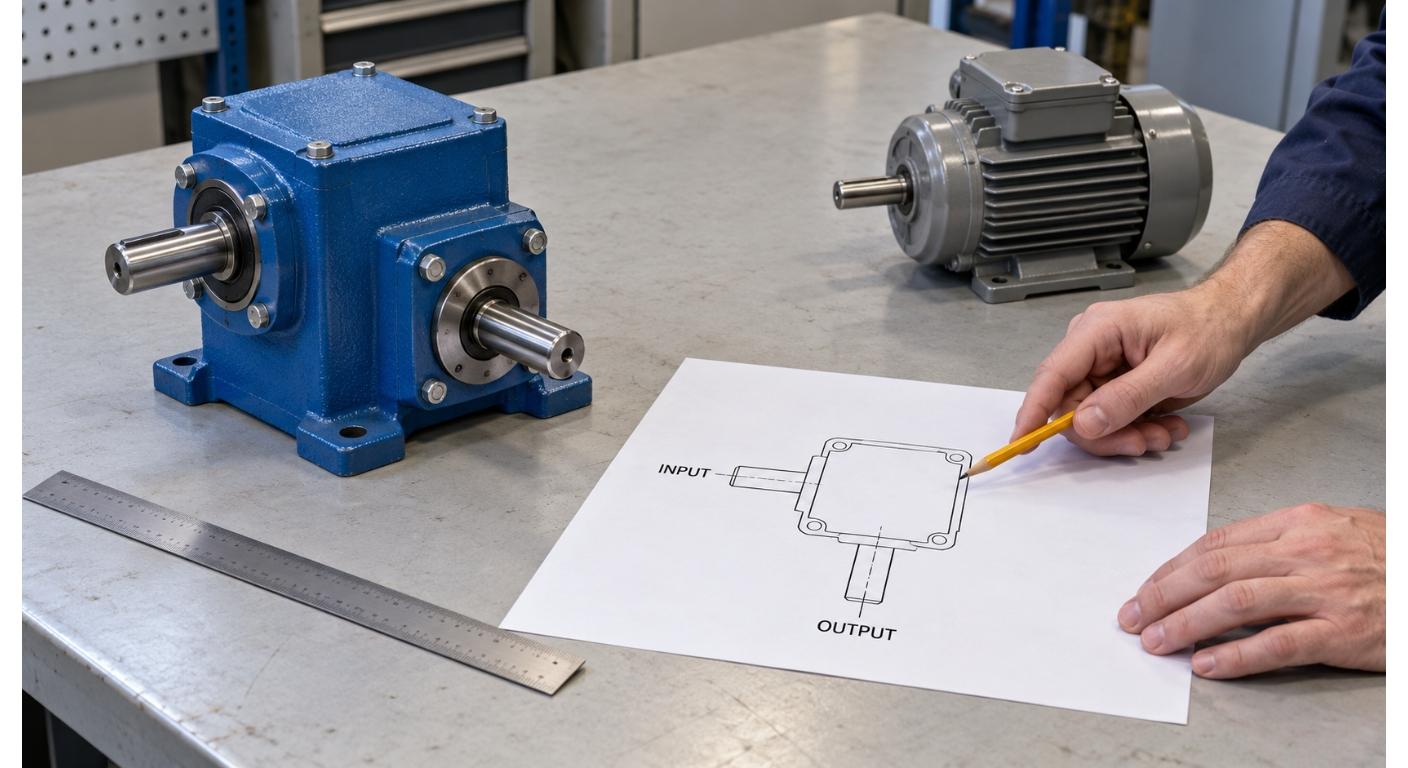
Planning a Bevel Reducer Installation: Turn Shaft Requirements Into a Practical Drive Layout
Oct 26, 2026
Choosing an Overhead Crane Gearbox by Its Hoisting or Travel Function
Oct 26, 2026
Replacing an Industrial Worm Gearbox: What to Keep and What to Reassess
Oct 25, 2026
“I need a 12V DC gear motor, 100W.”
This is one of the most common inquiries a DC gear motor supplier receives. It is also one of the most difficult to quote — because the same voltage and power can correspond to very different output speeds, torques and mechanical configurations depending on the motor/gearbox platform.
Why Voltage and Power Alone Are Not Enough
Two DC gear motors with the same voltage and power rating can have completely different performance characteristics:

- Different gear ratios mean different output speeds and torques. A 100W motor with a 10:1 ratio delivers high speed and low torque. The same motor with a 100:1 ratio delivers low speed and high torque. Both are “100W, 12V” — but they serve entirely different applications.
- Different duty cycles mean different thermal requirements. A motor that runs 10 seconds per minute can handle higher torque than one that runs continuously. Without knowing the duty pattern, the supplier cannot determine whether the selected frame size will overheat.
- Different mounting and shaft configurations mean the motor may not physically fit. A foot-mounted motor with a 10mm solid shaft cannot replace a flange-mounted motor with a 12mm hollow shaft, even if the electrical and performance specifications are identical.
The information that determines whether a motor is correct for an application goes beyond voltage and power. The checklist below covers the parameters that a supplier needs to provide an accurate recommendation.
Not sure where to start with your DC gear motor inquiry? Even without torque numbers, a clear description of what the motor drives and how it operates allows a supplier to estimate the rest. Send the application description, target output speed, and available supply voltage — we can help identify the remaining parameters you need before the full RFQ.
The DC Gear Motor RFQ Checklist: 10 Parameters
1. Application and Load Type
Why it matters: The load type determines whether the torque requirement is constant, variable, or shock-loaded. A conveyor drive has a different torque profile than a crusher or a packaging indexing mechanism. The supplier uses this information to assess whether the motor and gearbox are rated for the load characteristics.
If unknown, provide: A description of the equipment and what the motor drives. For example: “The motor drives a conveyor belt carrying 5kg packages at 30 rpm” — a one-sentence description that allows the supplier to estimate load type and torque. A simple mechanism sketch or photograph can also substitute for a formal load classification.
2. Target Output Speed (rpm)
Why it matters: The output speed at the gearbox shaft determines the required gear ratio. Without this value, the supplier cannot select between available ratio options.
If unknown, provide: The motor’s rated speed and the required reduction, or the linear speed of the driven component (e.g., conveyor belt speed in m/min) and the drum diameter, which allows the output rpm to be calculated.

3. Continuous and Peak Torque (N·m)
Why it matters: Continuous torque determines the motor frame size and gearbox rating. Peak torque (during startup or impact) determines whether the gearbox can handle momentary overloads without damage.
If unknown, provide: The load weight, the radius or lever arm, the friction coefficient (if applicable), and the mechanism type. A supplier can estimate the required torque from these values.
4. Supply Voltage and Controller Information
Why it matters: The supply voltage must match the motor’s winding. The controller’s current rating must handle the motor’s running current and startup (stall) current. If the controller is undersized, the motor may not start or may trip the controller’s protection circuits.
If unknown, provide: The available power supply specifications (voltage, current capacity) and whether the motor will be controlled by a switch, relay, PWM controller, or variable supply.
5. Duty Cycle and Starts per Hour
Why it matters: The operating pattern determines the motor’s thermal sizing. A motor that runs continuously needs a different thermal rating than one that runs 30 seconds on, 30 seconds off. Frequent starts impose additional thermal stress from the high startup current.
If unknown, provide: A description of the operating cycle — how long the motor runs, how long it rests, and how many times it starts per hour. Even a rough estimate (“runs about 5 minutes every 15 minutes, starts maybe 4 times an hour”) is more useful than “intermittent duty.”
6. Installation Envelope
Why it matters: The total length of the motor + gearbox assembly must fit within the available space. DC gear motors are often selected for compact installations, but the total length includes the motor body, gearbox housing, output shaft extension, and any terminal box or connector.
If unknown, provide: The available space dimensions (length, width, height) in the equipment where the motor will be installed.
7. Output Shaft and Mounting
Why it matters: The output shaft diameter, length, and keyway (or flat) must match the driven component’s coupling, sprocket, or pulley. The mounting type (foot mount, flange mount, or other) must match the equipment’s mounting interface.
If unknown, provide: The driven shaft diameter, the coupling or sprocket bore size, and a photograph or sketch of the mounting surface.
8. Environment (IP Rating, Temperature, Contamination)
Why it matters: Environmental conditions affect the motor’s sealing, insulation class, and lubricant selection. A motor in a clean, climate-controlled environment has different requirements than one exposed to dust, moisture, or temperature extremes.
If unknown, provide: A description of the installation environment — indoor or outdoor, exposure to dust or water, ambient temperature range, and any special requirements (food-grade, washdown, corrosive atmosphere).
9. Brake, Feedback, and Control Options
Why it matters: If the application requires a holding brake (to prevent back-driving under load), an encoder or Hall sensor (for position or speed feedback), or a specific control interface, these options must be specified at the inquiry stage. Not all motor series support all options, and some options affect the frame size or mounting arrangement.
If unknown, provide: A description of the functional requirements — does the motor need to hold position when powered off? Does the control system need speed or position feedback? Does the motor need to interface with a specific controller or communication protocol?
10. Quantity and Annual Demand
Why it matters: For OEM production, the quantity and annual demand determine whether a standard catalog model is appropriate or whether a custom configuration (specific winding, shaft, mounting, or ratio) is feasible. Customization feasibility and MOQ depend on the modification required, motor/gearbox platform and production tooling. Include prototype quantity and expected annual demand so the supplier can determine whether a standard or custom configuration is practical. Lead times for custom configurations are also longer than for standard models.
If unknown, provide: The project stage — prototype, pilot production, or full production — and the expected timeline.

New Project vs. Replacement: Different Data Needs
For a New Project
A new project inquiry should follow the 10-parameter checklist above, starting from the load and application requirements. The supplier uses these parameters to recommend a model from the available product range, or to propose a custom configuration if the requirements fall outside standard options.
For a Replacement
A replacement inquiry can start with the existing motor’s nameplate and physical dimensions, but should also include:
- Nameplate data: Brand, model number, rated voltage, power, speed, ratio, and any other markings.
- Mechanical dimensions: Output shaft diameter, length, and keyway. Center height (for foot-mounted motors). Flange dimensions (for flange-mounted motors). Bolt pattern and overall length.
- Photos: Nameplate photo, output shaft photo, mounting surface photo, and overall installation photo. These four photographs allow the supplier to verify the dimensions and identify the mounting configuration.
- Failure information: How long the motor lasted, what the failure mode was (overheating, bearing failure, brush wear, gearbox failure), and whether the application conditions have changed since the original motor was selected. This information helps determine whether a direct replacement is appropriate or whether a different specification is needed.
Bad RFQ vs. Good RFQ: A Comparison
Bad RFQ: “I need a 12V DC gear motor, 100W.”
This inquiry does not tell the supplier:
- What the motor drives (load type and torque requirements)
- What output speed is needed (ratio selection)
- How the motor is mounted (mechanical interface)
- How long the motor runs (thermal sizing)
- What environment it operates in (sealing and insulation)
The supplier must either ask follow-up questions (delaying the quote) or make assumptions (risking an incorrect recommendation).
Good RFQ: “I need a 12V DC gear motor for a conveyor drive. Output speed 30 rpm. Continuous torque 5 N·m with peak 8 N·m during startup. Duty: 30 minutes on, 10 minutes off, 6 starts per hour. Foot mounting with 8mm solid shaft. Ambient temperature 40°C, IP54. Quantity 500/year for OEM production.”
This inquiry gives the supplier everything needed to:
- Select the gear ratio (from output speed and motor rated speed)
- Verify the motor and gearbox torque capacity (from continuous and peak torque)
- Confirm thermal suitability (from duty pattern and ambient temperature)
- Match the mechanical interface (from shaft and mounting specifications)
- Assess OEM customization feasibility (from quantity and production requirements)
The result: a faster, more accurate quote with less risk of a mismatched recommendation.
Have a partial specification but missing some parameters? Send what you have — even if it is just the application description and voltage. We can identify which parameters are still needed and help estimate the missing values from the application information, so the RFQ is complete enough for an accurate model recommendation.
RFQ Template
The template below expands the 10 parameters above into a 15-item form — the additional items (controller type, starts per hour, project stage, and replacement-specific data) ensure the supplier has everything needed for both new and replacement projects. This template can be copied into an inquiry email or filled out and uploaded with drawings and photos:
| # | Parameter | Your Value |
| 1 | Application / load type | |
| 2 | Target output speed (rpm) | |
| 3 | Continuous torque (N·m) | |
| 4 | Peak / startup torque (N·m) | |
| 5 | Supply voltage (V DC) | |
| 6 | Controller type and current rating | |
| 7 | Duty: minutes on / minutes off | |
| 8 | Starts per hour | |
| 9 | Ambient temperature (°C) | |
| 10 | Output shaft diameter and type | |
| 11 | Mounting type (foot / flange / other) | |
| 12 | IP rating / environment | |
| 13 | Brake / feedback / control options | |
| 14 | Quantity / annual demand | |
| 15 | Project stage (prototype / production) |
For replacement projects, the nameplate data (items 16-18) may allow the supplier to fill in several of the parameters above (items 2-7) without additional input from you — so the effective workload is lower than it appears. Also add: | 16 | Existing motor brand and model | | | 17 | Existing motor nameplate data | | | 18 | Failure mode and timeline | |
Next Step: Send Your Inquiry With the Right Data
The single most valuable item is the application description — even without torque numbers, a clear description of what the motor drives and how it operates allows the supplier to estimate the rest. Start there, and fill in the rest as available.
If you have an existing motor nameplate or a drawing, upload it directly — a supplier can often extract most of the required parameters from these documents, saving you the time of filling out the full template.
If the torque value is not yet known, do not let that stop the inquiry. Send the load description (what the motor drives, the weight, the mechanism, the required speed) — a supplier can assist with estimating the required torque and then confirming the ratio and frame size.
For OEM projects, providing the target specifications, expected quantity, and timeline allows the supplier to assess whether a standard model or a custom configuration is the best fit — and to plan the production schedule accordingly.
Share on Social:


Contact Us
In This Article
Right Angle Geared Motor: Matching Electrical Supply, Variable Speed and Braking
Oct 26, 2026
Planning a Bevel Reducer Installation: Turn Shaft Requirements Into a Practical Drive Layout
Oct 26, 2026
Choosing an Overhead Crane Gearbox by Its Hoisting or Travel Function
Oct 26, 2026
Replacing an Industrial Worm Gearbox: What to Keep and What to Reassess
Oct 25, 2026