


 Home /
Industrial Gearbox Storage Before Commissioning: An OEM Preservation and Inspection Checklist
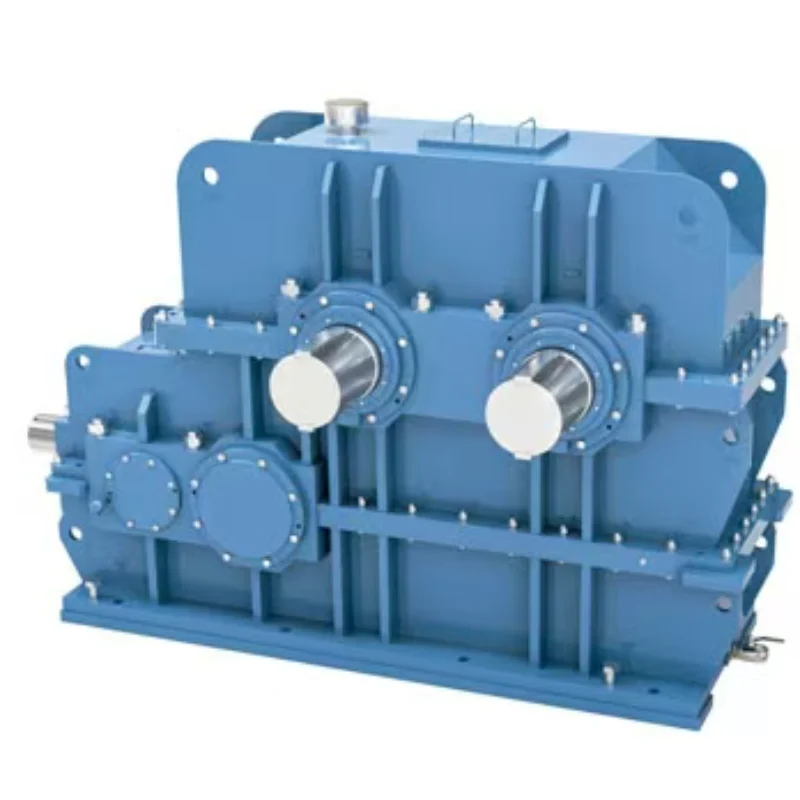
Rubber Internal Mixer Gearbox: Read the Batch Load Profile, Not Just Motor kW
Oct 22, 2026
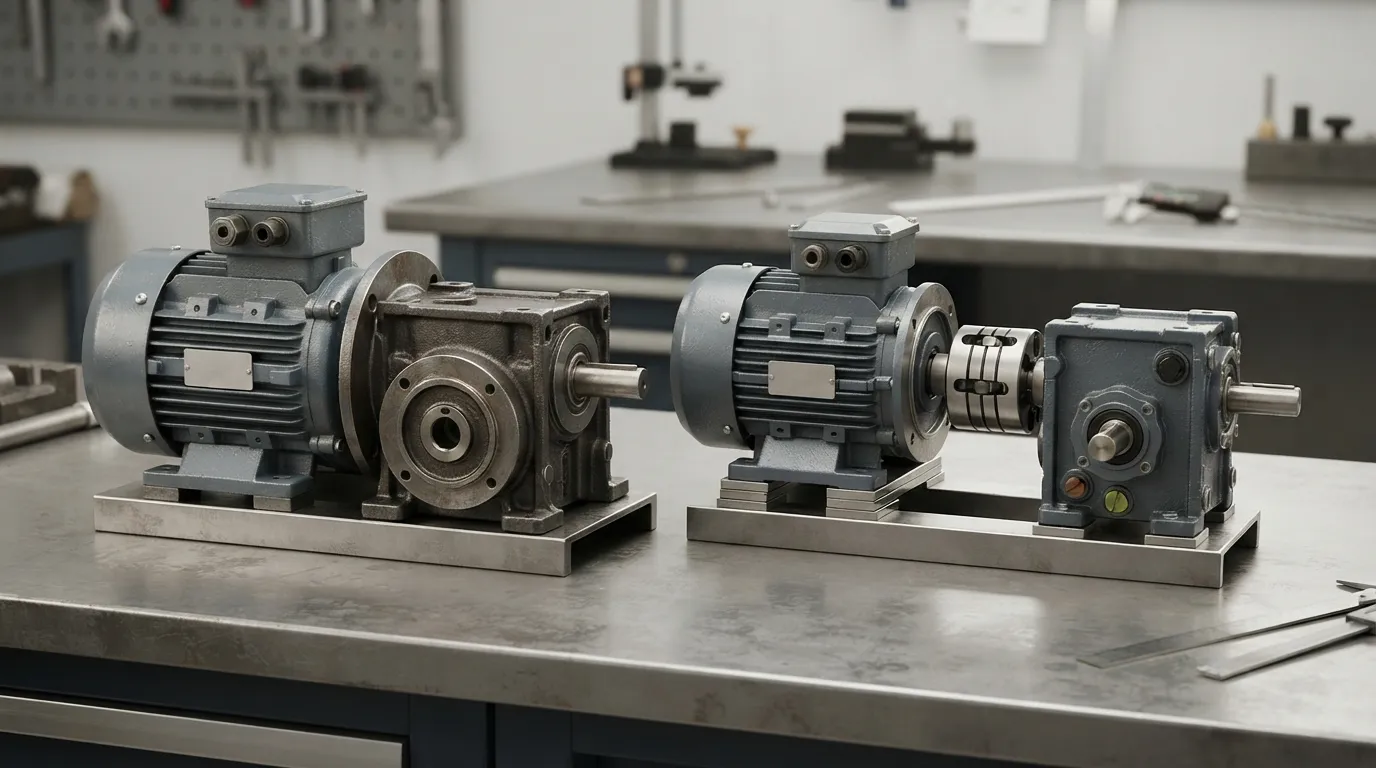
Hot Industrial Gearbox Coupling After Cold Alignment: What to Check
Oct 22, 2026
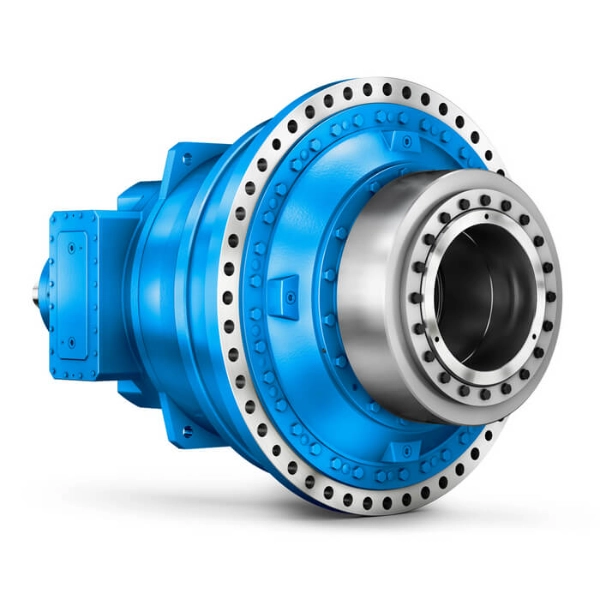
Hydraulic Slewing Drive Won't Rotate: Separate Motor, Brake and Gearbox Faults
Oct 22, 2026
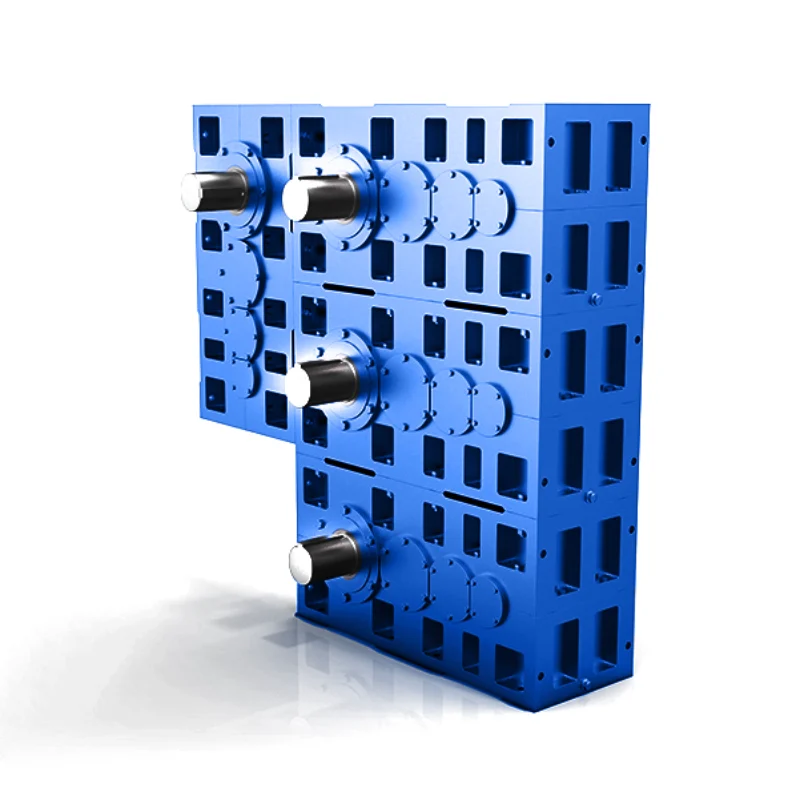
Calender Roll Gap Changes: What Must the Drive Coupling Accommodate?
Oct 22, 2026
A machine is finished in March and commissioned in September. The industrial gearbox was prepared for shipment at the factory, then it sat on a plant floor, in a warehouse, or in a shipping container while the rest of the project caught up. By the time the site is ready, the gearbox has spent six months in conditions nobody recorded, and the first question at startup is whether it is still in the condition it left the factory in.
Storage is a phase with its own risks: corrosion, seal aging, moisture ingress, changes in lubricant condition, and damage to protective closures. Some warning signs are visible at inspection; others require the checks specified for that model. Here is a checklist to move a gearbox from delivery to commissioning with a written record at each stage.
Why the Gap Between Delivery and Commissioning Matters
Storage can be planned into the delivery specification, but the permitted period depends on the preservation method, packaging, and environment. A unit prepared for a short indoor wait may need different protection from one held through a long shipping or construction delay.
Some risks build up gradually. Temperature changes and moisture can lead to condensation; lubricant and seals can deteriorate under unsuitable conditions. Exposed corrosion or a damaged wrap may be visible, while internal moisture may not be. Moisture control depends on the specified packaging and closure or breather arrangement, so adding a desiccant breather is not a universal storage solution.
The point is not to store a gearbox perfectly for an indefinite time. It is to know the gap, control the conditions you can control, and inspect before the unit is started.
Record the Packaging, Exposed Surfaces, and Condition on Arrival
The arrival inspection is the best time to establish a baseline before storage begins. Do it in a suitable receiving area, with adequate lighting and a camera.
Record the packaging condition first. Note punctures, water stains, crushed corners, or broken seals, because they point to what may be happening inside. Then photograph the exposed surfaces, the input and output shafts, the mounting faces, and any unpainted machined surface, so there is a dated image of the condition at arrival. Note the presence and integrity of any rust-preventive coating or protective wrap, since that coating is what protects the surfaces during the wait.
Record the unit identification at the same time: model, serial number, the delivery date, and the factory fill status. A gearbox may ship with an operating fill, a preservation treatment, or without oil. Record the documented fill and preservation status, plus the fitted breathers, sealing plugs, and shipping protection; do not assume a preservation fill is the operating fill. If something looks wrong, photograph it and raise it before the unit is moved into storage, not after.
Set the Storage Location, Support, and Environment
The storage location and the recorded conditions are practical controls during the gap, whether the unit stays with the OEM, a carrier, or the customer.
Position comes first. Choose a dry location, away from standing water and from roof leaks that only appear in heavy rain. Shade matters as well: direct sunlight and UV accelerate the aging of seals, so a gearbox should not sit in a spot the sun reaches all day. Where a manufacturer gives a storage temperature range, keep inside it, because both lubricant life and seal aging are temperature-dependent.
Support and vibration come next. Use a stable base and the supports specified for the unit; do not rest its weight on a shaft or breather. Keep it away from traffic, shocks, and vibration that can damage bearing contact surfaces. Protect exposed machined surfaces and retain the closures required by the preservation procedure. Some storage arrangements intentionally use sealed plugs instead of operating breathers. Check for leakage and damaged closures without opening a sealed unit merely to see the oil level.
Follow the Manufacturer's Preservation and Shutdown Procedure for the Specific Model
Here is the part that resists a single rule. Preservation and periodic attention depend on the gearbox type, its size, its lubricant, and its seals. Use the manual and order-specific preservation instructions for the actual unit.
Record the permitted storage period and environment for the preservation package supplied. Also record the inspection interval and any required renewal of external protection. If commissioning is delayed beyond that period, obtain an updated preservation plan before treating the original protection as still adequate.
Some larger gear units have a minimum load or other model-specific startup conditions. A generic instruction to run every gearbox unloaded after storage is therefore not suitable. Do not apply one rule across the whole product family. When a unit has been stored long enough to raise a question, the answer comes from its manual and, where required, from an oil check, not from a general rule of thumb.
Inspect and Prepare Before Installation
Move from the specified storage arrangement to the specified operating arrangement. Remove or change only the temporary protection identified in the installation instructions; permanent covers, seals, and plugs remain in place.
Remove the designated external wrap or transport protection and inspect accessible shafts, mounting faces, and seals. Remove rust-preventive coating from the surfaces specified for assembly using a method compatible with the seals. Internal inspection is only needed where the applicable instructions or a condition assessment call for it, and should be handled by qualified personnel. For units with serviceable oil, verify the operating oil type and level in the specified mounting position, and sample, top up, or change it where the procedure requires. Do not open a sealed, lifetime-lubricated unit simply to follow a generic checklist.
Then establish the correct operating breather arrangement, if the unit uses one. Replace only the designated preservation or transport sealing plug with the specified breather, in the specified position. Service the breather as instructed, secure the remaining plugs to their requirements, and remove any identified transport lock. A blocked operating breather can contribute to pressure buildup, but a sealed storage plug is not a fault while the approved preservation procedure requires it. Only when the model-specific checks are complete should the unit move toward commissioning.
Storage-to-Commissioning Handover Record
A record turns a sequence of informal checks into something the site can sign off.
| Stage | What to record | Source | Owner |
|---|---|---|---|
| Arrival | Model, serial, delivery date, packaging condition, factory fill status | Delivery note, photos | Receiving |
| Arrival | Exposed surfaces and rust-preventive coating photographed | Arrival photos | Receiving |
| Storage | Location, conditions, support and preservation status | Site procedure | Stores |
| Storage | Preservation method and any periodic attention | Manufacturer's manual | Maintenance |
| Pre-installation | Oil level and condition, top-up or change | Manufacturer's manual, oil check | Maintenance |
| Pre-installation | Designated temporary protection changed; permanent closures secured | Assembly instruction | Mechanical |
| Pre-installation | Operating breather fitted/serviced if specified | Manufacturer's manual | Maintenance |
| Commissioning | Startup conditions confirmed for this model | Manufacturer's manual | Commissioning |
| Handover | All items closed, responsibility transferred to site | Handover sheet | Project |
With this in place, the condition at startup is a documented state, not a guess.
FAQ
Can a gearbox that has sat in storage for a long time simply be switched on? Not as a default. Confirm the preservation record and the model-specific startup procedure. Where the design permits oil servicing, check or sample the oil as required by that procedure and the recorded storage conditions. An oil-level check alone does not replace the other installation and startup checks.
Should a stored gearbox shaft be rotated periodically? Follow the manufacturer's manual for the specific model. Where the preservation instructions call for shaft rotation, follow the specified method and schedule; where they do not, do not invent one. Storage temperature, storage duration, and unit type all affect whether periodic attention is needed.
Technical References
Examples of model-specific storage and startup requirements appear in SEW-EURODRIVE’s X..e Operating Instructions, sections 3.8, 3.9, 6.3.2 and 7.1, and Neugart’s Gearbox Operating Manual, section 3.1. Their storage periods, preservation methods, and service limits apply to the products covered by those documents.
Next Step
If a gearbox on your project has sat in storage longer than planned, send us the model, the storage duration, and the conditions it was kept in. Ask us to review the applicable pre-commissioning checks against those inputs and the available product documentation. Explore our industrial gearboxes, or contact us to start a configuration review.
Share on Social:


Contact Us
In This Article
Rubber Internal Mixer Gearbox: Read the Batch Load Profile, Not Just Motor kW
Oct 22, 2026
Hot Industrial Gearbox Coupling After Cold Alignment: What to Check
Oct 22, 2026
Hydraulic Slewing Drive Won't Rotate: Separate Motor, Brake and Gearbox Faults
Oct 22, 2026
Calender Roll Gap Changes: What Must the Drive Coupling Accommodate?
Oct 22, 2026