


 Home /
Belt Conveyor Won't Restart Under Load: Field Checks Before Resizing the Gear Motor
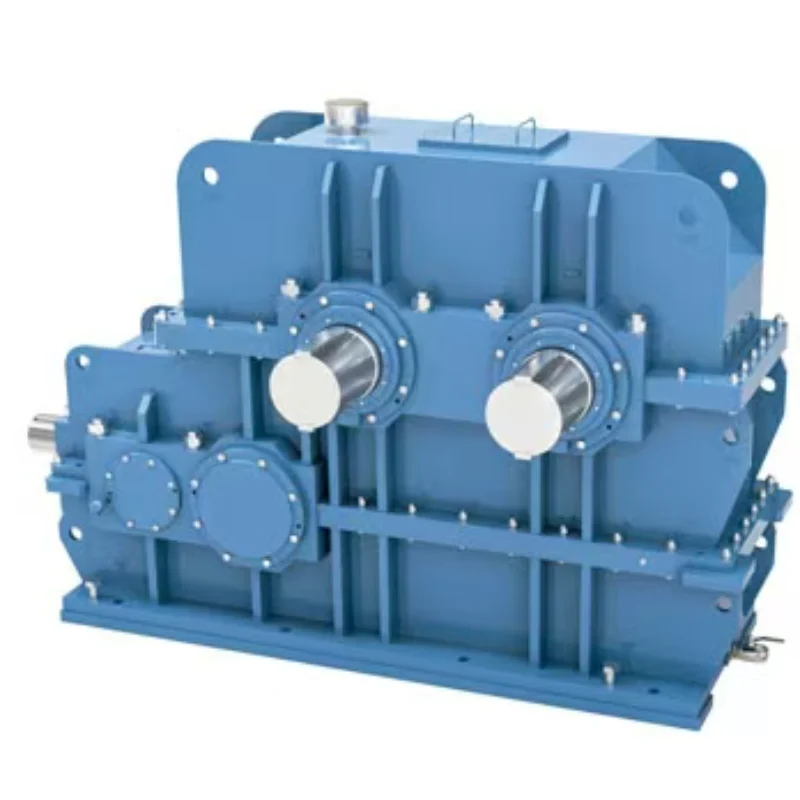
Rubber Internal Mixer Gearbox: Read the Batch Load Profile, Not Just Motor kW
Oct 22, 2026
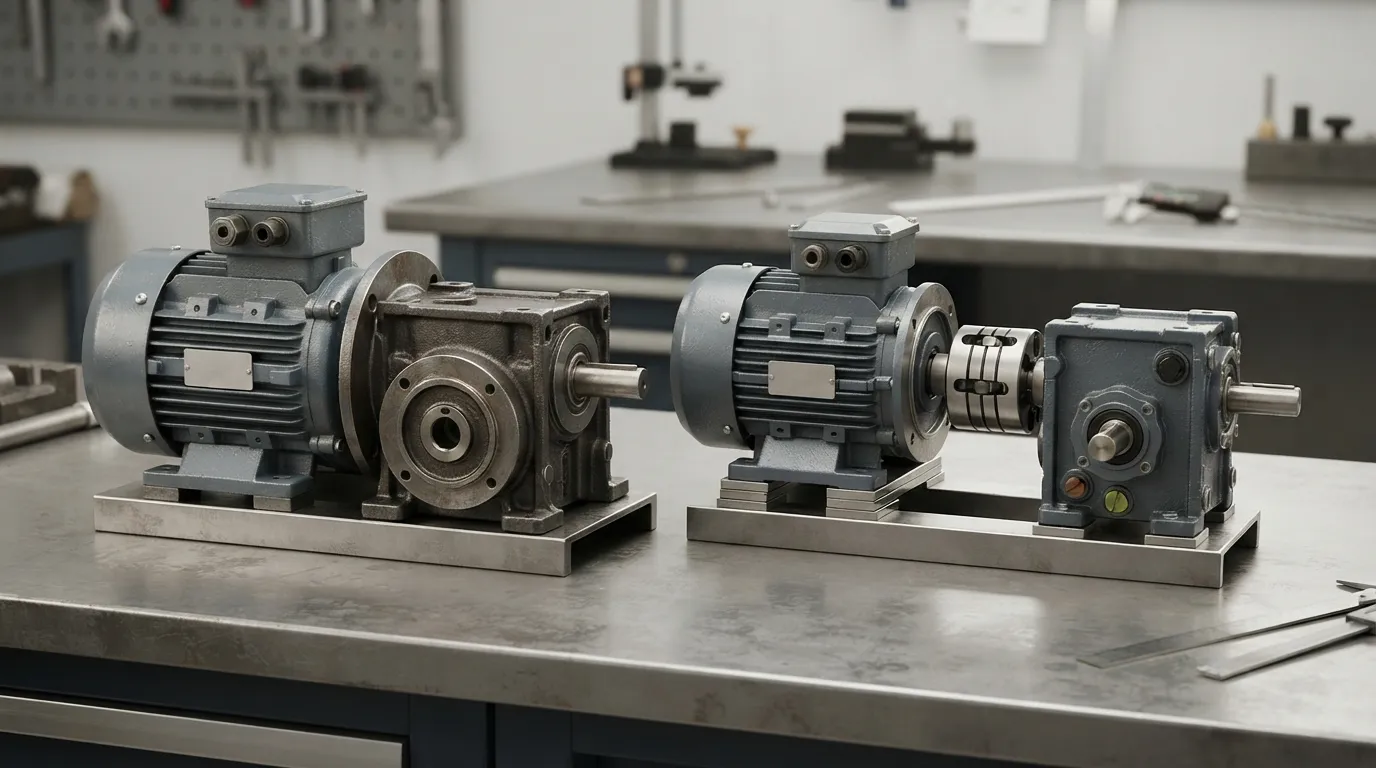
Hot Industrial Gearbox Coupling After Cold Alignment: What to Check
Oct 22, 2026
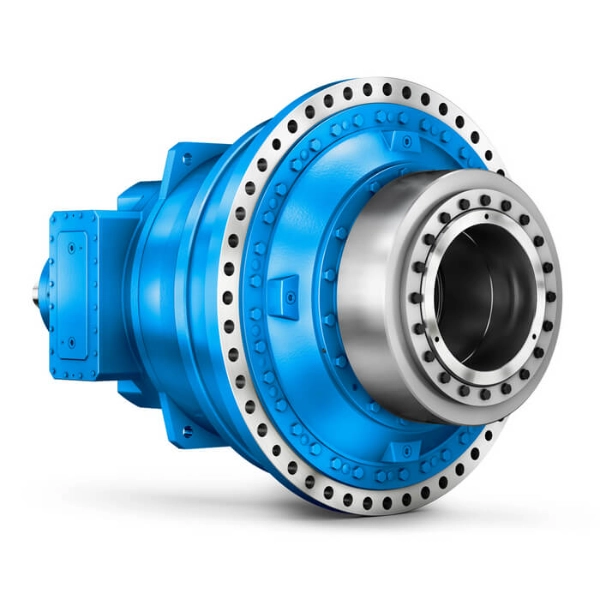
Hydraulic Slewing Drive Won't Rotate: Separate Motor, Brake and Gearbox Faults
Oct 22, 2026
Calender Roll Gap Changes: What Must the Drive Coupling Accommodate?
Oct 22, 2026
Consider a conveyor that runs empty without a problem. It runs loaded for an hour, then stops at a full load point, and when the operator presses start again, nothing moves. The motor hums, or the belt slips, or the drive trips on overload. The first reaction is to blame the gear motor and order a bigger one. That decision is premature until the cause of the failed restart is known.
A restart under load can demand more torque than steady running, because the drive has to overcome breakaway resistance and accelerate the loaded belt. Before the gear motor is resized, the field checks below establish what is actually holding the belt back, and whether the problem is the drive at all. Use existing operating records first; do not repeatedly force a failed start to collect data. Any further observation or testing needs the site's approved procedure and qualified personnel.
Separate a Stalled Motor from a Slipping Belt
The two failures look similar from the control panel and mean very different things, so tell them apart first.
With a stalled motor, the shaft does not turn despite a drive command. A directly connected induction motor may draw high current; a VFD may limit current or trip, so locked-rotor current is not a universal diagnostic value. With traction slip, the drive pulley turns but the belt does not follow at the expected speed. Use recorded speed data or safe observation by qualified personnel with guards in place. Never approach moving nip points, remove guards, or adjust tension during that observation.
A third case is slow acceleration: the belt moves, but cannot reach its commanded speed. Excess drag, insufficient available torque, current limiting, or an unsuitable acceleration ramp can look similar. If the motor turns but the drive pulley does not, the intervening gearbox or coupling also needs an isolated inspection. Record which shaft actually turns before assigning a cause. Resizing too soon risks using extra torque to conceal a mechanical fault.
Check Mechanical Resistance with the Drive Isolated
Before a hands-on mechanical inspection, authorized personnel must isolate all relevant energy sources and verify isolation under the site procedure. Control stored belt tension, take-up or counterweight energy, and possible rollback or material movement as well. Stopping the motor alone does not make the conveyor safe to touch.
Look for accumulated material first. Spillage at transfer points, buildup under the belt, and material packed around the tail pulley can add drag that is easy to miss in an empty-running check. Then check tension against the conveyor manufacturer's method: too much can overload bearings, while too little can allow traction slip. Check the idlers and the pulleys for a failed bearing or a seized roller, which turns a free-running conveyor into a heavy one. Look for tracking and rubbing evidence. On an incline, record the gradient, direction, and actual load distribution; the gravity component belongs in the design load. A loaded incline is not automatically an operating mistake.
For a loaded stop, record where material accumulates and whether it settles or packs into a skirt or loading zone. The entire material weight is not automatically the resisting belt force: friction, geometry, gradient, and local pressure determine that resistance. Compare existing empty and loaded restart records, including whether the equipment was cold or already warm.
Have a Qualified Person Read the Electrical Data
Electrical checks belong to a qualified person. Start with fault history and existing measurements, not parameter changes.
Record the voltage, current, speed command and feedback, start duration, and fault timing available from the drive or approved monitoring system. Compare them with the motor and drive ratings, and note voltage drop or phase imbalance where measured. Record the VFD acceleration ramp, current or torque limits, and motor configuration. A fault code identifies a detected condition, not necessarily its root cause. Any energized measurement requires the site's electrical safety procedure; opening a panel is not a routine operator check.
None of this is a reason to bypass, disable, or raise a protection setting to force a start. Protection must remain effective; repeated stalled starts can overheat equipment even if a trip eventually operates. The purpose of reading the data is to know what the drive is actually asked to do, so the sizing review has real numbers.
Compare Breakaway and Acceleration Demand Against the Drive
With mechanical resistance cleared and electrical data in hand, compare what the conveyor needs against what the drive can give.
Keep resistance torque and acceleration torque separate. Resistance includes bearing and belt drag, loading-zone forces, and the gravity component on an incline. Determine the breakaway value rather than assuming it equals running resistance. Acceleration torque depends on equivalent inertia and the actual speed ramp. At one common shaft, the basic balance is T_required(t) = T_resistance(t) + J_equivalent × alpha(t), with transmission losses accounted for consistently. Use N·m for torque, kg·m² for inertia, and rad/s² for angular acceleration. Compare the resulting demand throughout the start with the motor-drive torque available at that speed, its permitted duration, and the gearbox limits.
Here is the trap in resizing: a gearbox service factor is not automatically a substitute for calculating acceleration. Establish the physical torque demand first, then apply the selected manufacturer's rating method and required margins. If a documented starting allowance already represents the same acceleration demand, reconcile the methods instead of adding that allowance twice. Conversely, do not remove a required service factor merely because inertia was calculated.
Count each physical inertia once as well. If belt and material translation has already been represented as equivalent inertia at the chosen shaft, do not add a second acceleration-force term for the same mass. Include the pulleys and other rotating components at that same reference shaft.
Observation, Cause, and Evidence Table
| Observation at restart | Possible cause | Check to confirm | Evidence to record |
|---|---|---|---|
| Motor commanded on, no rotation | Mechanical obstruction, supply fault, insufficient torque or current limiting | Qualified electrical review and isolated mechanical inspection | Actual shaft motion; current, voltage and fault timing |
| Pulley turns, belt does not follow | Traction slip | Guarded observation or speed records; isolated tension and pulley inspection | Pulley/belt speed difference; tension and surface condition |
| Drive trips immediately | Electrical fault, overload or configured limit | Qualified person reads fault history and approved measurements | Exact fault code, current and trip timing |
| Belt accelerates too slowly | Excess drag, inadequate torque or ramp/limit interaction | Compare speed and current records; inspect mechanics after isolation | Acceleration time, loading and resistance findings |
| Starts empty, not loaded | Added resistance, inertia, traction or thermal demand | Compare documented empty/loaded and cold/warm cases | Load distribution, gradient, temperature and start duration |
Decide Between Adjustment, Repair, and Resizing
The table points to one of three outcomes, and they are not interchangeable.
Adjustment fits when an avoidable condition is identified, such as incorrect tension, tracking, or an unsuitable ramp; any change needs engineering review and controlled verification. Repair fits when a damaged component causes the resistance. Clearing material or repairing parts remains isolated maintenance work. Resizing fits when the documented required duty exceeds the verified drive capability after those issues are addressed. Check motor, VFD, gearbox, coupling, traction, thermal duty, and protection together. If loaded restarts are required by the process, the selected system must support that duty; simply asking operators to empty the conveyor is not a substitute.
FAQ
Should I just fit a larger gear motor if the conveyor will not restart loaded? Not first. Separate loss of traction, mechanical resistance, electrical faults, and inadequate available torque using the evidence above. A larger drive can leave the cause unresolved or overload other components. A loaded incline may be an intended duty, so compare actual requirements with the complete drive system before changing its size.
If the selection already includes a starting factor, do I add the acceleration torque on top? Check what the factor means. Acceleration demand must be accounted for, while a service factor may cover a separate rating or duty requirement. Calculate the physical demand and follow the manufacturer's selection method. Avoid counting the same inertia or documented allowance twice; do not assume that any factor labeled "service" already includes acceleration.
Technical References
Oriental Motor’s Technical Reference, pages F-3 to F-5 and F-8 to F-9, illustrates separate load-torque, inertia, and motor-capability checks. Dorner’s 3100 Series maintenance manual gives examples of isolation and belt-tension precautions. Their model values do not apply automatically to another conveyor. For U.S. general industry, OSHA’s hazardous-energy guidance also addresses unexpected movement and stored energy; use the procedures and requirements applicable to the actual site.
Next Step
If a belt conveyor will not restart under load and you want the drive checked rather than guessed at, send us the conveyor layout, the belt loading at the stop point, the motor and gearbox nameplate, and the drive settings and fault history. Ask us to review the breakaway and acceleration demand against the available drive configurations. Explore our conveyor system solutions, or contact us to start a configuration review.
Share on Social:


Contact Us
In This Article
Rubber Internal Mixer Gearbox: Read the Batch Load Profile, Not Just Motor kW
Oct 22, 2026
Hot Industrial Gearbox Coupling After Cold Alignment: What to Check
Oct 22, 2026
Hydraulic Slewing Drive Won't Rotate: Separate Motor, Brake and Gearbox Faults
Oct 22, 2026
Calender Roll Gap Changes: What Must the Drive Coupling Accommodate?
Oct 22, 2026