


 Home /
 Why Double Shaft Mixer Gearbox Prices Vary So Much
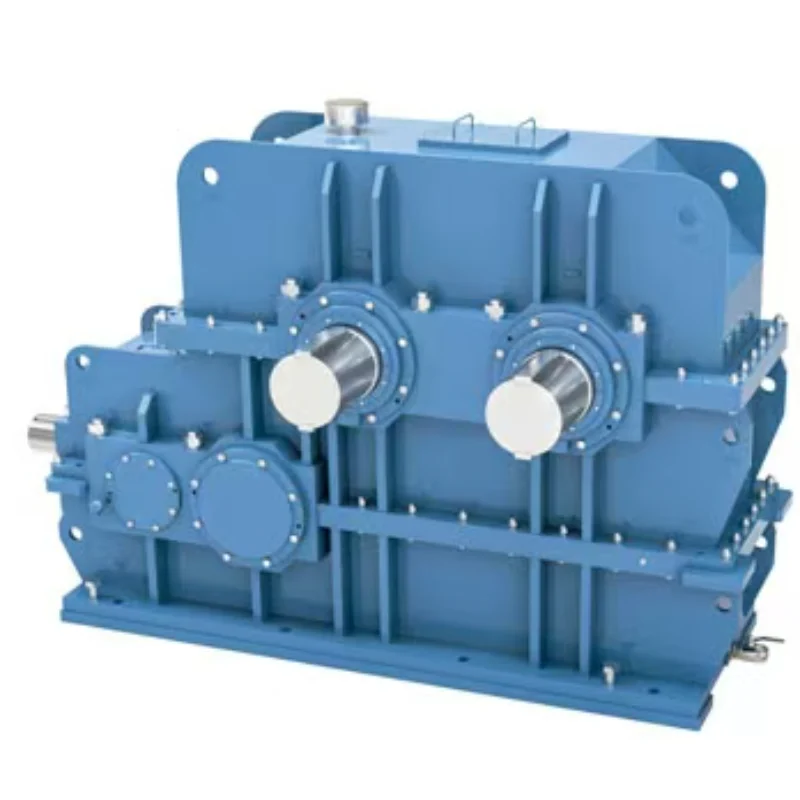
Rubber Internal Mixer Gearbox: Read the Batch Load Profile, Not Just Motor kW
Oct 22, 2026
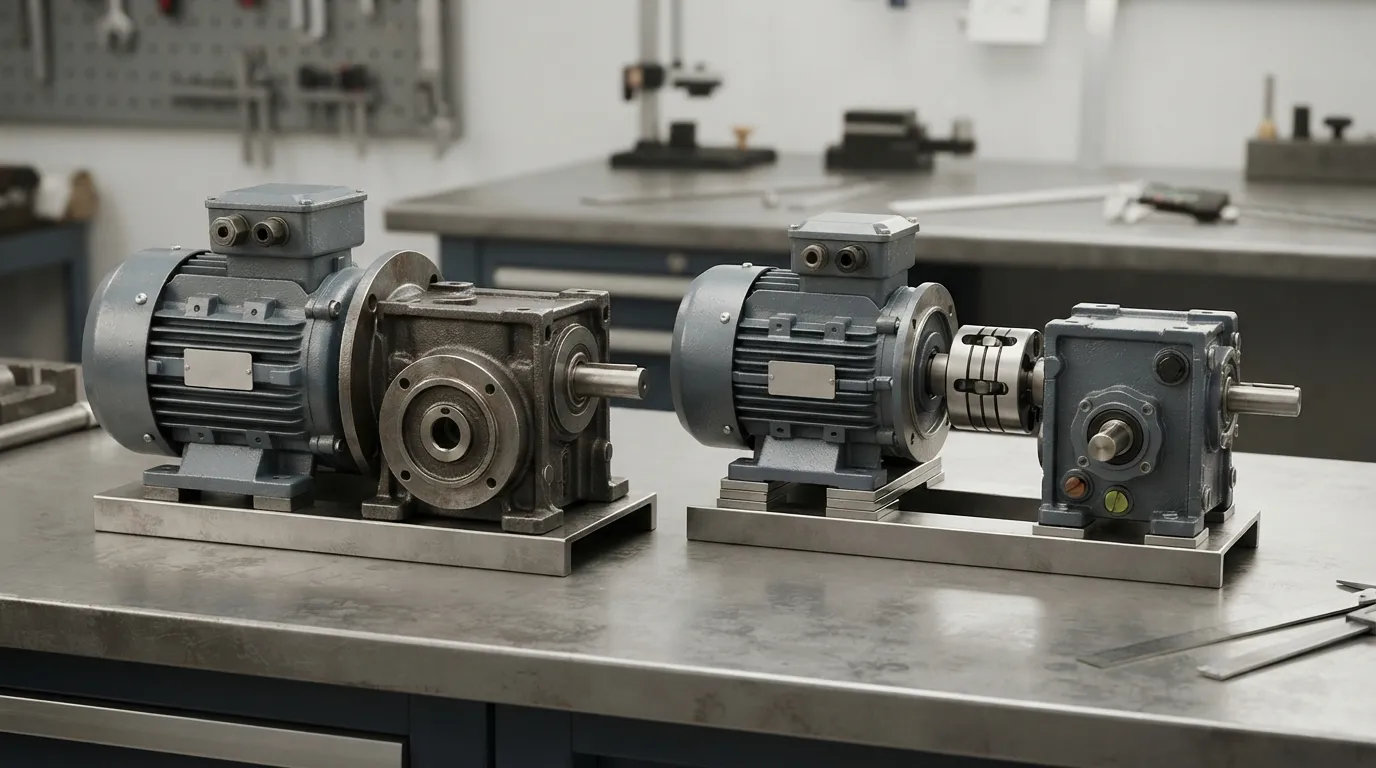
Hot Industrial Gearbox Coupling After Cold Alignment: What to Check
Oct 22, 2026
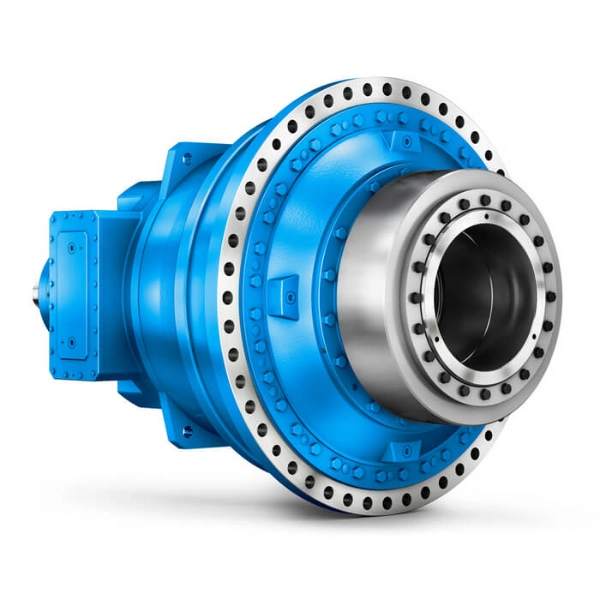
Hydraulic Slewing Drive Won't Rotate: Separate Motor, Brake and Gearbox Faults
Oct 22, 2026
Calender Roll Gap Changes: What Must the Drive Coupling Accommodate?
Oct 22, 2026
When a buyer receives three quotations for the same double shaft mixer gearbox model, the prices can differ by 2-3 times or more. The natural reaction is to question the higher prices. Are the expensive suppliers simply charging more for the same product? Is the cheapest option the best deal?
In most cases, the answer is neither. The price difference is not primarily a difference in profit margin. It is a difference in configuration — and configuration differences in a gearbox are not always visible on the surface. Two gearboxes that look identical from the outside, carry the same model number, and are paired with the same motor power can be built with completely different gear materials, heat treatment processes, bearing brands, accuracy grades, and sealing designs. These differences determine how long the gearbox will last, how quietly it will run, and whether it can survive the working conditions of a double shaft mixer application.
This article breaks down the main factors that drive gearbox price variation, explains what is behind a low quotation, and provides a framework for comparing quotations based on configuration — not just on the number at the bottom of the page.

Why Similar Gearbox Names Do Not Mean Similar Configurations
The model name of a gearbox tells you very little about what is inside. A model number typically refers to the housing size or the series designation — not the gear material, the heat treatment, the bearing grade, or the manufacturing precision. This means that two suppliers quoting the “same” gearbox may be offering fundamentally different products.
Consider gear material as an example. 20CrMnTi is the most widely used carburizing gear steel in China, specified under national standard GB/T 3077. The “20” indicates an average carbon content of approximately 0.20%, providing core toughness. Chromium and manganese improve hardenability and strength. A small amount of titanium — the critical element — forms stable titanium carbide particles that pin grain boundaries during high-temperature carburizing at 900°C and above, preventing grain growth and preserving toughness after heat treatment.
However, two gearboxes can both claim “20CrMnTi gears” and still differ dramatically in the following ways:
| Hidden Difference | Option A (Lower Cost) | Option B (Higher Cost) | Impact on Performance |
| Case hardening depth | 0.8 mm effective | 1.8 mm effective | Deeper case = longer wear life under heavy load |
| Gear accuracy grade | Grade 8 (typically achieved by milling) | Grade 5-6 (typically achieved by grinding after heat treatment) | Higher grade = lower noise, longer life, smoother meshing |
| Grinding after heat treatment | No | Yes | Ground gears run quieter and last significantly longer |
| Housing material | HT200 cast iron | HT250 high-strength cast iron | Higher grade iron = better load capacity and rigidity |
| Bearing brand | Domestic HRB / ZWZ | NSK / SKF / FAG | Premium bearings = higher reliability and longer service life |
None of these differences are visible in a product photo. None of them appear in a model number. But they directly determine whether the gearbox will run for 5,000 hours or 30,000 hours in a mixer application — and they explain a significant portion of the price gap between quotations.

This is why comparing gearbox prices without comparing configurations is a misleading exercise. The real question is not “why is this one more expensive?” but “what configuration differences account for the price gap?”
Main Factors That Affect Gearbox Price
Seven primary factors determine the price of a double shaft mixer gearbox. Understanding these factors allows buyers to read a quotation as a configuration statement, not just a number.
| Factor | How It Affects Price | Option A | Option B |
| Gear material | Determines strength and wear resistance | 45 steel or 40Cr, quenched and tempered (surface hardness typically 217-302 HBW) | 20CrMnTi, carburized and quenched (surface hardness HRC 58-62) |
| Heat treatment | Determines service life and load capacity | Normalizing or quenching and tempering | Carburizing + quenching + tempering (deeper case, higher hardness) |
| Bearing brand | Determines reliability and maintenance interval | Domestic brands (HRB, ZWZ) | Premium brands (NSK, SKF, FAG) |
| Housing material | Determines load capacity and structural rigidity | HT200 cast iron | HT250 high-strength cast iron |
| Output shaft design | Determines customization cost | Standard solid shaft | Custom hollow shaft, spline shaft, or extended shaft |
| Sealing design | Determines performance in dusty environments | Standard oil seal | Custom sealing with dust protection |
| Gear accuracy | Determines noise, efficiency, and service life | Grade 8 (typically milled, no grinding) | Grade 5-6 (typically ground after heat treatment) |
Each of these factors represents a real cost difference in materials, processing time, and equipment requirements. For example, grinding gear teeth after heat treatment requires specialized gear grinding equipment and adds significant processing time — but it improves surface quality, reduces operating noise, and extends gear life. A supplier who skips this step can offer a lower price, but the buyer pays for it through shorter service life and higher maintenance costs.

The gear material comparison deserves closer attention, because it is the factor most commonly obscured by generic labeling:
| Material | Heat Treatment | Surface Hardness | Cost Level | Typical Application |
| 45 steel | Quenched and tempered | Typically 217-297 HBW | Low | Light load, low speed, non-critical applications |
| 40Cr | Quenched and tempered | Typically 262-302 HBW | Medium-low | Medium load, general industrial use |
| 20CrMnTi | Carburized + quenched | HRC 58-62 | Medium | Heavy load, shock load, mainstream choice for mixer gearboxes |
| 17CrNiMo6H | Carburized + quenched | HRC 58-62 | High | Extra-heavy load, large-scale gearboxes |
| 20CrMnMo | Carburized + quenched | HRC 58-62 | Medium-high | Cylindrical gears in reduction gearboxes |
A gearbox for a double shaft mixer handling dry mortar at 1,400 kg/m³ bulk density needs carburized 20CrMnTi gears with adequate case depth — not because it is a premium option, but because the application demands it. A supplier quoting a lower price may be substituting 40Cr or even 45 steel, which will fail prematurely under the same load. The price difference is not profit — it is material.
The Hidden Cost Behind a Cheap Gearbox
The previous section listed the configuration differences. This section explains what happens when those differences meet real working conditions.
Based on industry case studies, consider a dry mortar plant that ordered two gearboxes from different suppliers under the same model number. After approximately 14 months of continuous operation, the cheaper unit developed gear tooth pitting and required full replacement — the case hardening depth was 0.8 mm. The other unit, with 1.8 mm case depth and ground teeth, showed no visible wear. The price difference between the two units was significant — but the cost of the unplanned replacement, including downtime, re-installation, and lost production, was far greater than the initial savings.

This is not an isolated pattern. When configuration differences meet real working conditions, the consequences are predictable:
| Hidden Cost | What Happens | Which Configuration Gap Caused It |
| Downtime | Gearbox fails unexpectedly, production stops | Gear material: 45 steel instead of 20CrMnTi fails under heavy load |
| Re-installation | Replacement gearbox must be mounted, aligned, and coupled | Wrong sizing: gearbox selected by motor power alone, undersized for actual load |
| Spare parts shortage | No drawings or parts list available for the failed unit | No drawing support: supplier did not provide technical documentation |
| Poor sealing | Dust ingress in powder mixing applications contaminates lubricant | Sealing design: standard oil seal instead of dust-protected sealing |
| Premature wear | Gears show pitting or scuffing within first year | Case depth: 0.8 mm instead of 1.8 mm, or no grinding after heat treatment |
| No after-sales response | Supplier cannot or will not provide technical support | Supplier selection: price-only supplier with no technical support capability |
In a double shaft mixer application, these costs compound quickly. Mixer gearboxes typically operate in dusty environments with heavy shock loads and continuous duty cycles. Based on industry experience, a gearbox that costs significantly less upfront but fails within the first year — instead of lasting three or more years under the same conditions — has cost the buyer far more in downtime, re-installation, and lost production than the initial savings.
The total cost of ownership — not the unit price — is the number that matters. A gearbox built with carburized 20CrMnTi gears, ground to grade 5-6 accuracy, running on NSK or SKF bearings, housed in HT250 cast iron, and sealed for dusty environments will cost more upfront. It will also run longer, quieter, and more reliably under the same working conditions. The price difference is not a premium for a brand name — it is the cost of the materials and processes required to build a gearbox that can actually handle the job.
Questions to Ask When Comparing Quotations
When evaluating multiple gearbox quotations for a double shaft mixer project, the goal is not to find the cheapest offer — it is to understand what each quotation actually includes. The following questions help reveal the configuration behind the price:
1. What gear material and heat treatment are used? Ask specifically: Is the gear material 20CrMnTi or another steel? Is it carburized and quenched, or only quenched and tempered? What is the surface hardness range? A supplier who cannot answer these questions clearly is either not the manufacturer or is using lower-grade materials without disclosing it.
2. What is the gear accuracy grade, and are the teeth ground after heat treatment? Milled teeth at grade 8 and ground teeth at grade 5-6 have very different noise levels, efficiency, and service life. Grinding after heat treatment is a significant cost driver — its absence explains part of the price gap.
3. What bearing brands are used? NSK, SKF, and FAG bearings cost more than domestic alternatives, but they provide higher reliability and longer maintenance intervals. Confirm the brand and whether the bearings are sourced from authorized channels.
4. What is the housing material? HT200 and HT250 cast iron have different load capacities. For heavy-duty mixer applications, HT250 is the minimum recommended grade. A lower quotation may reflect a lighter housing that cannot handle the same structural loads.
5. What sealing design is used for dusty environments? Standard oil seals may be adequate for clean environments, but powder mixing applications require additional dust protection. If the supplier does not ask about your environmental conditions, they may not be accounting for this in the design.
6. Is a detailed configuration sheet provided with the quotation? A professional supplier should provide a configuration sheet listing gear material, heat treatment, bearing brand, oil seal brand, lubricant grade, and housing material — not just a model number and a price. If the quotation contains only a price and a delivery time, you cannot compare it meaningfully with other offers. A minimum configuration sheet should look like this:
| Item | Specification |
| Gear material | 20CrMnTi |
| Heat treatment | Carburized + quenched |
| Surface hardness | HRC 58-62 |
| Gear accuracy grade | 5-6 (ground teeth) |
| Bearing brand | NSK / SKF |
| Housing material | HT250 |
| Oil seal brand | NAK / KSK |
| Lubricant grade | VG220 |
If a supplier cannot or will not provide this level of detail, the quotation is incomplete — and the price cannot be meaningfully compared with one that includes full configuration transparency.
7. What is the warranty period and what does it cover? A 12-month warranty is standard for industrial gearboxes, but the scope matters. Does it cover gear failure under normal operating conditions? Does it include replacement or repair only? A supplier confident in their configuration will provide clear warranty terms.
How Mingye Helps Buyers Compare Configuration, Not Only Price
When buyers send Mingye Machinery their working conditions and quotation details, our team does not simply offer another price. We help review the configuration behind each quotation — identifying whether the price difference comes from gear material, heat treatment, bearing selection, accuracy grade, or customization requirements.
Our gearboxes are built with 20CrMnTi carburized gears, heat-treated to HRC 58-62 surface hardness, and finished on NILES gear grinding machines for grade 5-6 accuracy. Shafts are machined on OKUMA CNC turning centers, and housings are precision-machined on FEELER vertical machining centers. Every quotation includes a detailed configuration sheet specifying gear material, heat treatment process, bearing brand, oil seal brand, and lubricant grade — so buyers can compare configuration, not just price.
Transparency allows buyers to compare configuration, not just price — and that comparison leads to better purchasing decisions. When a buyer can see exactly what is inside the gearbox, they can evaluate whether the price reflects the materials and processes required for their application, or whether it reflects a configuration gap that will surface later as downtime and replacement costs.
If you are comparing gearbox quotations, send us the specifications and working conditions. Mingye Machinery can help you check whether the price difference comes from configuration, material, or customization requirements — before you place the order.
FAQ
Why can two gearboxes with the same model number have very different prices?
The model number typically refers to the housing size or series designation, not the internal configuration. Two gearboxes with the same model name can differ in gear material (45 steel vs. 20CrMnTi), heat treatment (quenching and tempering vs. carburizing), gear accuracy (grade 8 milled vs. grade 5-6 ground), bearing brand (domestic vs. NSK/SKF), and housing material (HT200 vs. HT250). These differences are not visible externally but directly affect service life, noise, and reliability — and they account for much of the price gap.
What is the most important factor to check when comparing gearbox prices?
Gear material and heat treatment are the most critical, because they determine whether the gearbox can handle the actual load. 20CrMnTi with carburizing and quenching provides HRC 58-62 surface hardness — suitable for heavy-duty mixer applications. If a supplier cannot confirm the gear material or heat treatment process, the lower price may reflect a material substitution that will fail under real working conditions. Always ask for a configuration sheet, not just a price.
Is a more expensive gearbox always better?
Not necessarily — but a higher price should be explainable by configuration differences. If the price gap comes from gear grinding, premium bearings, deeper case hardening, or better sealing design, the higher cost is justified by longer service life and lower maintenance. Conversely, a higher price is not automatically justified — always verify that the configuration matches the price by requesting a detailed specification sheet. Some suppliers may quote premium materials but deliver standard ones, or list NSK bearings while actually using domestic alternatives. The goal is to compare configuration, not just price — and to understand what each quotation actually includes.
How much can gearbox prices vary for the same application?
Price variation of 2-3 times is common for gearboxes in the same model range. A significant portion of this gap comes from configuration differences: gear material, heat treatment depth, accuracy grade, bearing brand, housing material, and sealing design. In some cases, the cheapest quotation may use materials that are not suitable for the application — meaning the initial savings are offset by premature failure and replacement costs within the first year.
What should a gearbox quotation include besides the price?
A professional quotation should include: gear material and heat treatment specification, gear accuracy grade, bearing brand and model, oil seal brand, housing material, lubricant grade, output torque at the required speed, service factor, warranty period, and delivery time. If a quotation contains only a model number and a price, it does not provide enough information for a meaningful comparison. Ask the supplier to provide a complete configuration sheet before making a purchasing decision.
Share on Social:


Contact Us
In This Article
Rubber Internal Mixer Gearbox: Read the Batch Load Profile, Not Just Motor kW
Oct 22, 2026
Hot Industrial Gearbox Coupling After Cold Alignment: What to Check
Oct 22, 2026
Hydraulic Slewing Drive Won't Rotate: Separate Motor, Brake and Gearbox Faults
Oct 22, 2026
Calender Roll Gap Changes: What Must the Drive Coupling Accommodate?
Oct 22, 2026