


 Home /
 Turning Rolls That Survive Heavy Fabrication
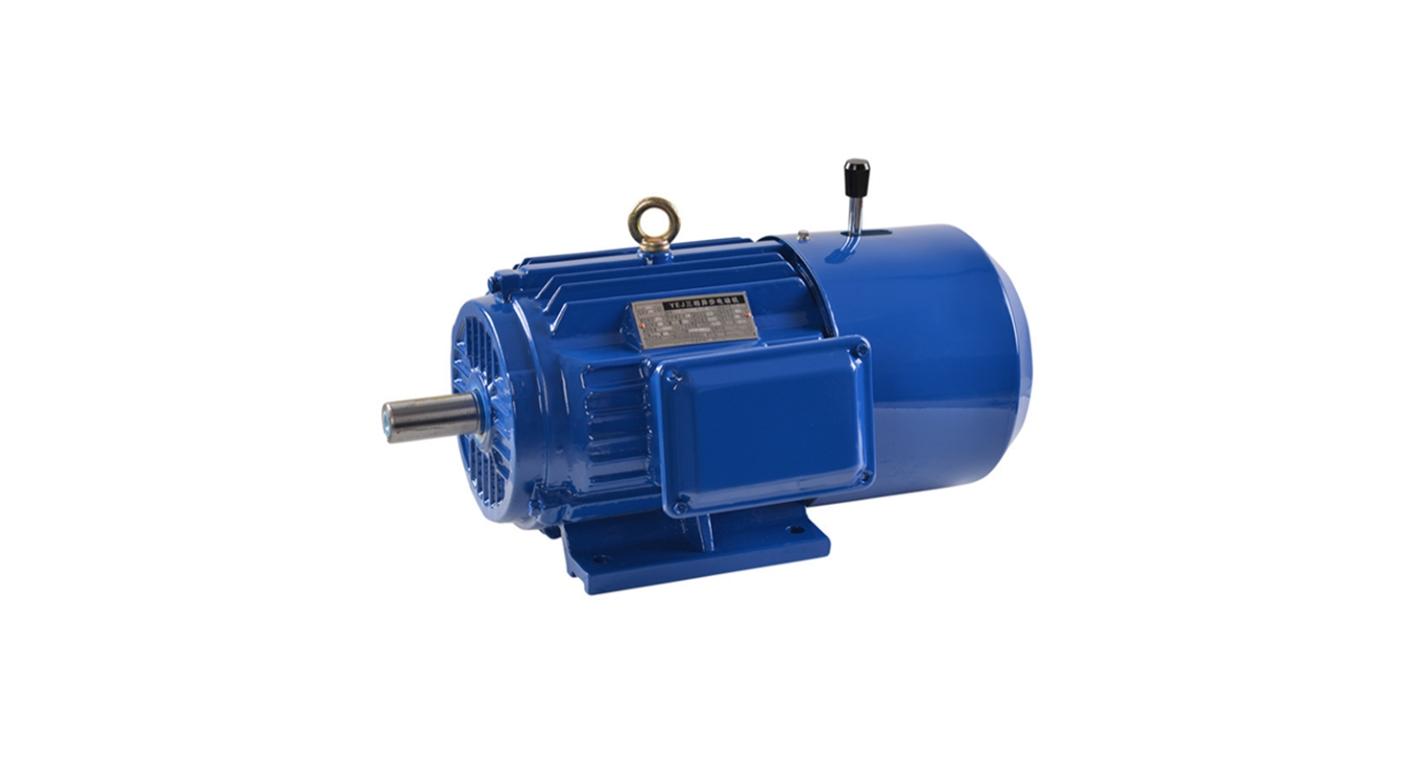
Right Angle Geared Motor: Matching Electrical Supply, Variable Speed and Braking
Oct 26, 2026
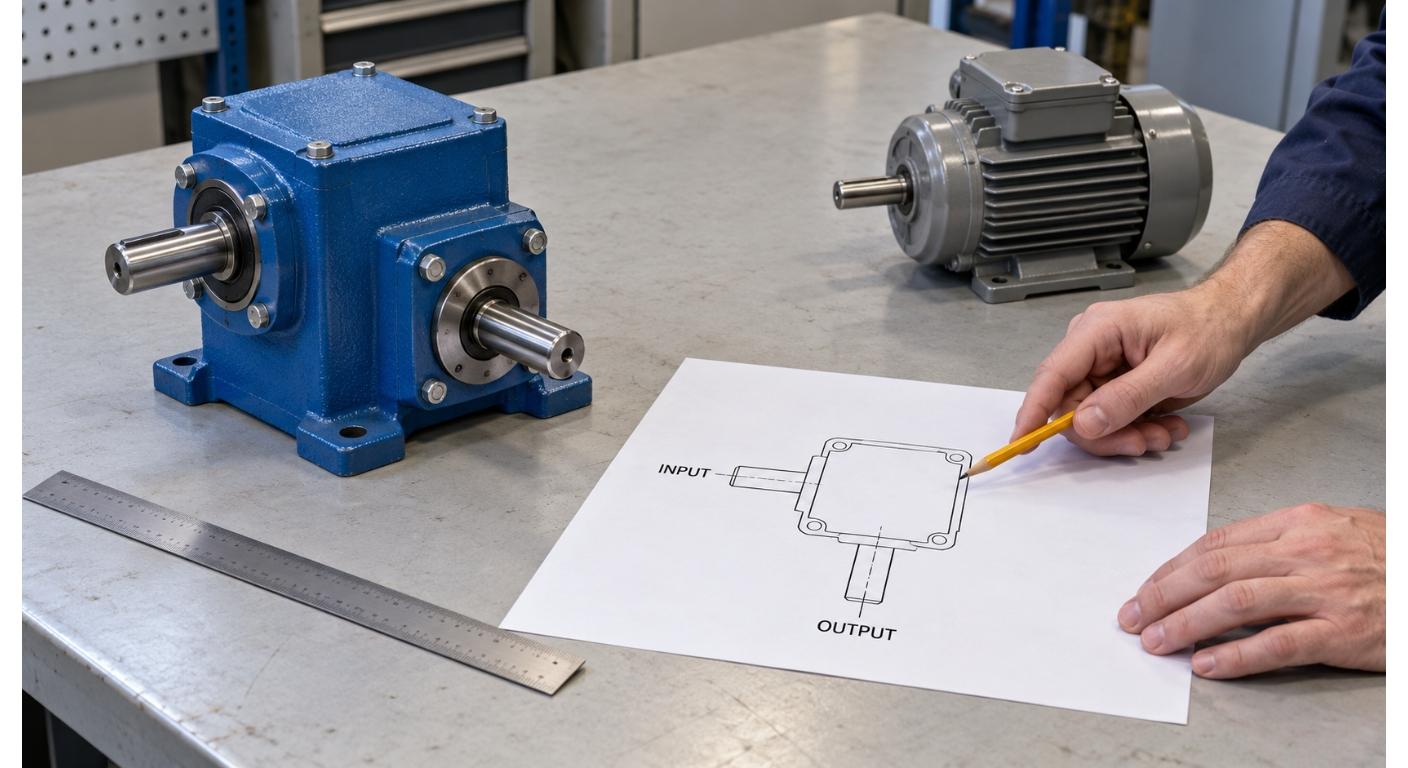
Planning a Bevel Reducer Installation: Turn Shaft Requirements Into a Practical Drive Layout
Oct 26, 2026
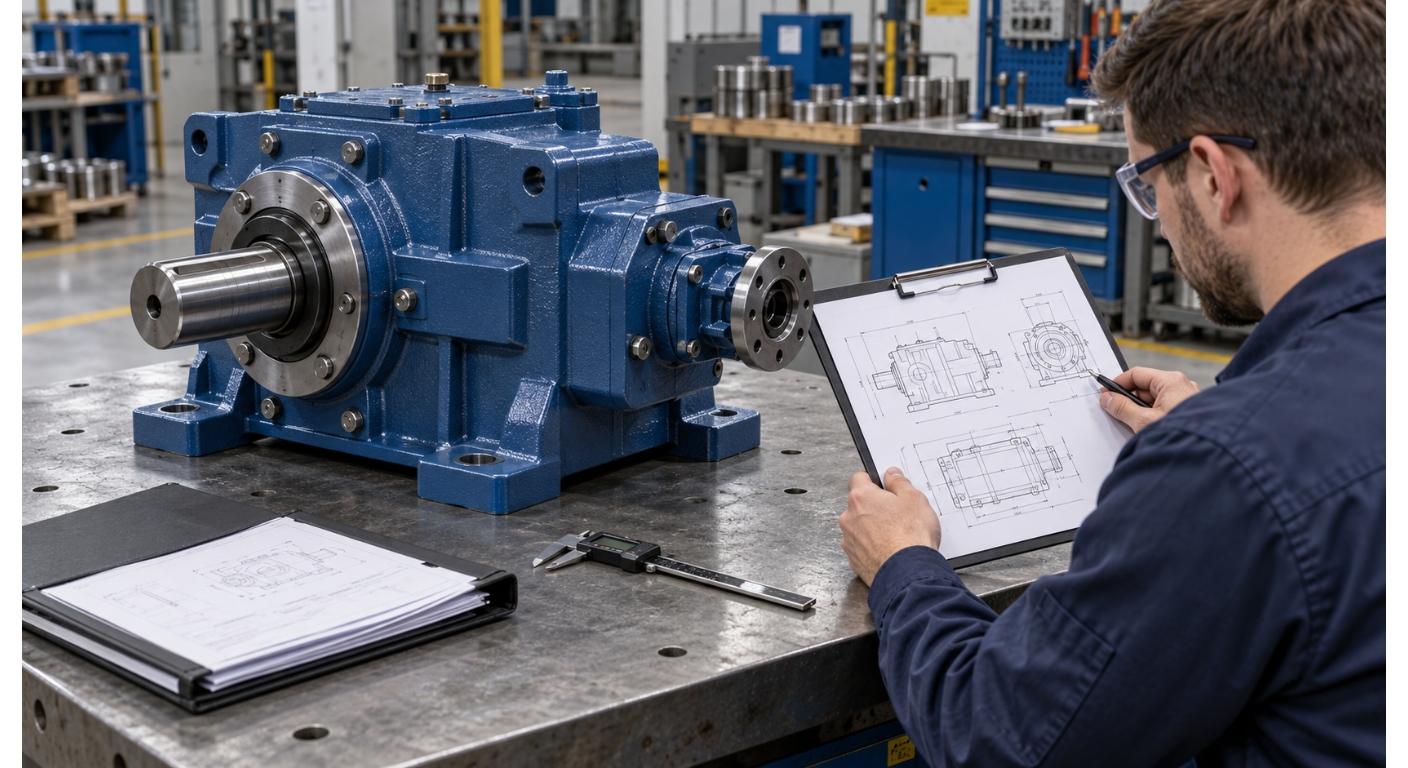
Choosing an Overhead Crane Gearbox by Its Hoisting or Travel Function
Oct 26, 2026
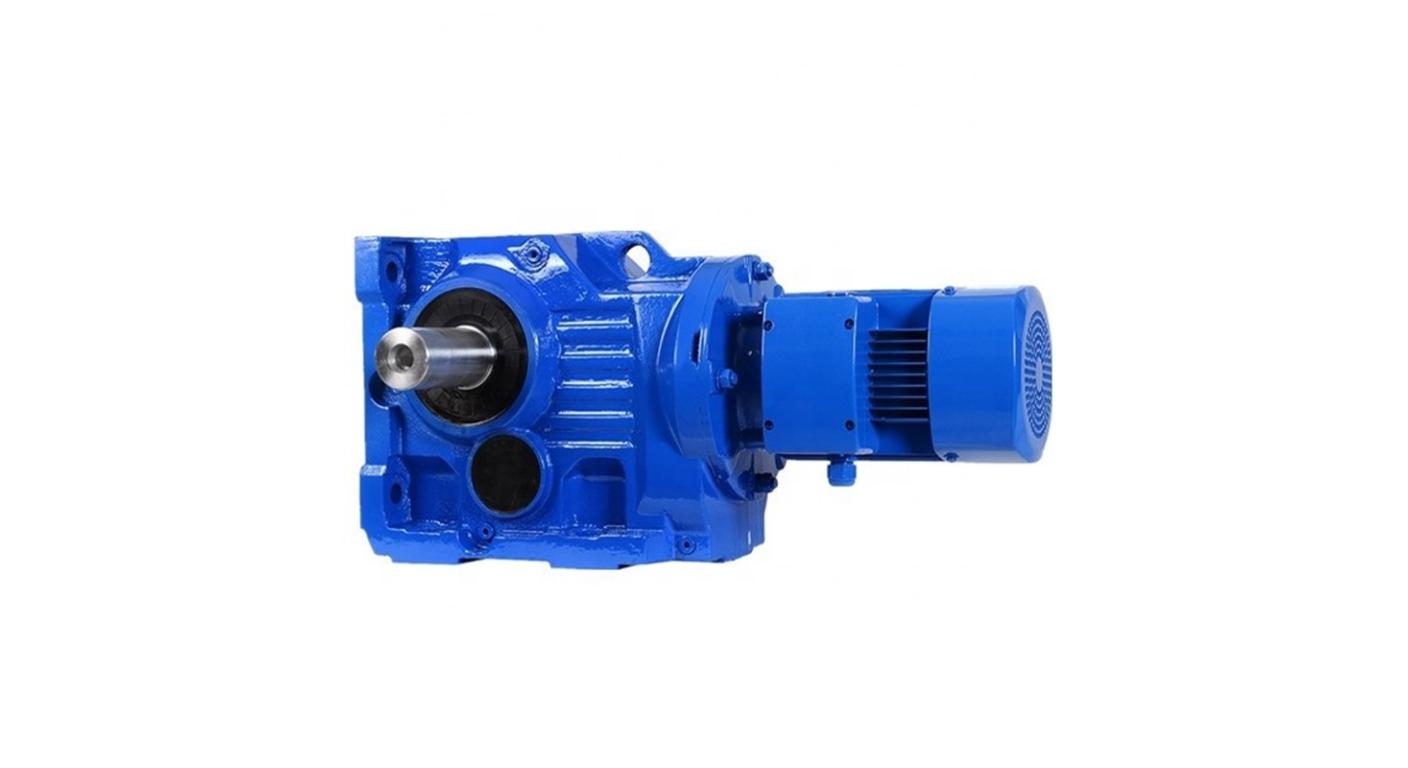
Replacing an Industrial Worm Gearbox: What to Keep and What to Reassess
Oct 25, 2026
Turning Rolls are often overlooked until failure stops production. While buyers focus on welding heads and automation, the drive system struggles with eccentric loads. A standard gearbox works fine for conveyors, but put it on a rotator turning a vessel 40% heavier on one side—it breaks in months, not years.
Mingye solved this with the Special Reducer for Welding Rotator. Instead of adapting general-purpose reducers, we designed a drive system that treats heavy fabrication conditions as normal operation, not an exception.
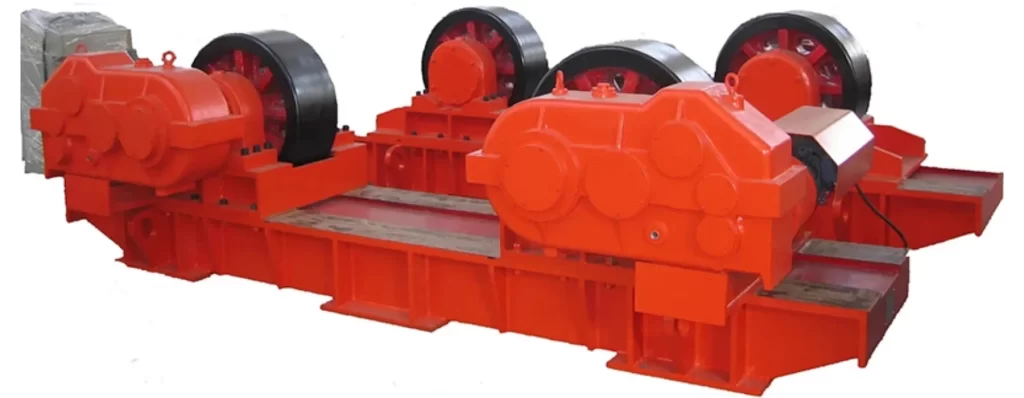
Why Standard Gearboxes Fail Under Heavy Loads
Most welding rotators on the market use off-the-shelf reducers. These units are built for constant, balanced loads. Heavy fabrication is neither constant nor balanced.
•Uneven torque distribution: Standard reducers struggle when one side of the vessel is heavier. Creating cyclic stress on output shafts.
•Inadequate gear hardness: most reducers have gears that only have hardness on their surfaces. Backlash increases. Motion becomes irregular. With higher loads, the core becomes permanently deformed.
•Poor heat dissipation: Long welding cycles on thick plate generate heat. Standard gearboxes overheat, lubricant breaks down, and wear accelerates.
A workshop in Texas running 100mm wall pressure vessels replaced their rotator gearboxes three times in 18 months. The issue was not the motor. It was the gearbox trying to manage torque spikes from a vessel with uneven plate distribution.
Gear Hardness: The Difference Between Months and Years
The Welding Rotator Gearbox must transfer torque smoothly while absorbing shock loads. The effect of material choice is whether that interchangeability is sustained or diminished over time.
The principal gear components are made of decarbonized low alloy steel. The principals are subjected to a hardening process which entails carburizing and quenching.
•The surface hardens to 58-62 HRC: This level withstands pitting and wear from high rolling pressure.
•The toughness of the core prevents fracture. Having a hard surface is not enough since a hard surface is brittle. Therefore, a hard case and a ductile core withstands impact.
•Gear accuracy is maintained at Grade 6: Many competitors recede to Grade 8 or 9 after a year of heavy use. Grade 6 ensures uninterrupted movement after lengthy use.
This is not a premium upgrade. It is the baseline requirement for turning rolls that survive heavy fabrication.
Load Distribution: Handling the Eccentric Vessel
The most destructive force on turning rolls is not total weight. It is uneven weight distribution. A 20-ton vessel shifted 15% toward one side creates torque spikes that standard gearboxes cannot dampen.
Mingye’s reducer design addresses this through gear geometry rather than electronic compensation.
•Layered tooth profile: Increases the contact patch during peak torques. The pressure on the system is reduced significantly, especially when measured in Newtons per square millimeter.
•Helix angle optimization: Eases the transition when heavier parts rotate past the lowest point. It also reduces ‘jumping’ which is a cause of weld defects.
•Shaft diameter selection: Larger output shafts on the JA, JB, and JC series rotators are more resistant to bending from side loads. Shaft bending is also in specification under uneven rolling.
A fabricator in Alberta working with tall wind tower sections reported that the previous rotators they had would need the speed adjusted every time a heavy long seam passed the bottom roll. After they switched to the Mingye's rolling machines equipped with gearboxes, speed only needed to be adjusted once every shift rather than every revolution.
Design Without Changes
Heavy fabrication shops cannot survive with extensive design changes. When gearboxes are damaged, the downtime caused is extremely expensive and far worse than the cost of the replacement part. Mingye designs the Welding Rotator Gearbox to integrate with already existing designs.
•Bolt pattern: The gearbox can mount to standard rotator frames without drilling new holes.
•Alignment of shafts: Input and output positions of the frames are compatible with the closest designs of rotators such as bolt adjustable rotators, self alignment rotators, lead screw adjustable rotators, and fit-up rotators.
•Maintenance access: Oil fill, drain, and inspection ports are positioned for workshop conditions. No special tools required for routine service.
This matters because heavy fabrication does not happen in clean labs. It happens in workshops where dirt, grinding dust, and temperature swings are normal. The turning rolls must accept that environment and keep working.
Realistic Performance Expectations
No gearbox lasts forever. Heavy fabrication is abrasive. But realistic lifespan expectations help buyers make informed decisions.
•Standard industrial reducer in heavy rotator service: 8 to 18 months before noticeable backlash develops
•Mingye JA/JB/JC series in similar service: 4 to 7 years before gear wear affects rotation quality
The difference comes from matching the gearbox to the application rather than over-rating a general-purpose unit. Mingye does not claim the gearbox is indestructible. It claims the gearbox is designed for this job. That distinction matters to buyers who have replaced failed units multiple times.
Which Rotator Types Benefit Most
The Welding Rotator Gearbox is not limited to one machine type. It applies to any rotator where controlled rotation under heavy load is required.
•Bolt adjustable rotators: A change in distance means center adjustments with torque transfers across different wheel positions.
•Self aligning rotators: Tilting loads side loads which standard reducers manage
•Lead screw adjustable rotators: Adjustable screws move forces to the gearbox housing
•Fit-up Rotators: Exact positioning requires even slow consistent output which has no movement
There are many different ways of stress created on the system per the configurations. The gearbox must handle all of them without modification.
Final Thought
Turning Rolls do not need to be complicated. They need to be reliable. When a workshop buys turning rolls that survive heavy fabrication, they are not buying features. They are buying weeks of uninterrupted welding, predictable maintenance schedules, and fewer emergency calls at 2 AM.
Mingye builds the gearbox that makes that possible. Not through hype. Through material science, application-specific design, and acceptance that heavy fabrication will never be gentle on equipment.
Share on Social:


Contact Us
In This Article
Right Angle Geared Motor: Matching Electrical Supply, Variable Speed and Braking
Oct 26, 2026
Planning a Bevel Reducer Installation: Turn Shaft Requirements Into a Practical Drive Layout
Oct 26, 2026
Choosing an Overhead Crane Gearbox by Its Hoisting or Travel Function
Oct 26, 2026
Replacing an Industrial Worm Gearbox: What to Keep and What to Reassess
Oct 25, 2026