


 Home /
 Why Add a Gearbox to an Electric Motor? | Industrial Gearbox Benefits Explained

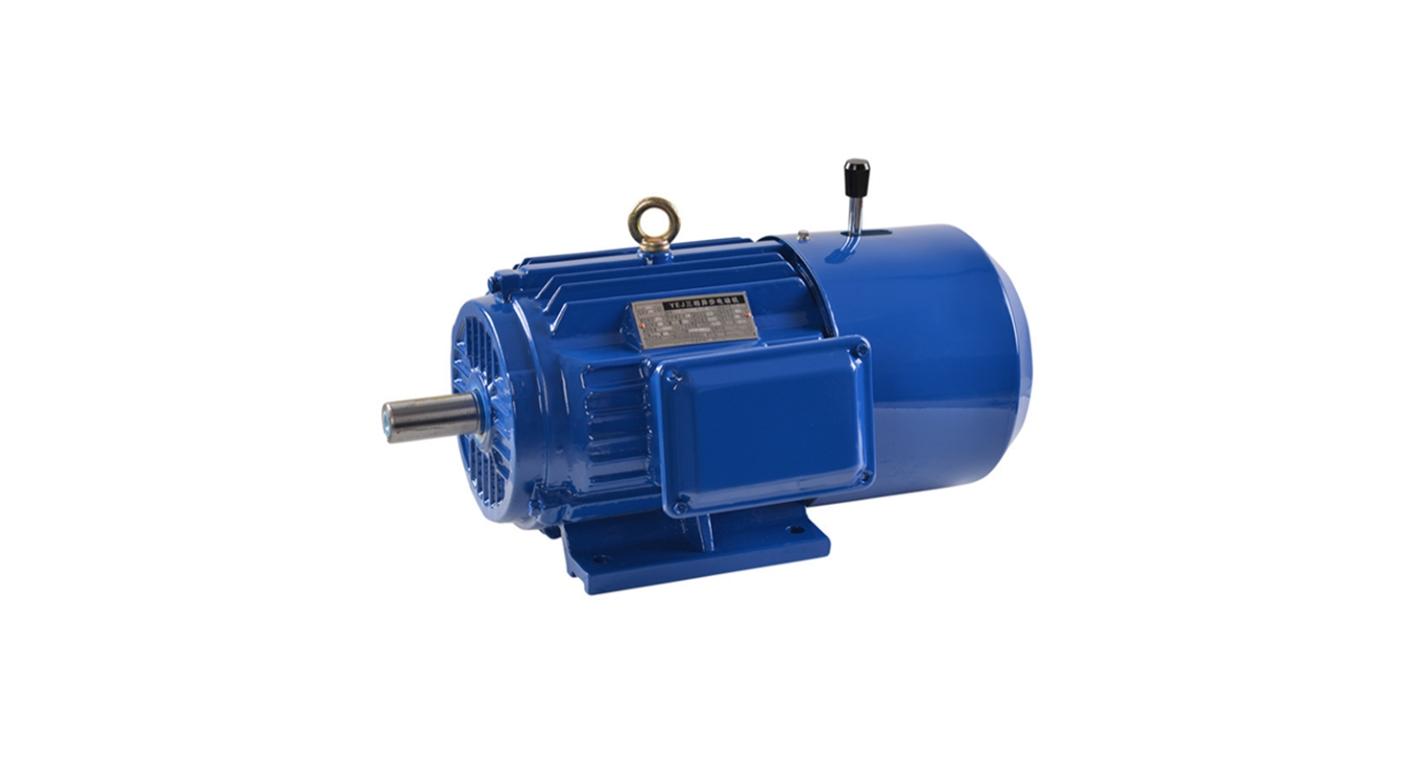
Right Angle Geared Motor: Matching Electrical Supply, Variable Speed and Braking
Oct 26, 2026
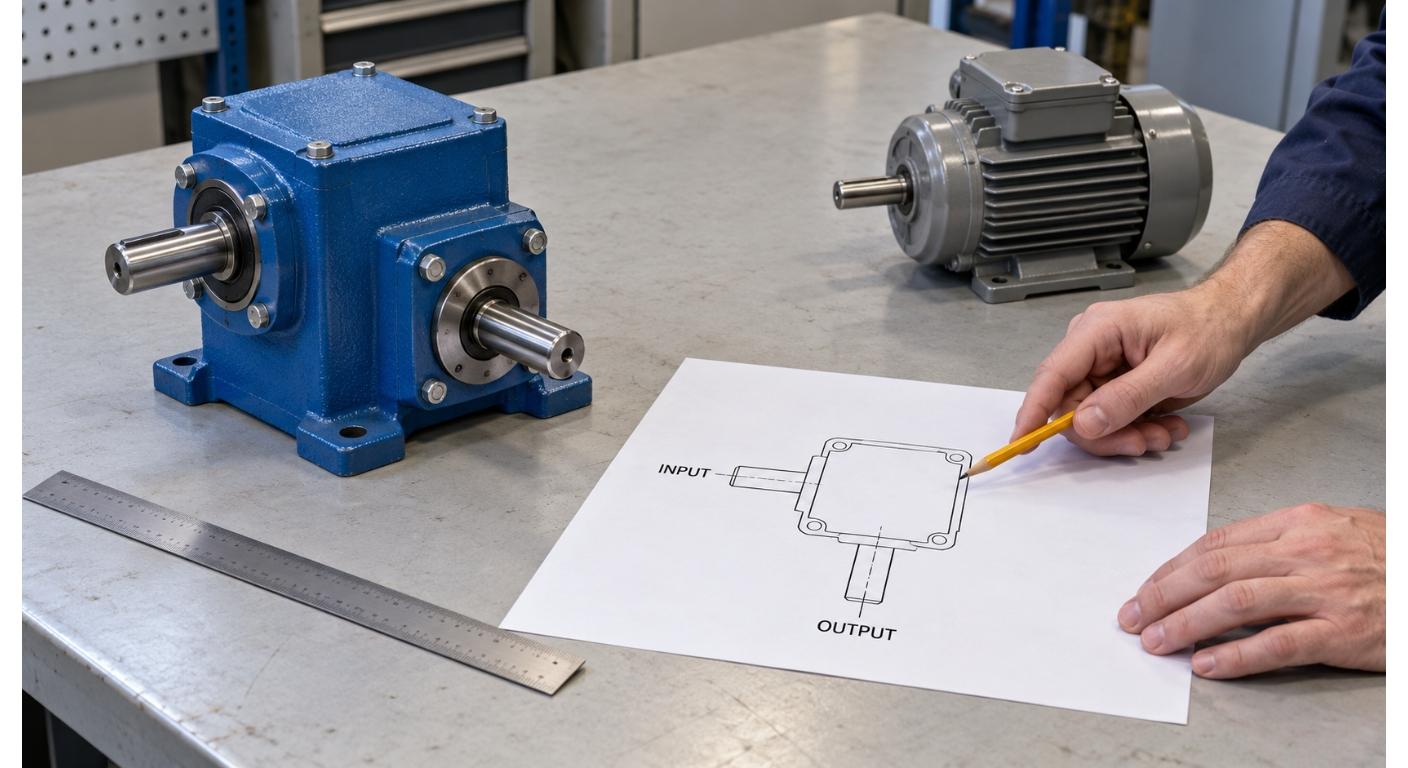
Planning a Bevel Reducer Installation: Turn Shaft Requirements Into a Practical Drive Layout
Oct 26, 2026
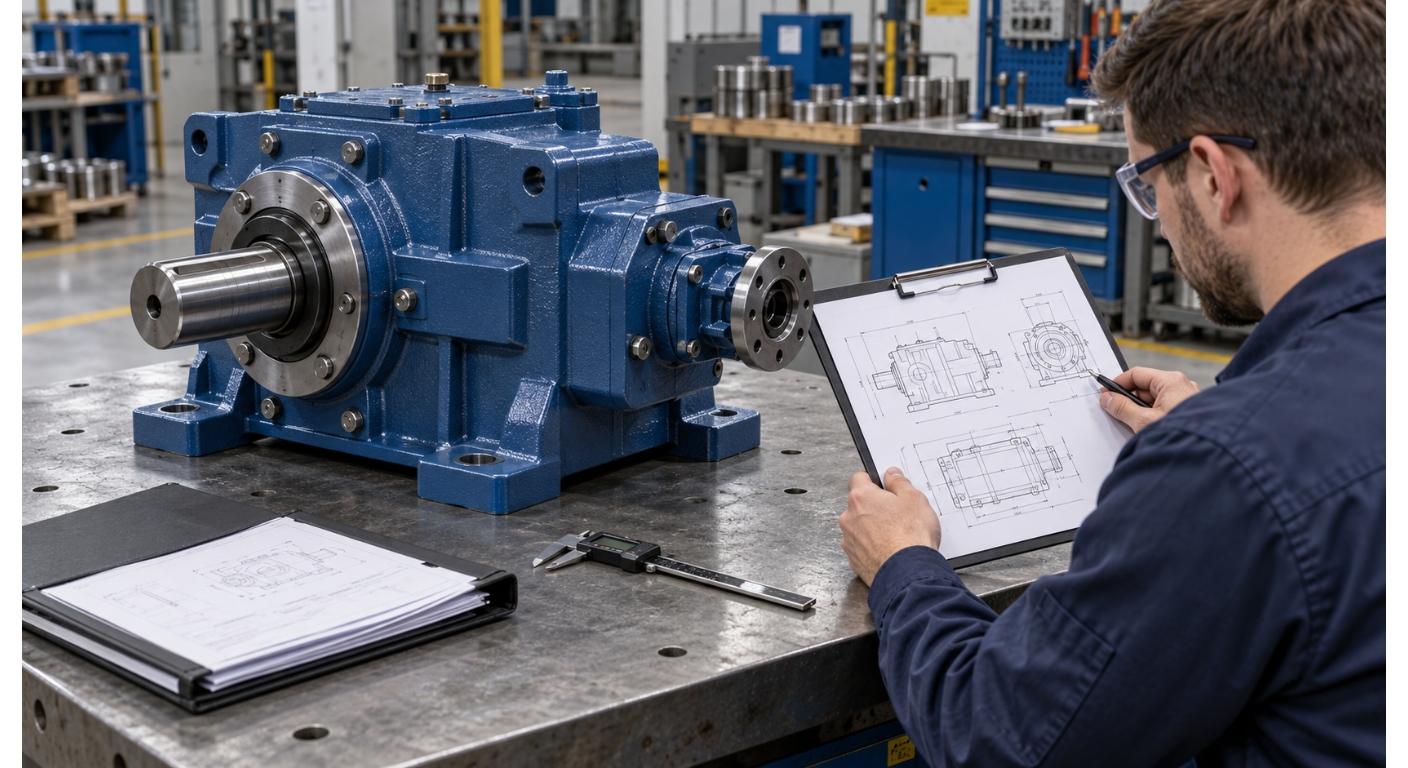
Choosing an Overhead Crane Gearbox by Its Hoisting or Travel Function
Oct 26, 2026
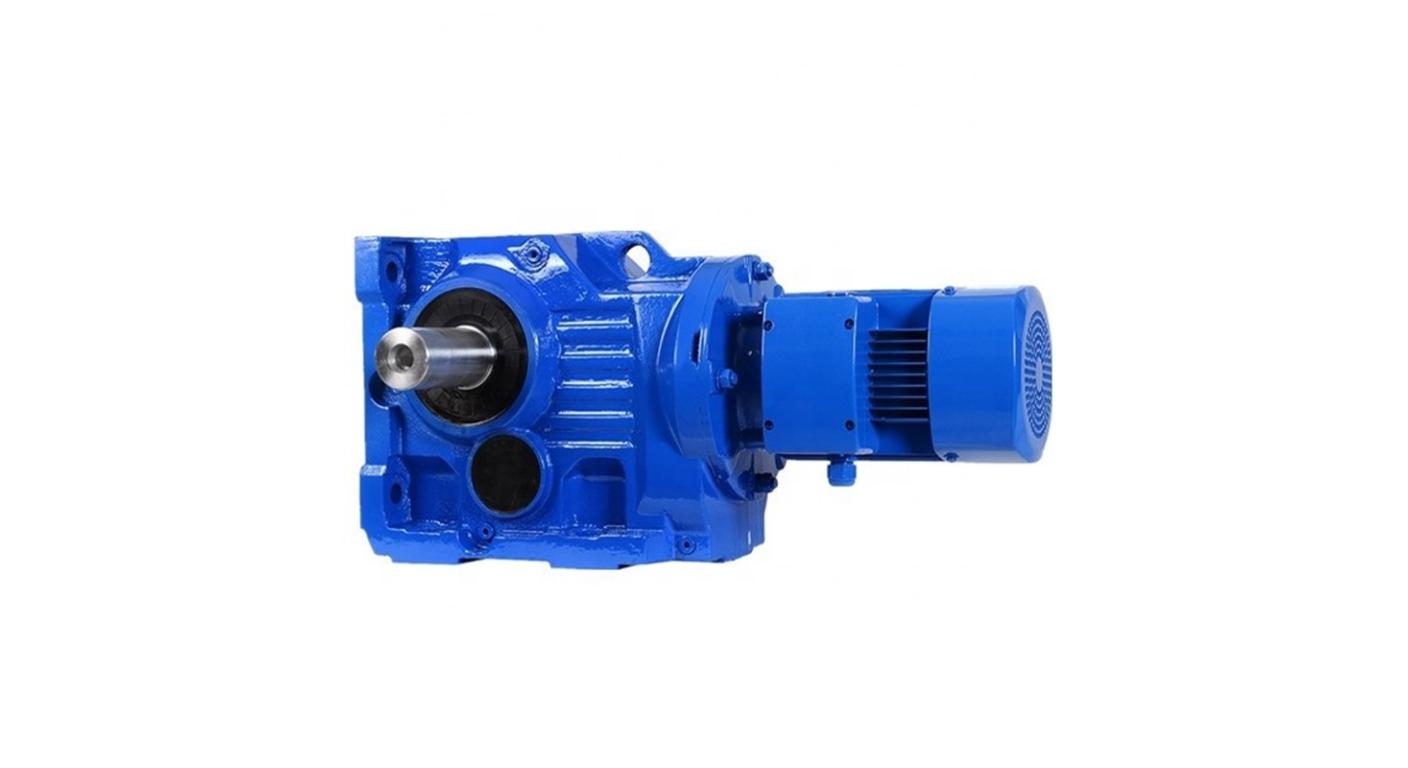
Replacing an Industrial Worm Gearbox: What to Keep and What to Reassess
Oct 25, 2026
In industrial transmission systems, electric motors rarely operate alone. In most industrial equipment, a gearbox (speed reducer) is integrated with the motor to form a complete gear motor system. For OEM manufacturers, automation integrators, and industrial equipment builders, understanding why a gearbox is added to an electric motor is essential for system efficiency, durability, and cost control.
This article explains the engineering logic behind gearbox integration, including torque multiplication, motor protection, energy efficiency, inertia control, and long-term system reliability. It is designed for B2B buyers and technical engineers evaluating industrial gearbox solutions.
1. A Gearbox Changes Speed and Multiplies Torque
Electric motors typically operate at high rotational speeds but produce relatively low torque. Most industrial applications—such as conveyors, valves, lifting systems, mixers, and automation machinery—require lower speed and higher torque.
A gearbox reduces motor speed through a reduction ratio while proportionally increasing output torque. For example, with a 20:1 reduction ratio, output speed becomes 1/20 of motor speed, while torque increases approximately 20 times (excluding efficiency losses).
This torque multiplication allows smaller motors to drive heavier loads efficiently, making the industrial gearbox a core mechanical component in power transmission systems.
2. Gearboxes Protect the Motor from Overload
One major advantage of adding a gearbox is motor protection. During operation, the gearbox absorbs higher torque loads. If overload occurs, the torque transmitted to the motor is effectively reduced according to the reduction ratio.
For example, if a gearbox has a 10:1 ratio, overload torque reaching the motor is reduced to approximately one-tenth of the external load (ignoring losses). This significantly lowers the risk of motor damage.
In extreme overload conditions, gearbox components may fail before the motor. From a maintenance perspective, replacing gearbox parts is generally faster and less expensive than repairing or replacing a damaged electric motor.
3. Cost Optimization and Maintenance Efficiency
Using a gearbox reduces the need for oversized motors. Without a gearbox, a larger and more expensive motor would be required to achieve the same torque output.
Since industrial motors are often more expensive than gear reducers, a gearbox-based system can reduce overall equipment cost while maintaining performance.
Additionally, modular gearbox designs allow replacement of internal gears, bearings, or lubrication components without changing the motor, reducing downtime.
4. Energy Efficiency and Power Optimization
Energy efficiency is a major concern for industrial buyers. By using a gearbox to multiply torque, the required motor current decreases for the same output torque level.
Lower current draw reduces heat generation, improves motor lifespan, and lowers long-term electricity consumption. Optimized gear motor selection contributes directly to energy savings.
5. Reduced Rotational Inertia and Improved Control
A gearbox reduces the effective load inertia seen by the motor. The inertia reflected to the motor is reduced by the square of the reduction ratio.
For example, with a 5:1 reduction ratio, the load inertia reflected to the motor is reduced by 25 times. This improves start-stop response, acceleration control, and system stability in automation environments.
This inertia reduction is particularly important in servo systems, CNC machinery, and precision automation equipment.
6. Controlled Speed Output and System Stability
Industrial applications rarely require extremely high rotational speeds. Gearboxes allow motors to operate within optimal efficiency ranges while delivering controlled, application-specific output speed.
This improves torque consistency, reduces vibration, and enhances overall system reliability.
7. Application Industries Where Gearboxes Are Essential
Industrial gearboxes are widely used across multiple sectors:
- Transportation systems
- Construction machinery
- Industrial automation and robotics
- Valve and actuator systems
- Manufacturing and processing equipment
- Material handling and conveyor systems
In modern industrial design, the gearbox is not optional—it is a core component of efficient mechanical transmission systems.
Engineering Consultation & Technical Support
If you are evaluating whether your application requires a gearbox, our engineering team can provide technical analysis based on your load data, operating conditions, torque requirements, and duty cycle.
Send us your mechanical drawings and performance targets, and we will recommend the most suitable industrial gearbox or gear motor configuration to optimize durability, efficiency, and total lifecycle cost.
Share on Social:


Contact Us
In This Article
Right Angle Geared Motor: Matching Electrical Supply, Variable Speed and Braking
Oct 26, 2026
Planning a Bevel Reducer Installation: Turn Shaft Requirements Into a Practical Drive Layout
Oct 26, 2026
Choosing an Overhead Crane Gearbox by Its Hoisting or Travel Function
Oct 26, 2026
Replacing an Industrial Worm Gearbox: What to Keep and What to Reassess
Oct 25, 2026