


 Home /
 Gear Motor Selection Guide for Industrial Applications | Industrial Gearbox & Drive System Engineering

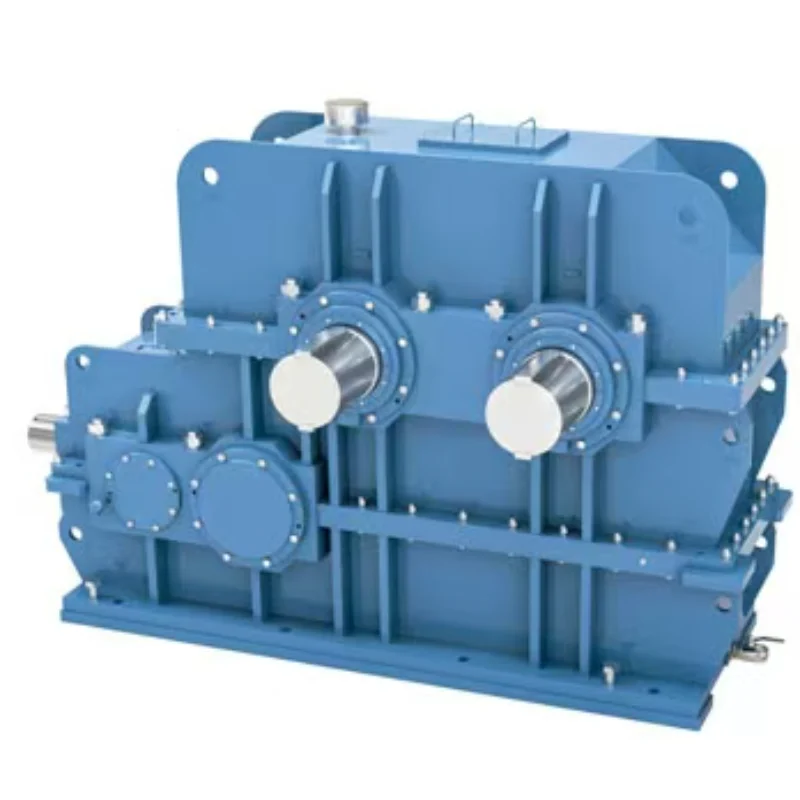
Rubber Internal Mixer Gearbox: Read the Batch Load Profile, Not Just Motor kW
Oct 22, 2026
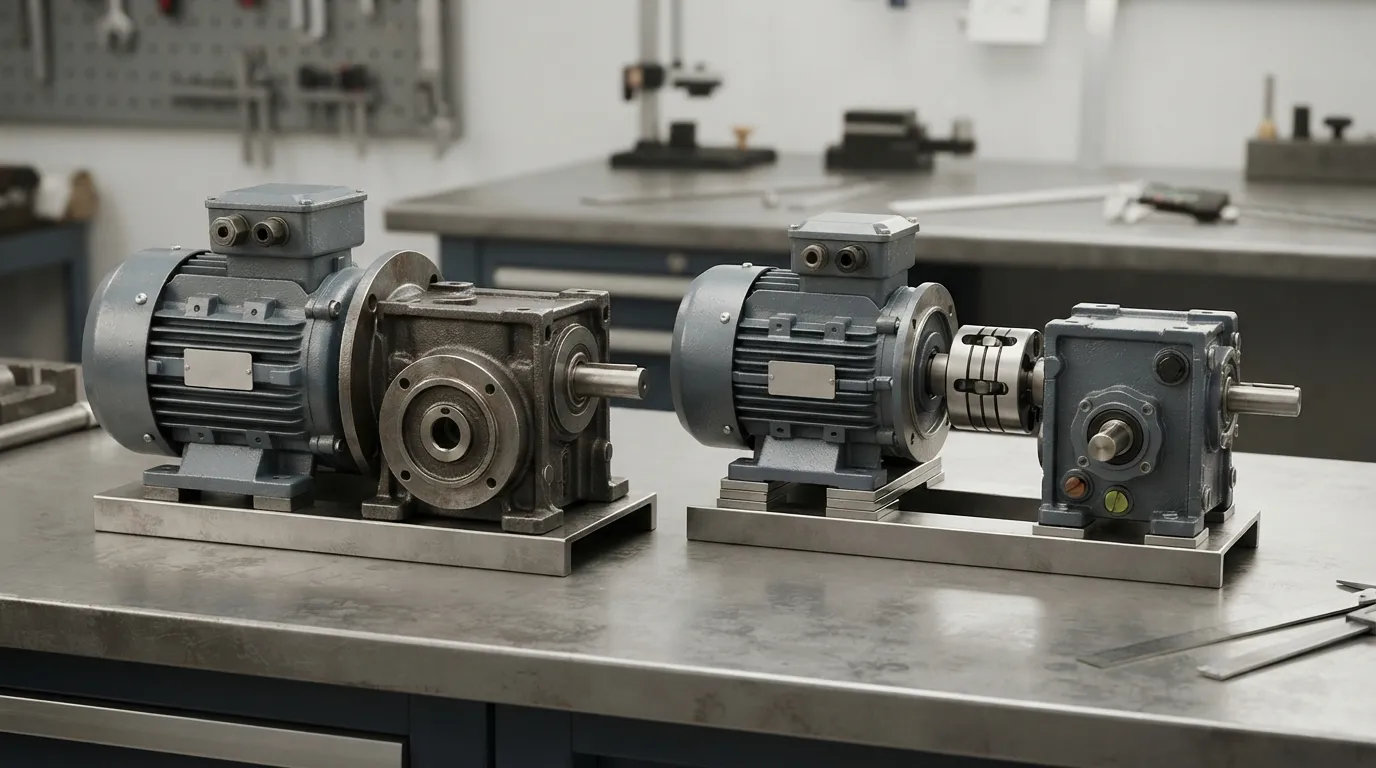
Hot Industrial Gearbox Coupling After Cold Alignment: What to Check
Oct 22, 2026
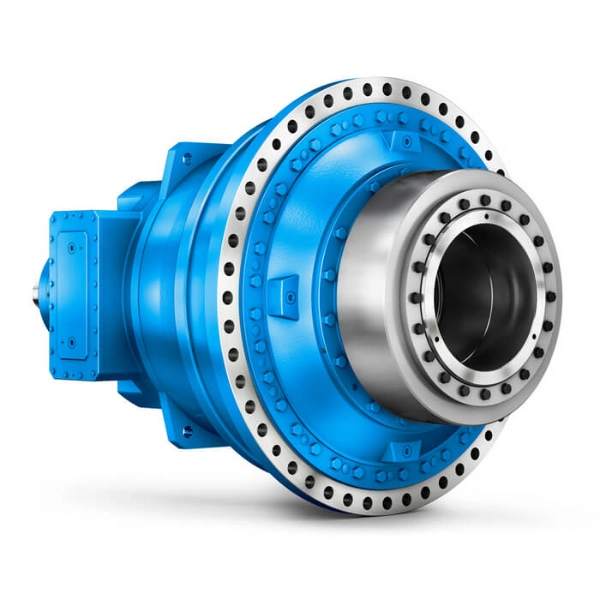
Hydraulic Slewing Drive Won't Rotate: Separate Motor, Brake and Gearbox Faults
Oct 22, 2026
Calender Roll Gap Changes: What Must the Drive Coupling Accommodate?
Oct 22, 2026
Selecting the correct Gear Motor is a critical engineering decision for OEM manufacturers, automation integrators, industrial equipment builders, and global distributors. Improper selection may result in premature gearbox failure, excessive vibration, system inefficiency, or costly production delays.
This Industrial Gear Motor Selection Guide provides a structured engineering framework covering mechanical compatibility, electrical performance, noise optimization, torque control strategy, and application-based priority definition. It is designed specifically for B2B technical buyers and engineers who require reliable, scalable transmission solutions.
1. Mechanical Compatibility Evaluation
Before analyzing torque and RPM, confirm mechanical installation feasibility.
- Key Mechanical Parameters:
- Maximum allowable outer diameter and total length
- Mounting orientation and envelope clearance
- Screw size (M4/M5/M6), thread depth, bolt spacing
- Output shaft diameter, D-flat, keyway, pin hole, retaining groove
- Engineering Recommendation: During equipment design, reserve sufficient assembly space to allow flexibility in gear motor model selection and future upgrades.
2. Electrical Performance & Torque Matching
- Core Selection Parameters:
- Rated Output Torque
- Output Speed (RPM)
- Maximum Continuous Current
- Stall Torque & Peak Load Conditions
Important: Higher torque is NOT always better. Oversized torque output may cause structural fatigue, gear wear, shaft deformation, and reduced gearbox lifespan.
Where torque demand is unclear, conduct prototype testing under real load conditions, measure operating voltage and current, and provide test data for engineering validation.
Whenever possible, select moderate reduction ratios and lower output speeds to improve mechanical durability and reduce internal stress within the industrial gearbox.
3. Gear Structure & Noise Performance Comparison
| Gear Type | Noise Level | Load Capacity | Typical Applications |
| Plastic Spur Gear | Low | Light to Medium | Home appliances, light-duty devices |
| Metal Spur Gear | Medium | Medium | Industrial automation |
| Helical Gear | Low to Medium | Medium to High | Precision industrial equipment |
| Worm / Planetary Gearbox | Medium to High | High Torque | Valves, heavy-duty systems |
Note: System-level resonance, rigid coupling, and eccentric loading often contribute to mechanical noise. Always evaluate the complete drive system before modifying motor selection.
4. Application-Based Priority Definition
- Industrial Gear Motor priorities vary by sector:
- Industrial Valves & Actuators: prioritize torque stability and long lifespan
- Financial / Automation Equipment: focus on reliability and continuous duty cycle
- OEM Machinery: balance torque accuracy, efficiency, and maintainability
- Consumer Systems: emphasize low noise and smooth performance
Professional engineering teams tailor gearbox materials, bearing selection, gear precision, lubrication strategy, and housing structure according to real operating conditions.
5. Why Professional Gear Motor Engineering Matters
Effective Gear Motor Selection requires integration of mechanical engineering, electrical load analysis, gearbox design principles, and lifecycle cost evaluation. Industrial Gearbox performance should be validated against duty cycle, environmental temperature, shock load conditions, and mass production consistency.
Working with an experienced Industrial Gear Motor manufacturer reduces repeated sampling, shortens development cycles, and ensures scalable mass production.
6. Engineering Consultation & Technical Evaluation Support
For OEM buyers and engineering teams evaluating gear motor selection, we offer structured technical consultation and parameter validation services.
- You may send us:
- Mechanical drawings (2D/3D)
- Load calculation data
- Required torque & speed targets
- Operating voltage and current information
- Duty cycle details and environmental conditions
Our engineering team will analyze your system and recommend the most suitable Gear Motor or Industrial Gearbox solution to optimize performance, durability, and long-term reliability.
Send us your drawings for evaluation and receive a professional engineering feedback report.
Share on Social:


- PREV: Not PREV
- NEXT: Why Add a Gearbox to an Electric Motor? | Industrial Gearbox Benefits Explained
Contact Us
In This Article
Rubber Internal Mixer Gearbox: Read the Batch Load Profile, Not Just Motor kW
Oct 22, 2026
Hot Industrial Gearbox Coupling After Cold Alignment: What to Check
Oct 22, 2026
Hydraulic Slewing Drive Won't Rotate: Separate Motor, Brake and Gearbox Faults
Oct 22, 2026
Calender Roll Gap Changes: What Must the Drive Coupling Accommodate?
Oct 22, 2026