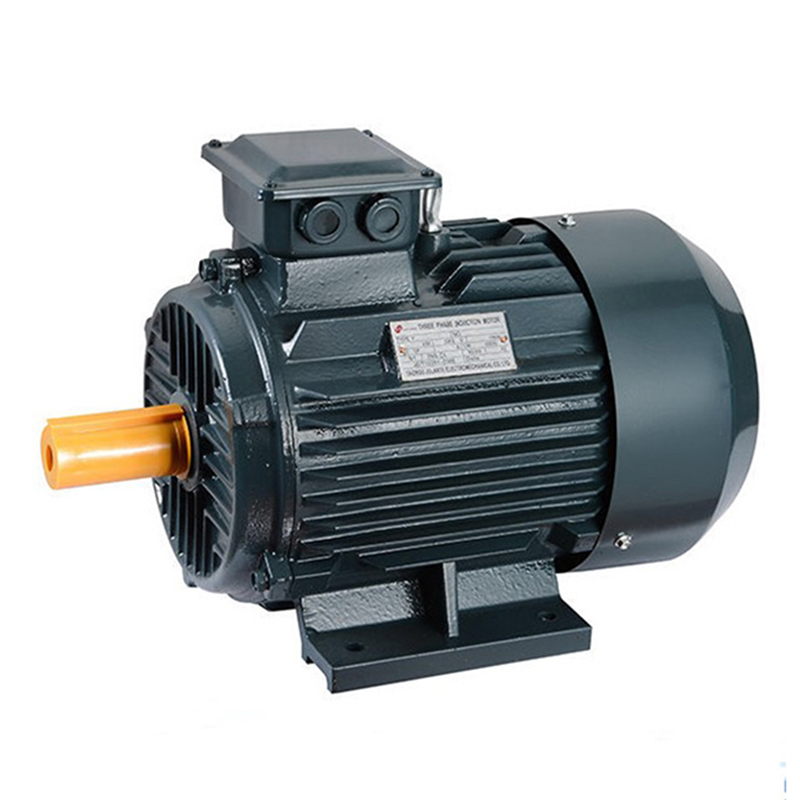
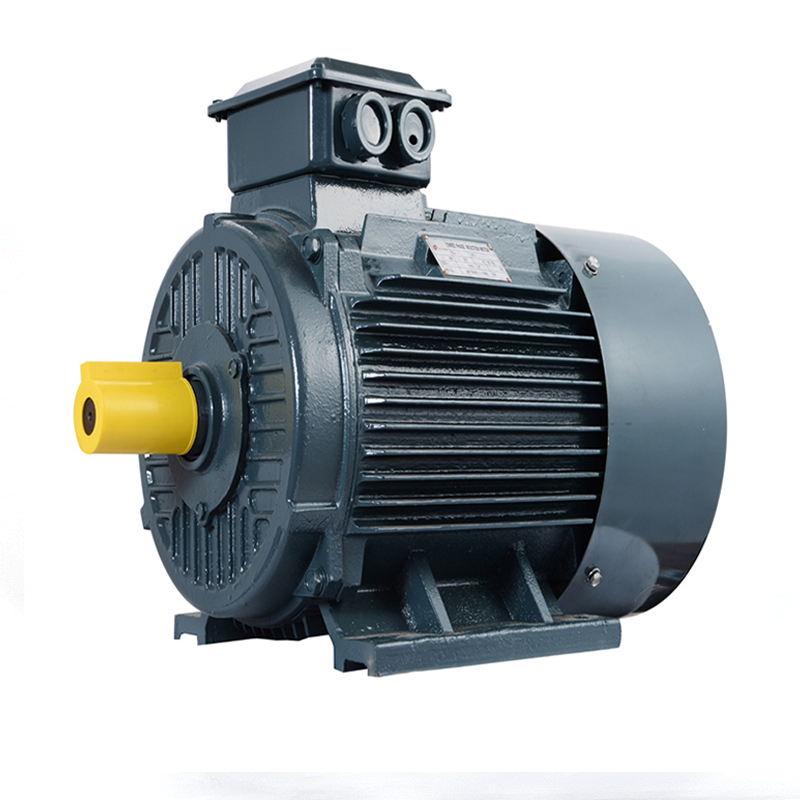
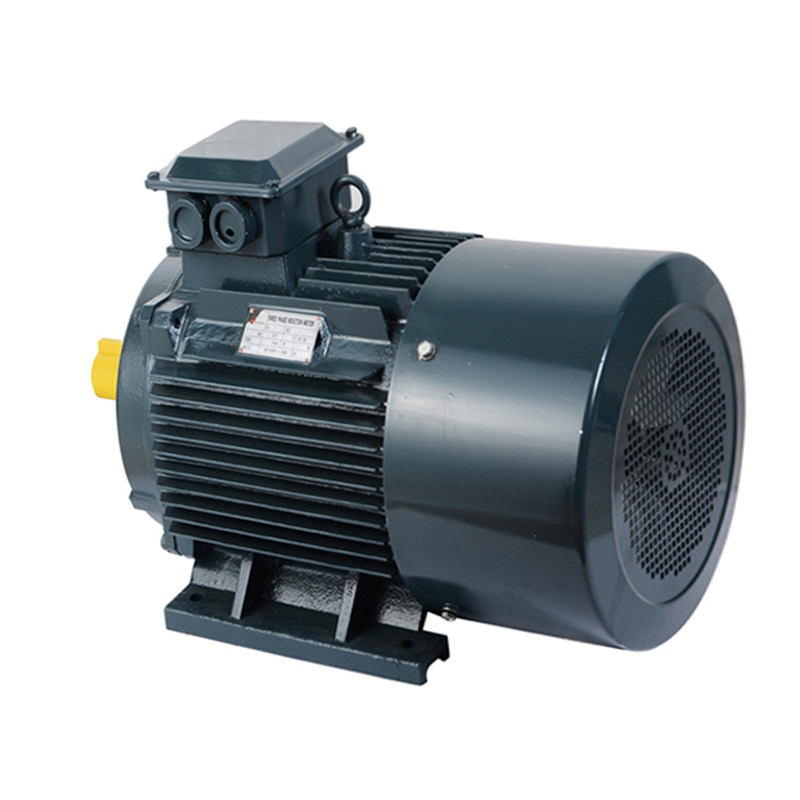
YE2 Series High Efficiency Three Phase Induction Motor
YE2 Series Three Phase Induction Motor provides stable power output through a high-efficiency electromagnetic design. It maintains balanced rotation with controlled vibration and consistent performance across varying load conditions. The TEFC cooling structure supports heat dissipation while keeping internal components protected. With IEC-compliant dimensions and flexible voltage options, the motor adapts to different installation setups. This configuration maintains reliable operation across industrial environments with changing temperature and working conditions.



Advantages
Engineered for reliability, efficiency, and flexibility, our products deliver stable performance across diverse industrial applications.
🟢 YE2 series motors are suitable for most occasions and environments. Standard working conditions of motors are - 20 ℃ to + 40℃ and 1000 m above sea level.
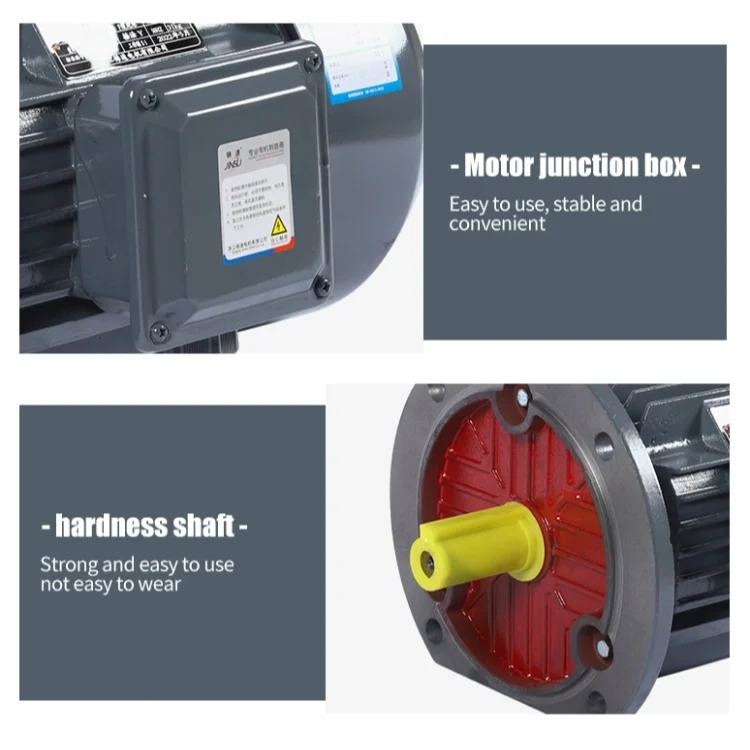
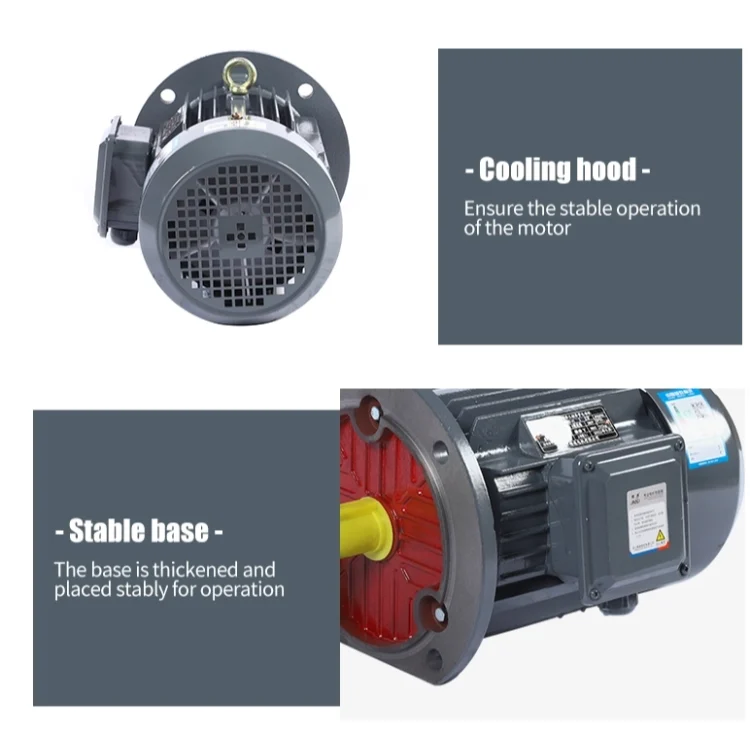
🟢 The standard cooling mode is fully enclosed self-fan cooling (TEFC). Standard motors are equipped with auxiliary flow plastic fans.
🟢 The protection level of the motor is IP55, which can be used in dusty or humid environment. It can also provide motors with higher protection level according to customers'requirements.
🟢 The standard motor is 380V/50HZ. A 50HZ motor with arbitrary voltage in the range of 200-600V can be designed. Under the condition that the power supply voltage deviates from the rated voltage ±5%, it can still operate well.
🟢 From product design to product delivery, follow the ISO 9001 quality certification system and strictly follow the quality procedures.
Three Phase Induction Motor For Continuous Power Systems
Three phase induction motor generates rotational force through electromagnetic interaction between stator and rotor. The stator creates a rotating magnetic field, which induces current in the rotor and produces torque. This process enables stable speed output without direct electrical contact between moving components.
Induction Structure For Stable Power Output Control
- Rotating magnetic field drives rotor without brushes
- TEFC structure supports heat dissipation and enclosure protection
- IP55 protection level supports operation in dusty environments
- IEC mounting dimensions support standardized installation
The stator windings generate a magnetic field that rotates continuously when powered by three-phase current. This field interacts with the rotor, causing it to follow the magnetic rotation. The absence of brushes reduces mechanical wear and keeps the motion path consistent.
Material selection influences performance stability. Silicon steel sheets guide magnetic flux through the stator core, while copper windings carry current efficiently. Bearings support rotation and maintain alignment, which helps reduce vibration during operation.
The motor housing isolates internal components from external conditions while allowing heat to dissipate through its cooling structure. Voltage adaptability allows the motor to operate under different supply conditions while maintaining consistent output behavior. Three phase induction motor fits systems that require stable power delivery and reliable motion under varying operating environments.
Technical Specifications
Industry Applications
-
Industrial Manufacturing
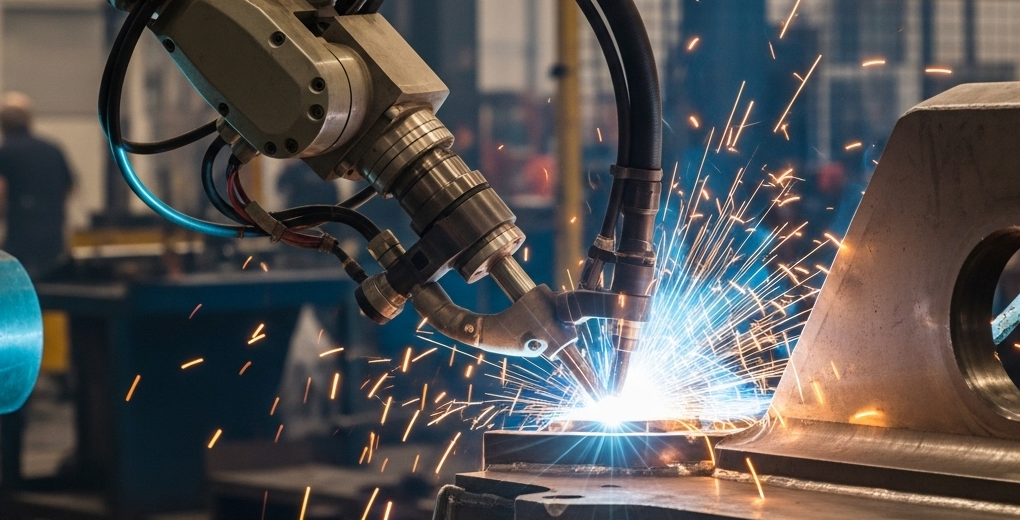
Production lines, machine tools, compressors, and automated equipment. -
Pumps & Water Treatment
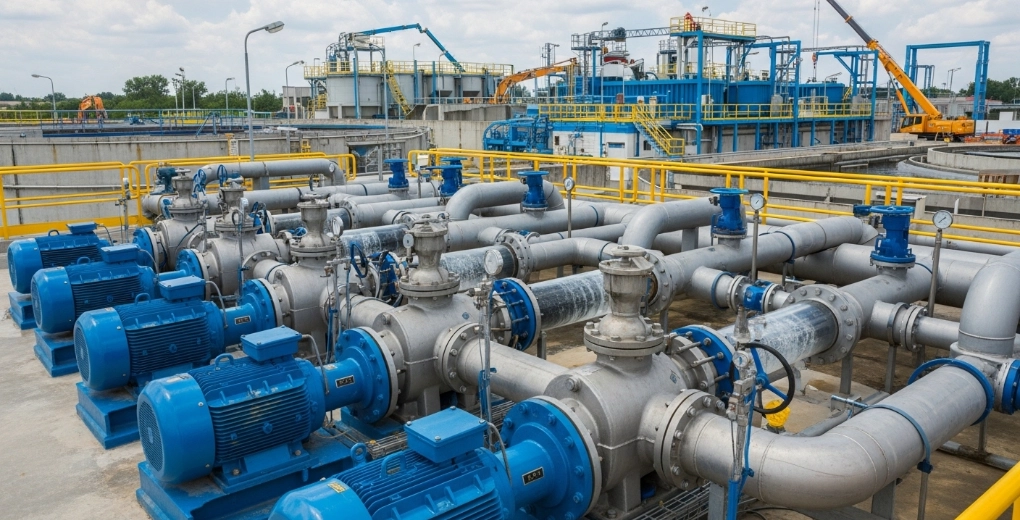
Water pumps, booster systems, sewage treatment, and irrigation equipment. -
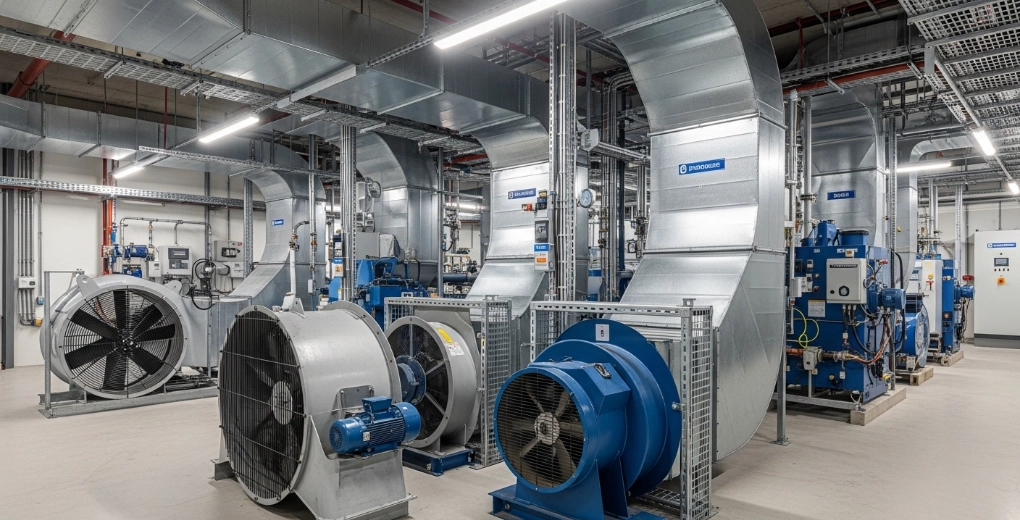
Fans & HVAC Systems
Industrial fans, ventilation systems, air conditioners, and cooling towers. -

Mining & Heavy Industry
Crushers, conveyors, mixers, and other heavy-duty industrial machinery.
Browse our case studies or talk directly with our engineers to discuss your application.
Send Us Your Requirements
Looking for the right transmission solution for your equipment? Mingye Machinery provides professional support for selecting gear motors, gearboxes, and drive units, along with flexible OEM and product customization services.
Need Help Choosing the Right Gearbox?
- Product category or preferred model
- Key technical parameters (power, speed, transmission ratio, torque)
- Estimated order quantity
- Installation or equipment requirements
- OEM or special configuration needs