Home / Products / Gear Motors / Helical Gear Motors /
S Series Helical Worm Gear Motor
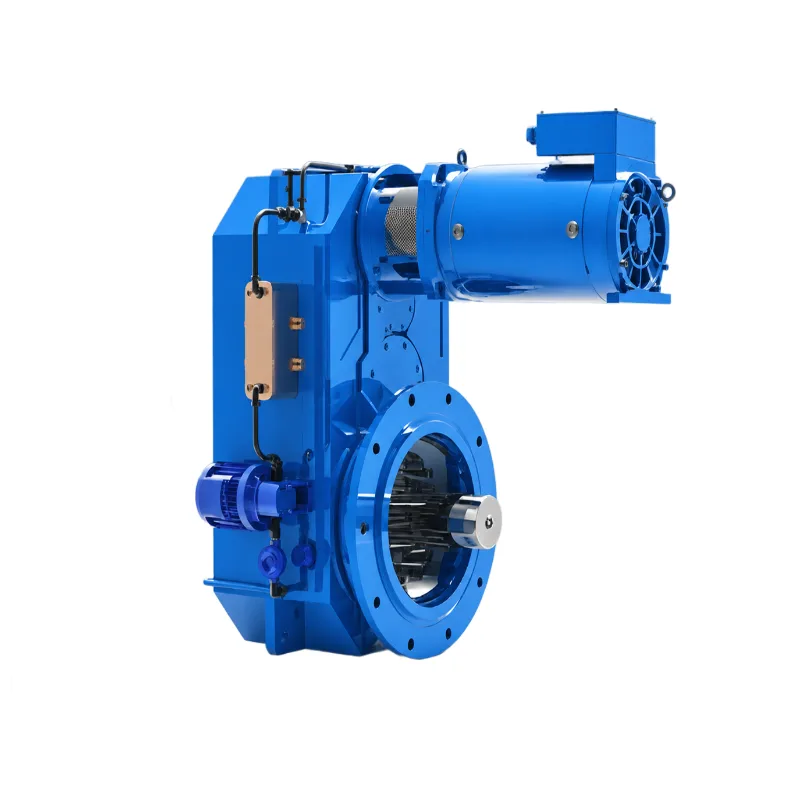
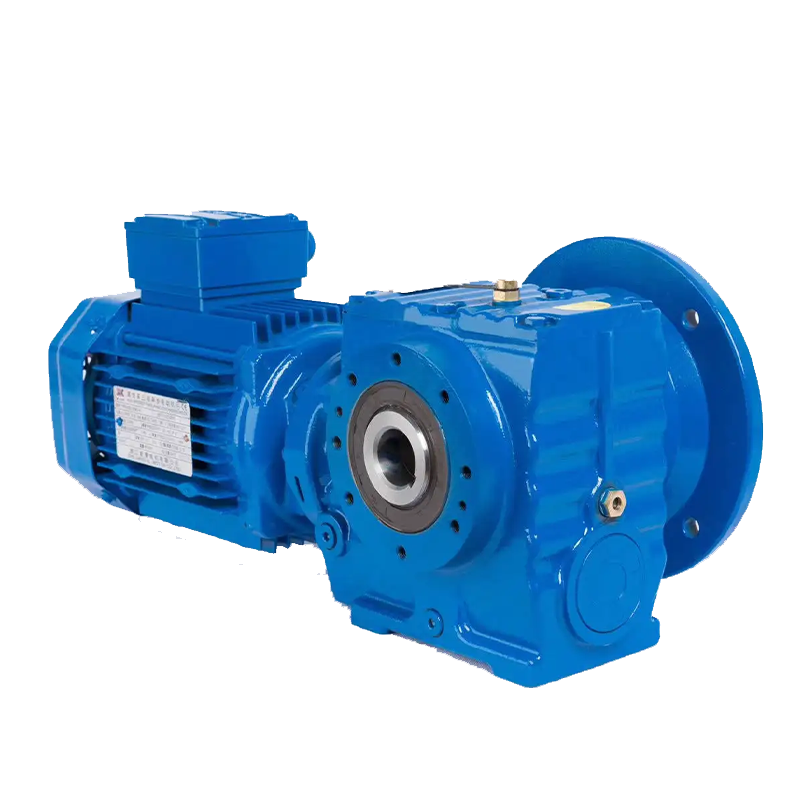
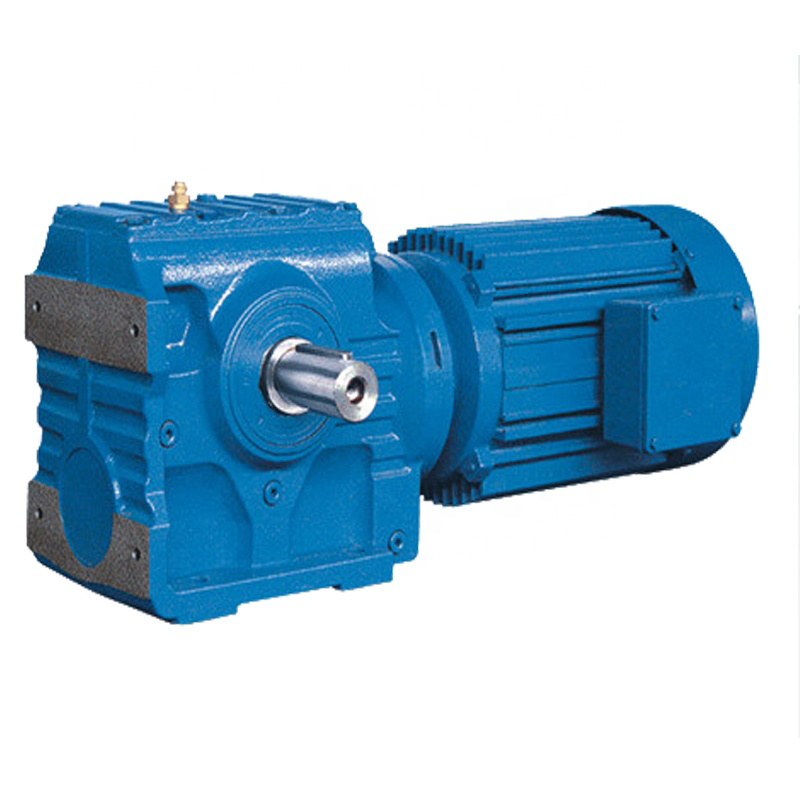
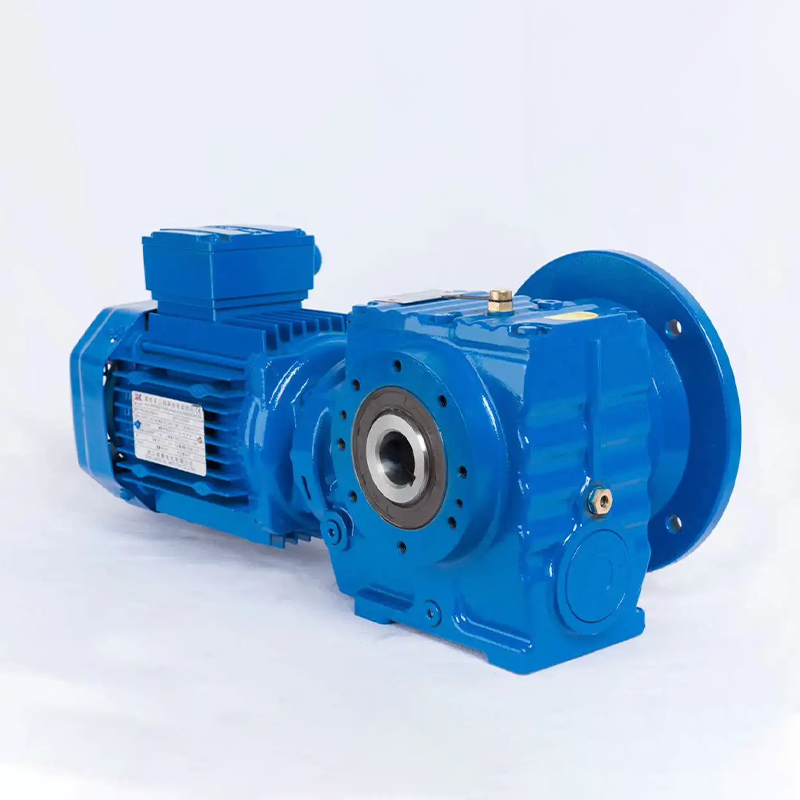
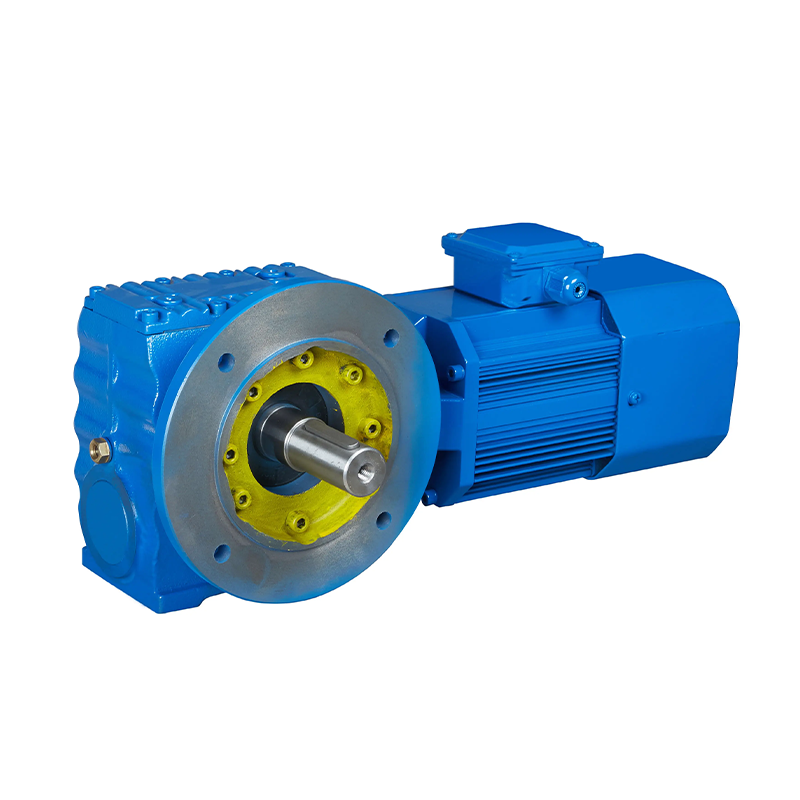
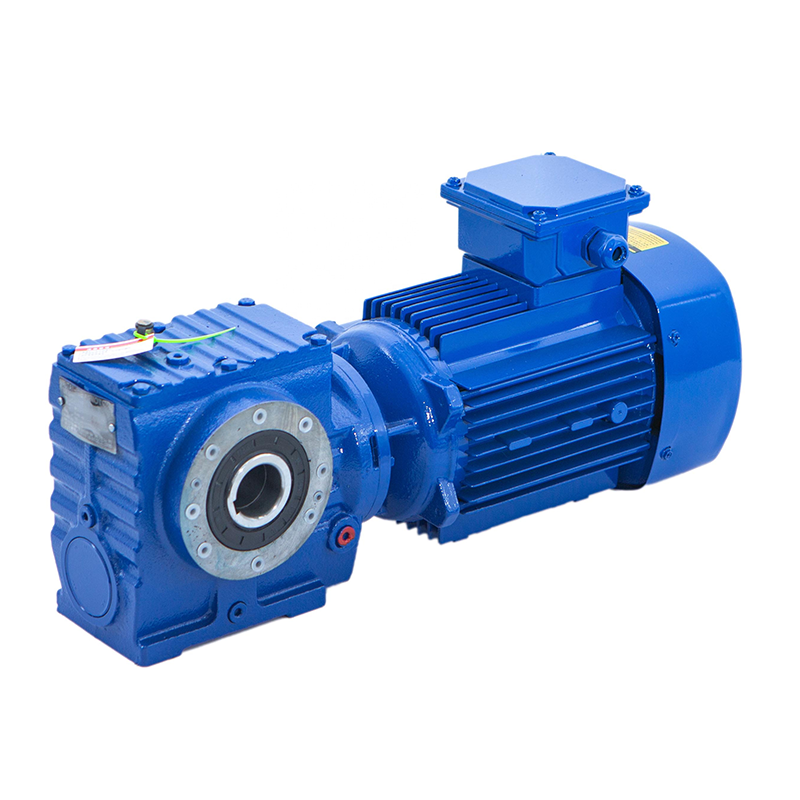
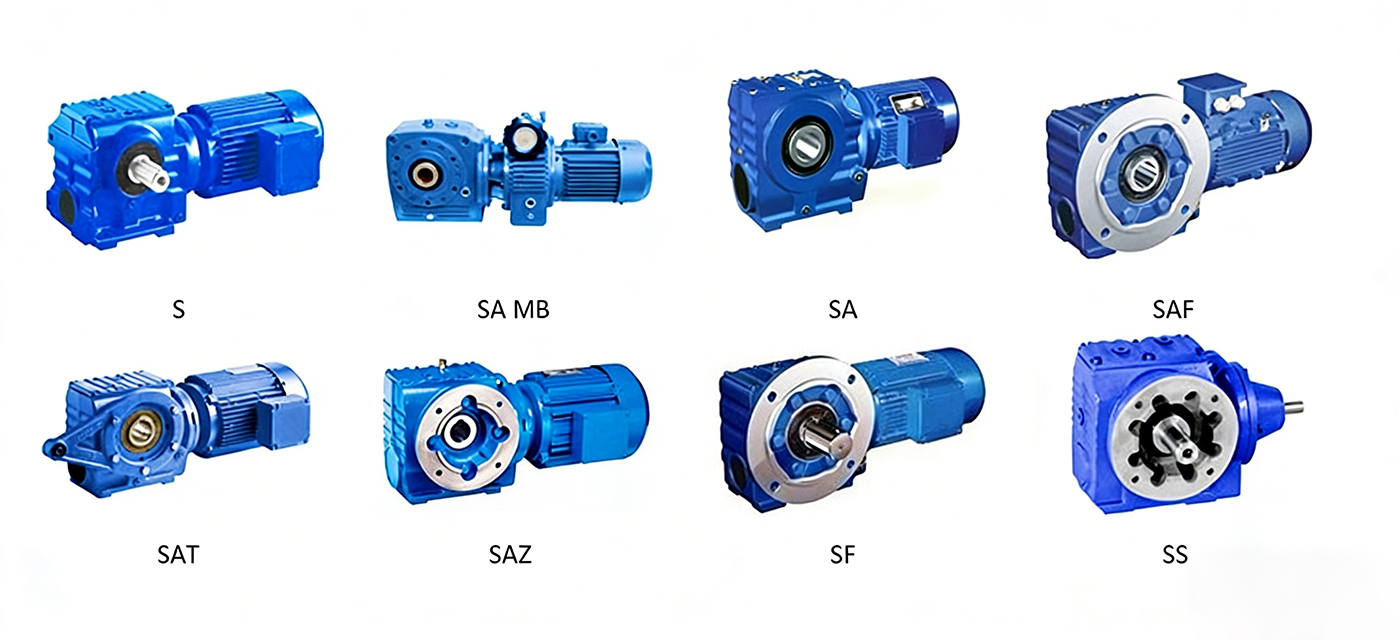
S series helical worm gear motor combines a two-stage gear structure to improve transmission efficiency and torque stability. The helical stage enhances initial power transfer, while the worm stage provides controlled reduction. This arrangement supports smooth start and stop performance in operation. At the same time, optimized internal contact reduces energy loss. The structure maintains stable output under varying load conditions in industrial systems that require controlled motion and consistent transmission behavior.



Advantages
Engineered for reliability, efficiency, and flexibility, our products deliver stable performance across diverse industrial applications.
🟢 Helical & Worm Gear Combination – Improves torque output and transmission efficiency with wide speed range and flexible installation options.
🟢 Efficient Heat Dissipation – Optimized housing structure enhances heat dissipation, reduces vibration, and ensures low noise operation.
🟢 Reliable Sealing Performance – Strong sealing capability allows stable operation in various industrial environments.
🟢 High Transmission Precision – Suitable for applications with frequent starting and precise transmission requirements.
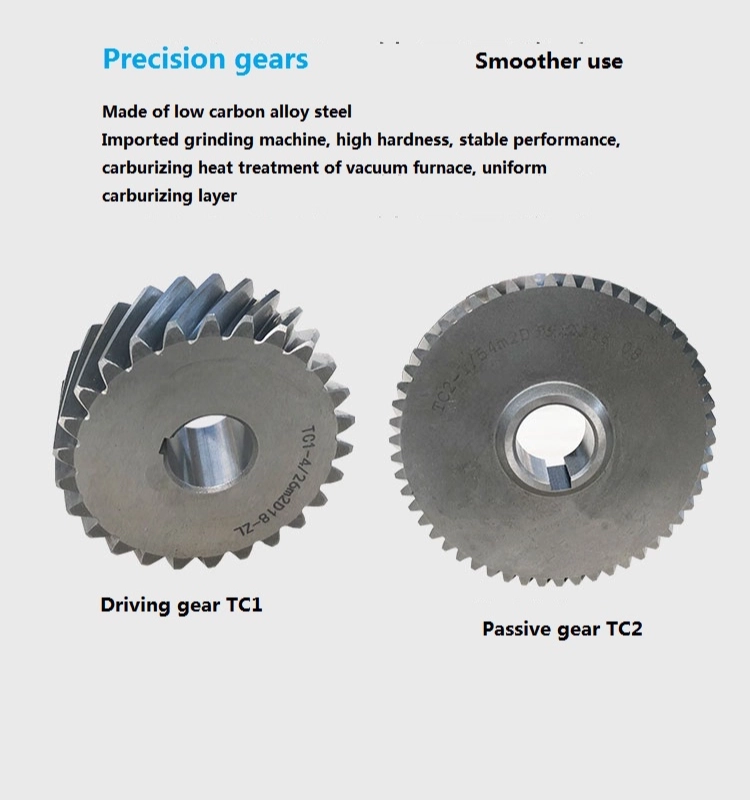
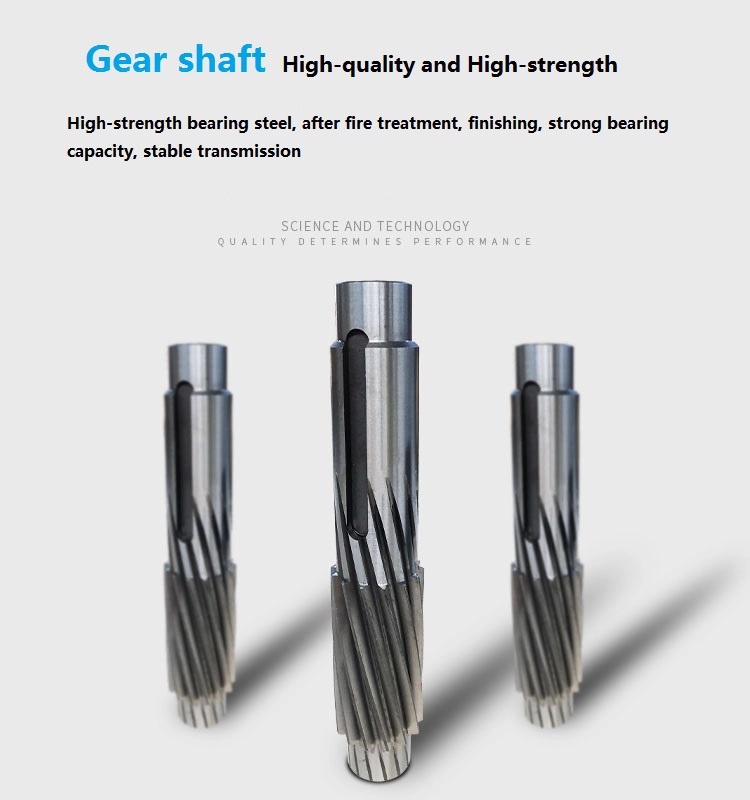
🟢 Durable Internal Components – Key parts use high wear-resistant materials with special heat treatment for long service life.
🟢 Flexible Motor Integration – Compatible with various motor types to form efficient and reliable electromechanical drive systems.
Helical Worm Gear Motor For High Efficiency Transmission Systems
Helical worm gear motor delivers controlled speed reduction and stable torque output through a hybrid gear transmission structure. It integrates a helical gear stage with a worm gear mechanism, allowing improved transmission efficiency compared to conventional worm-based systems. This configuration supports applications that require smooth motion control and consistent performance during frequent start-stop cycles.
Hybrid Gear Structure For Smooth And Stable Transmission
- Helical stage improves initial power transfer efficiency
- Worm stage enables controlled speed reduction
- Two-stage structure supports stable torque output
- Optimized contact reduces internal energy loss
The transmission begins with the helical gear stage, where angled teeth engage progressively to transfer motion with reduced impact. This helps stabilize the initial torque flow and improves operating smoothness. As power moves into the worm stage, the system further reduces speed while maintaining controlled torque output, allowing precise motion control.
During operation, the combined gear interaction maintains consistent contact across multiple surfaces. This helps distribute load more evenly and supports stable transmission behavior. The design also supports smoother start and stop cycles, which is important for systems with frequent operation changes.
The housing structure maintains internal alignment and supports lubrication conditions during operation. This helps preserve stable performance over extended use. Helical worm gear motor is suitable for processing equipment, positioning systems, and mechanical drives where efficiency, smooth motion, and controlled transmission are required.
Technical Specifications
Industry Applications
-
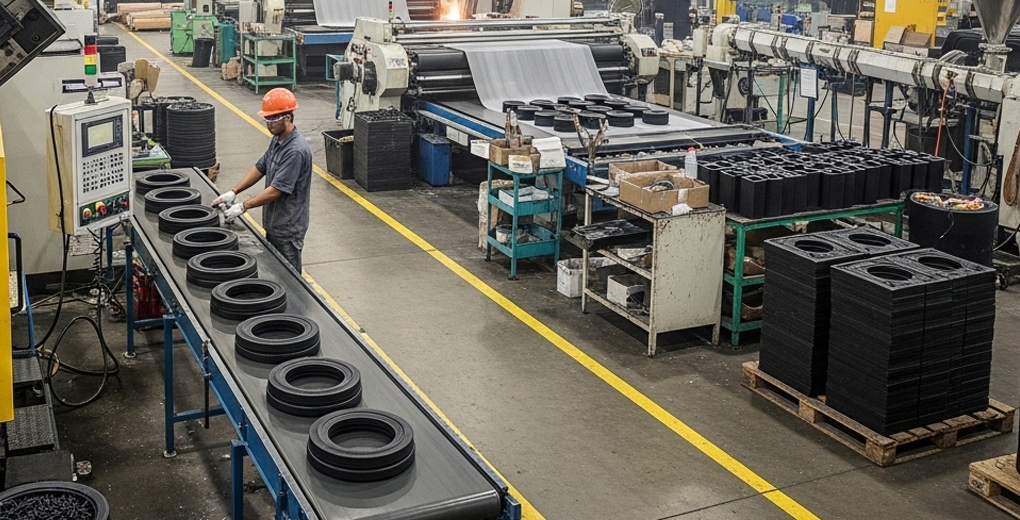
Rubber & Plastic Machinery
Extruders, injection molding, conveyor drives -
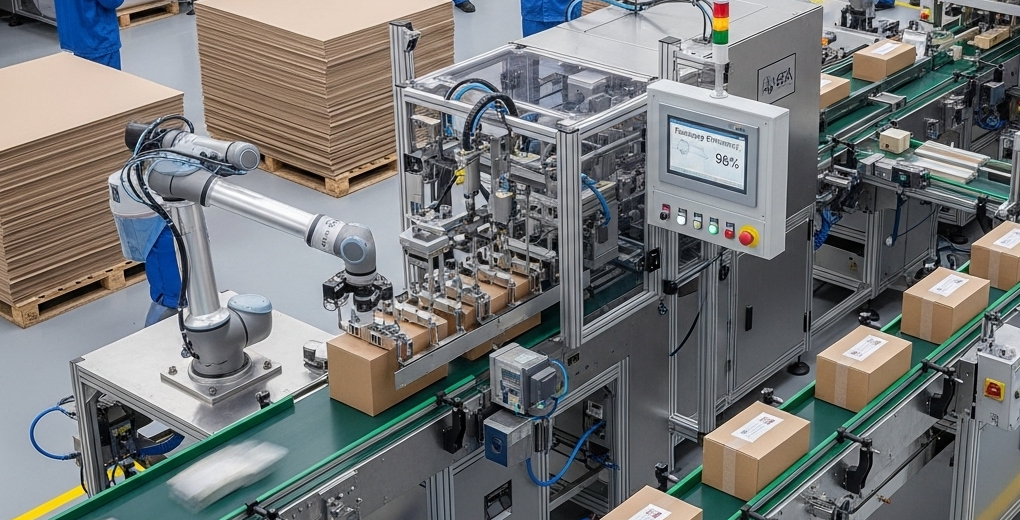
Packaging Machinery
Cartoning, filling, sealing, conveyor systems -

Material Handling Systems
Conveyors, hoists, automated storage, sorters -

Mining & Heavy Industry
Crushers, feeders, mills, heavy-duty conveyors
Browse our case studies or talk directly with our engineers to discuss your application.
Send Us Your Requirements
Looking for the right transmission solution for your equipment? Mingye Machinery provides professional support for selecting gear motors, gearboxes, and drive units, along with flexible OEM and product customization services.
Need Help Choosing the Right Gearbox?
- Product category or preferred model
- Key technical parameters (power, speed, transmission ratio, torque)
- Estimated order quantity
- Installation or equipment requirements
- OEM or special configuration needs