


 Home /
 Motor Gearbox Guide | Types, Applications & Buying Tips

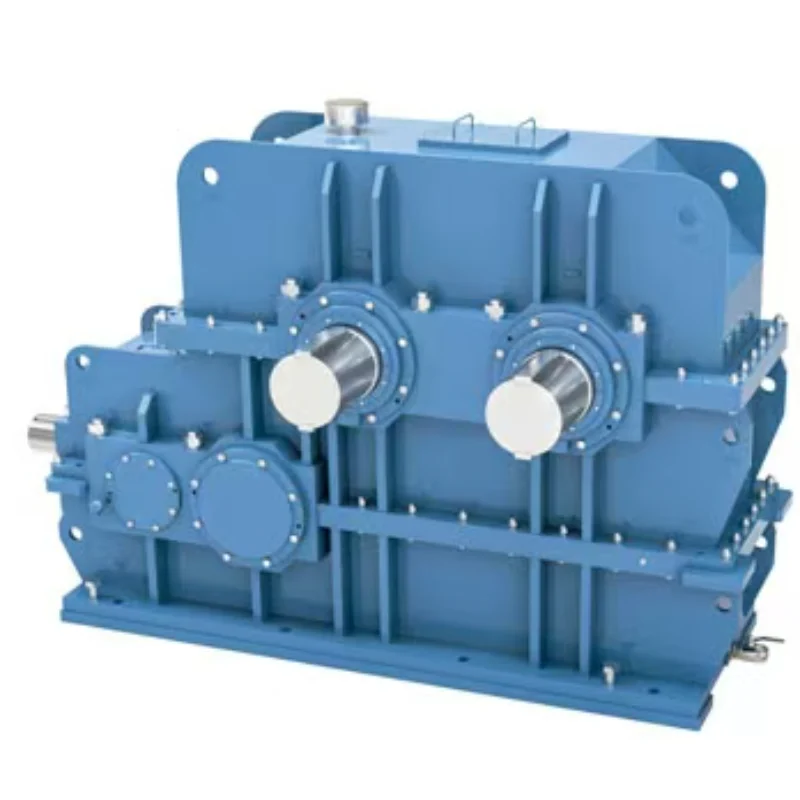
Rubber Internal Mixer Gearbox: Read the Batch Load Profile, Not Just Motor kW
Oct 22, 2026
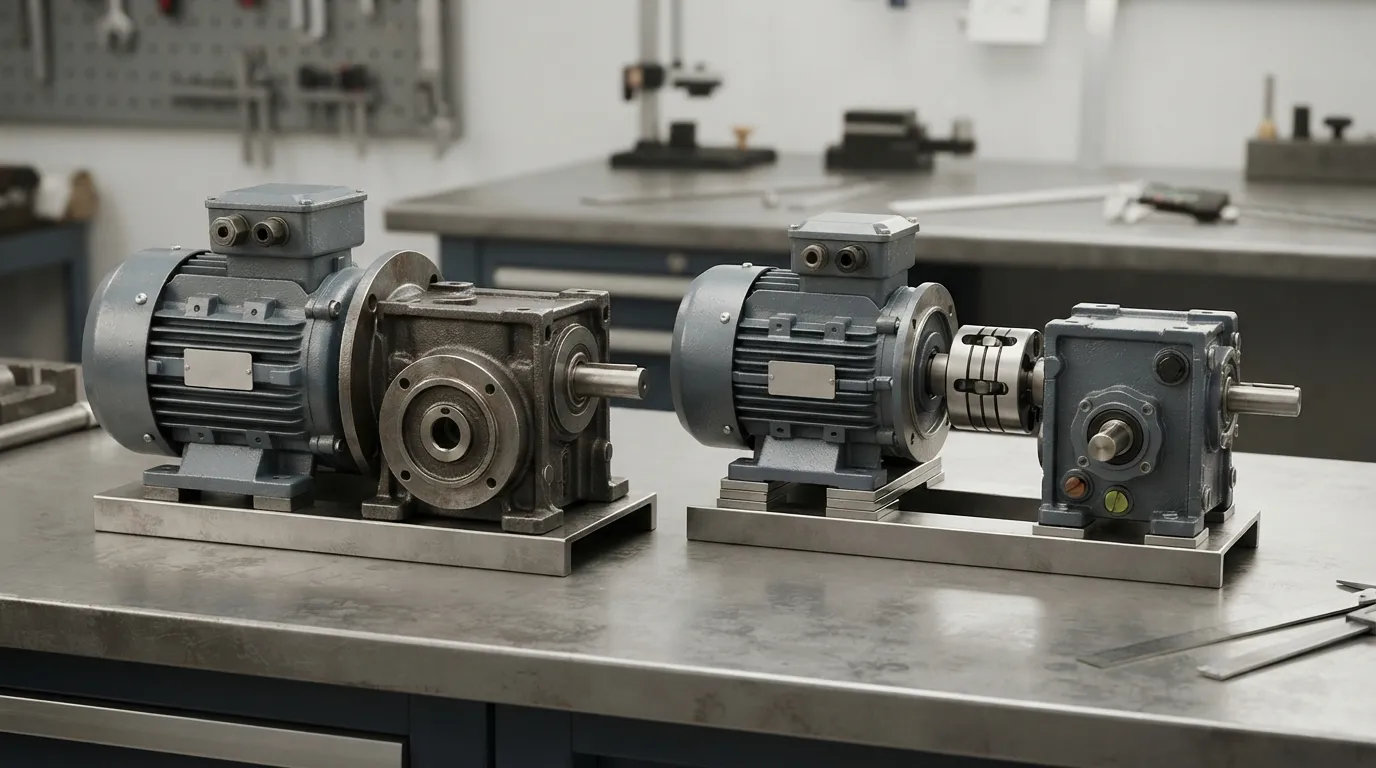
Hot Industrial Gearbox Coupling After Cold Alignment: What to Check
Oct 22, 2026
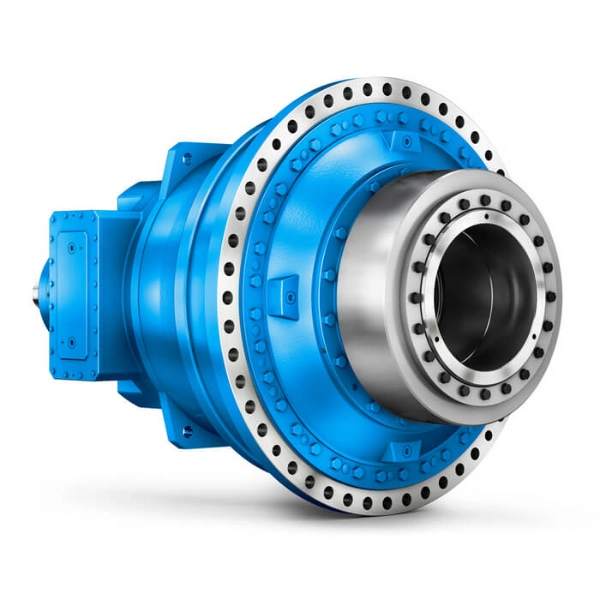
Hydraulic Slewing Drive Won't Rotate: Separate Motor, Brake and Gearbox Faults
Oct 22, 2026
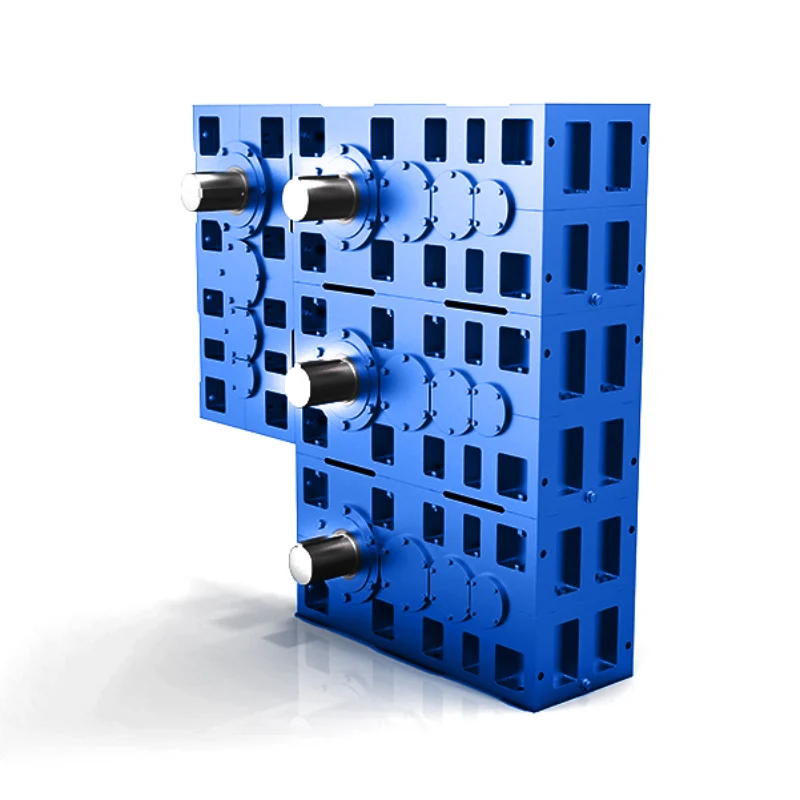
Calender Roll Gap Changes: What Must the Drive Coupling Accommodate?
Oct 22, 2026
What is a Motor Gearbox?
A motor gearbox is an electric motor together with a gearbox. It converts high motor speed to usable low speed. At the same time, it increases torque output. It is a unit of power transmission and facilitates a smooth mechanical movement. Simply put, it is a geared motor assembly that regulates speed and force. This system is popular in:
• Conveyor systems
• Mixers
• Packaging lines
• Mining machines
• Robotics systems
It provides effective transmission of torque with constant output.
Working of the Motor Gearbox in the industrial system
It operates in a basic mechanical circulation. The electric power is fed into the motor. The motor produces rotation. This rotation goes into the gearbox system. Speed is reduced, and torque multiplied, by gears within it.
Key Working Steps:
Input Shaft: Motor Rotation is Received
• The gear train mechanism slows down the speed.
• Torque multiplication happens
The Output Shaft Provides Controlled Motion
This is referred to as mechanical power transfer. The system supports:
• Rotational motion control
• Precision speed control
• Load handling capacity
It is a key part of every industrial drive system.
Motor Gearbox Types in Industry
Various industries require various types of gearboxes. All designs have a different purpose.
1. Planetary Motor Gearbox
- A small system that has a high torque output.
- It is applied in automation machinery and robotics.
2. Helical Motor Gearbox
- Silent and smooth functioning.
- It is very efficient and vibration-free.
3. Worm Motor Gearbox
- Best for a high reduction ratio.
- Used in lifts and conveyors.
4. Bevel Motor Gearbox
- Applications in right-angle motion transfer.
- Usually found in material handling systems.
5. Inline Motor Gearbox
- In a single line are the motor and the output shaft.
- Applied to small machines.
6. Parallel Shaft Gearbox
- Good load capacity and constant output.
- Applied in heavy-duty systems.
Both types are used to provide various industrial motion systems and torque requirements.
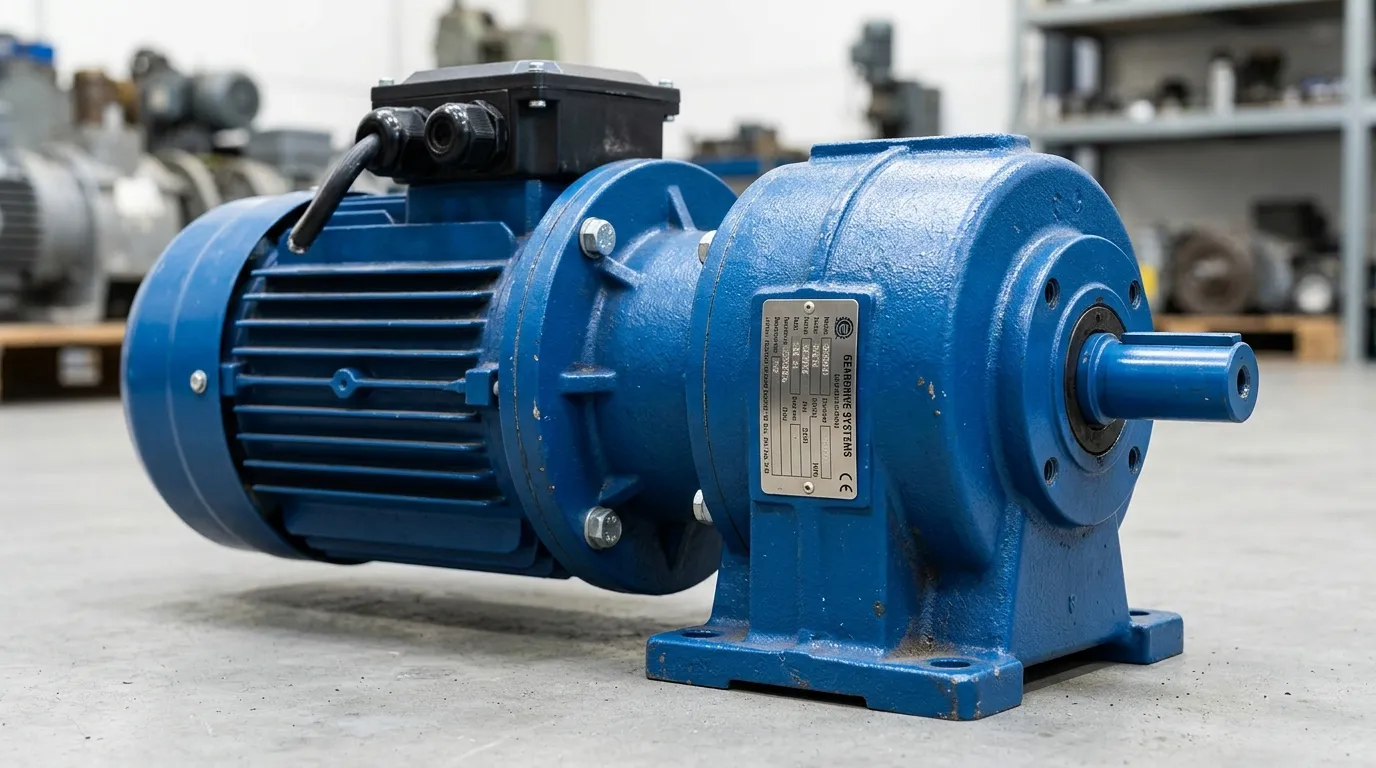
Technical Structure of Motor Gearbox
A motor gearbox is constructed to be strong and have a long life.
Main components:
• Input shaft
• Output shaft
• Gear housing
• Bearing assembly
• Lubrication system
• Gearbox casing
Gear materials:
• Helical gears to move smoothly.
• High reduction worm gears.
• Direction change bevel gears.
Internal design features:
• Alignment of the drive shaft to maintain constant output.
• Gear train system to regulate movement.
• Speed change transmission ratio control.
These components guarantee high load stability.
Mechanical Support Provided by a Motor Gearbox
Key benefits:
• High torque output
• Low-speed operation control
• Energy-efficient drive
• Low noise transmission
• Reduced vibration
• Compact gearbox design
• High load endurance
• Smooth power delivery
• Low-maintenance gearbox system.
• Durable mechanical performance
These characteristics are helpful in long-term industrial applications.
Automation and Motion Systems Motor Gearbox
Automation in modern factories is done using industrial motion control gearbox systems. A motor gearbox helps in:
• Precision motion control
• Machine efficiency optimization
• Automated industrial gears.
• Robotics motion systems
• Packaging line control
It is a unit of machine drive technology. It helps in maintaining a steady movement in rapid production lines.
Purchasing Guide: Motor Gearbox Purchase Advice
The selection of the appropriate internal motor gearbox is significant to the life of the machine and its stable operation. The incorrect choice may decrease productivity, wear and tear, and cause premature breakdown. An appropriate decision helps in a seamless operation in the actual industrial load conditions.
Important Questions to Ask Before Choosing
Start with the torque requirement. The gearbox should be able to cope with full load without stress and heat accumulation. In case of low torque, the system will wear quickly and lose performance.
- Then, verify the gear ratio. It regulates the slowing down of speed and the increment of torque. The appropriate ratio provides a stable production and a smooth movement of the machine.
- Know the type of load and make a final decision. Gearboxes must have different designs to accommodate light, medium, and heavy-duty loads. Strong gear teeth and strong housing are required for heavy loads.
- Also, check the speed range. Some machines operate at constant speed while others require variable operation. The gearbox should suit your working speed requirement.
- The operating temperature is also important. Lubrication is also impacted by high heat, and life is also affected. Select a system that has stable thermal control.
Check the application environment. Performance can be influenced by dust, moisture, vibration, and chemicals. Rugged and sealed designs are the most suitable in extreme conditions.
Why the Motor Gearbox is Important in Industry
- It is not a machine part per se. It is used as a full power control system in industrial applications. It connects mechanical motion and electric energy in a controlled and smooth manner. This assists machines in operating with constant force and precise speed.
- It guarantees stability in the transmission of power; hence, power does not flow away or cause sudden power cuts. It also ensures steady torque flow, which is important in the case of heavy machines under load. Another significant advantage is safe operation, which minimizes the pressure on motors and other related components. Long equipment life is also assisted by a good system through minimizing wear and heat accumulation.
Conclusion:
Motor gearbox maintains the stability, power, and efficiency of machines. It regulates movement, balances torque, and performs heavy work without strain. It is relied upon in industries to ensure smooth flow and the long life of machines. When you require a solid solution, pay attention to the quality of the construction and the design strength.
In need of reliable solutions in motor gearbox systems? Go to Mingye and find powerful, proven, and tailor-made gear motor solutions that meet actual industrial requirements.
Share on Social:


Contact Us
In This Article
Rubber Internal Mixer Gearbox: Read the Batch Load Profile, Not Just Motor kW
Oct 22, 2026
Hot Industrial Gearbox Coupling After Cold Alignment: What to Check
Oct 22, 2026
Hydraulic Slewing Drive Won't Rotate: Separate Motor, Brake and Gearbox Faults
Oct 22, 2026
Calender Roll Gap Changes: What Must the Drive Coupling Accommodate?
Oct 22, 2026