


 Home /
 How to Choose a Welding Roller Bed for Pipe and Tank Fabrication
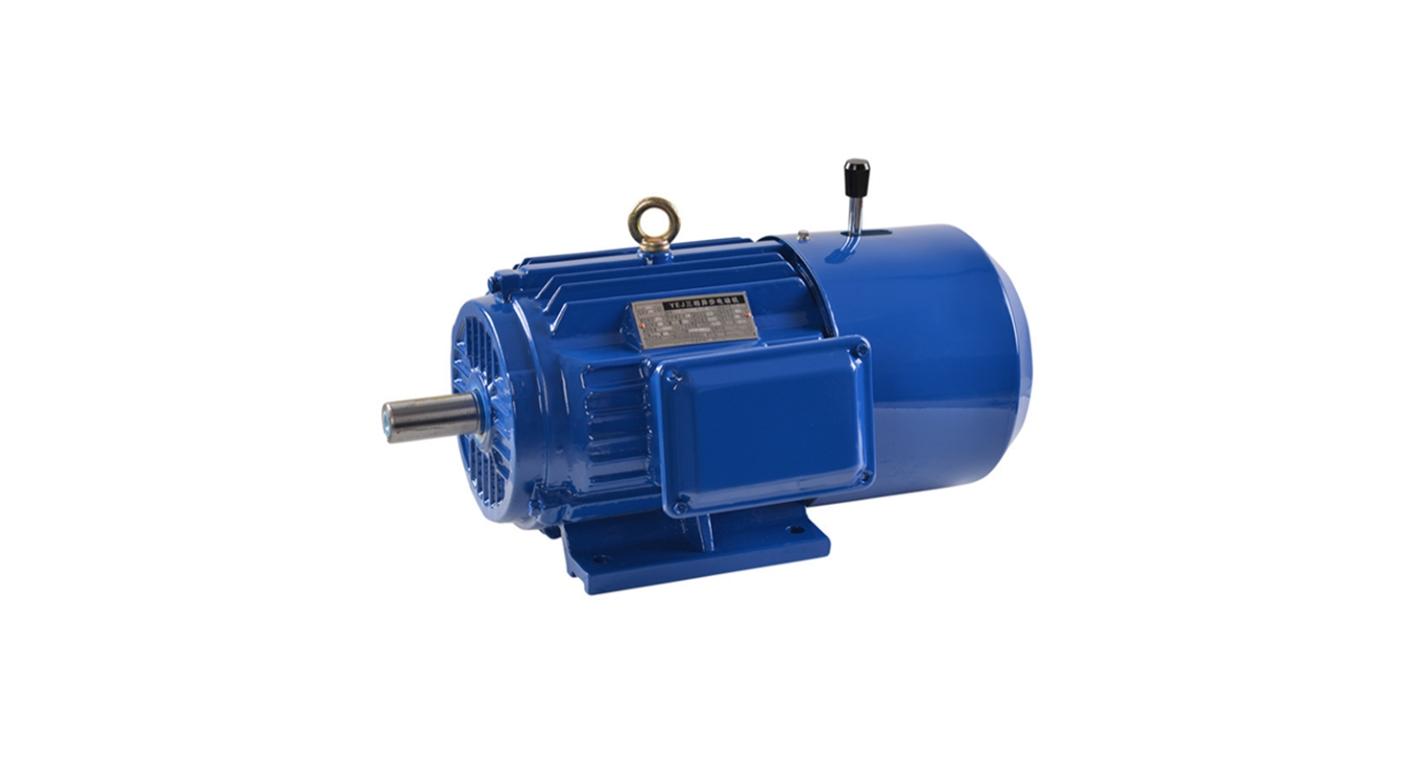
Right Angle Geared Motor: Matching Electrical Supply, Variable Speed and Braking
Oct 26, 2026
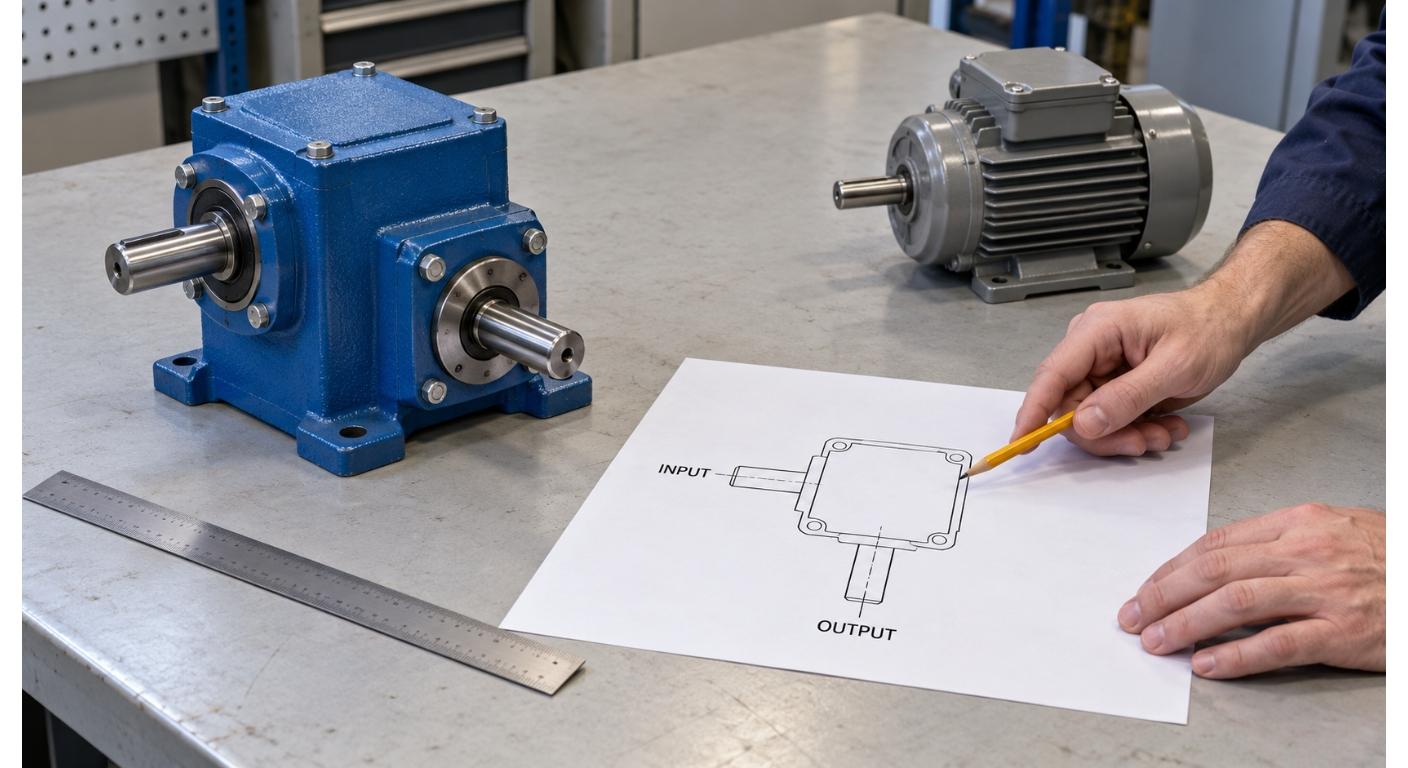
Planning a Bevel Reducer Installation: Turn Shaft Requirements Into a Practical Drive Layout
Oct 26, 2026
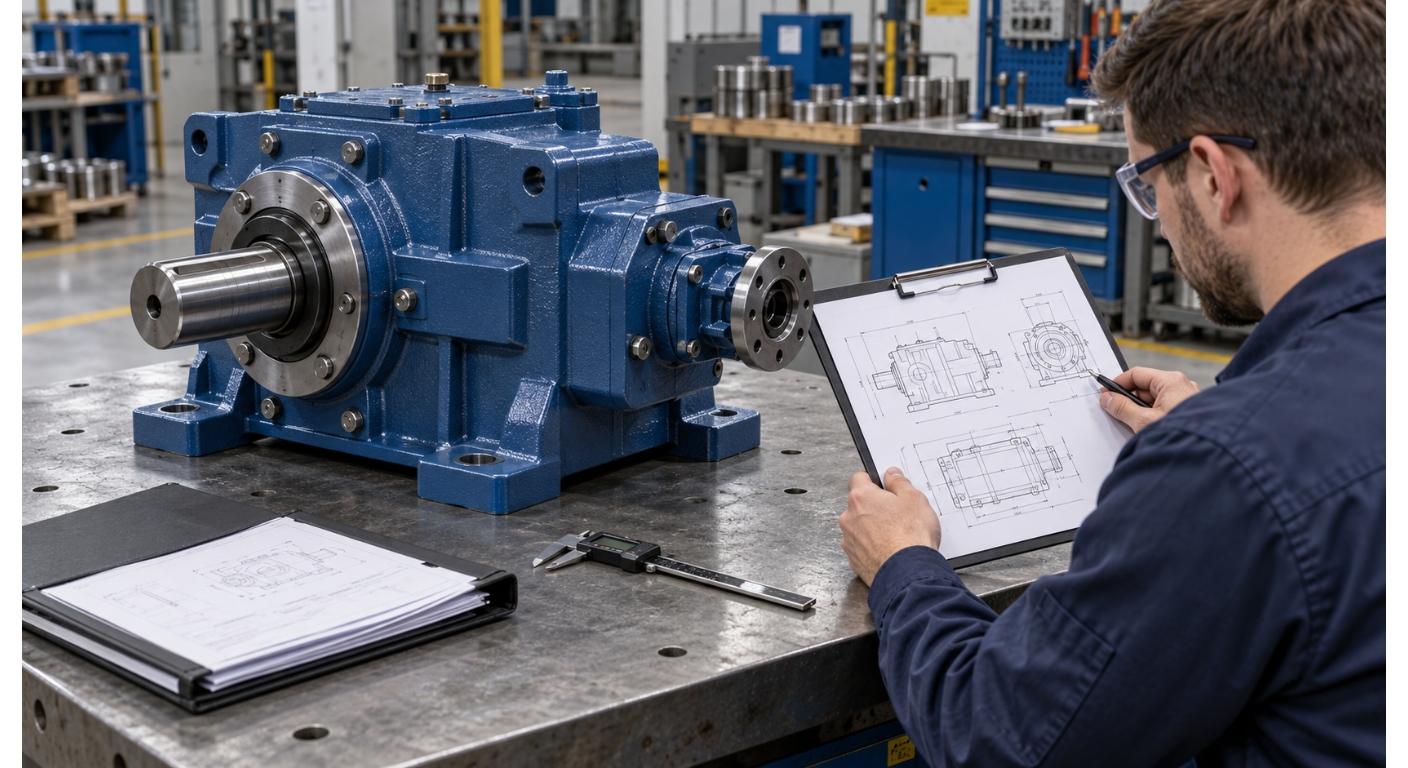
Choosing an Overhead Crane Gearbox by Its Hoisting or Travel Function
Oct 26, 2026
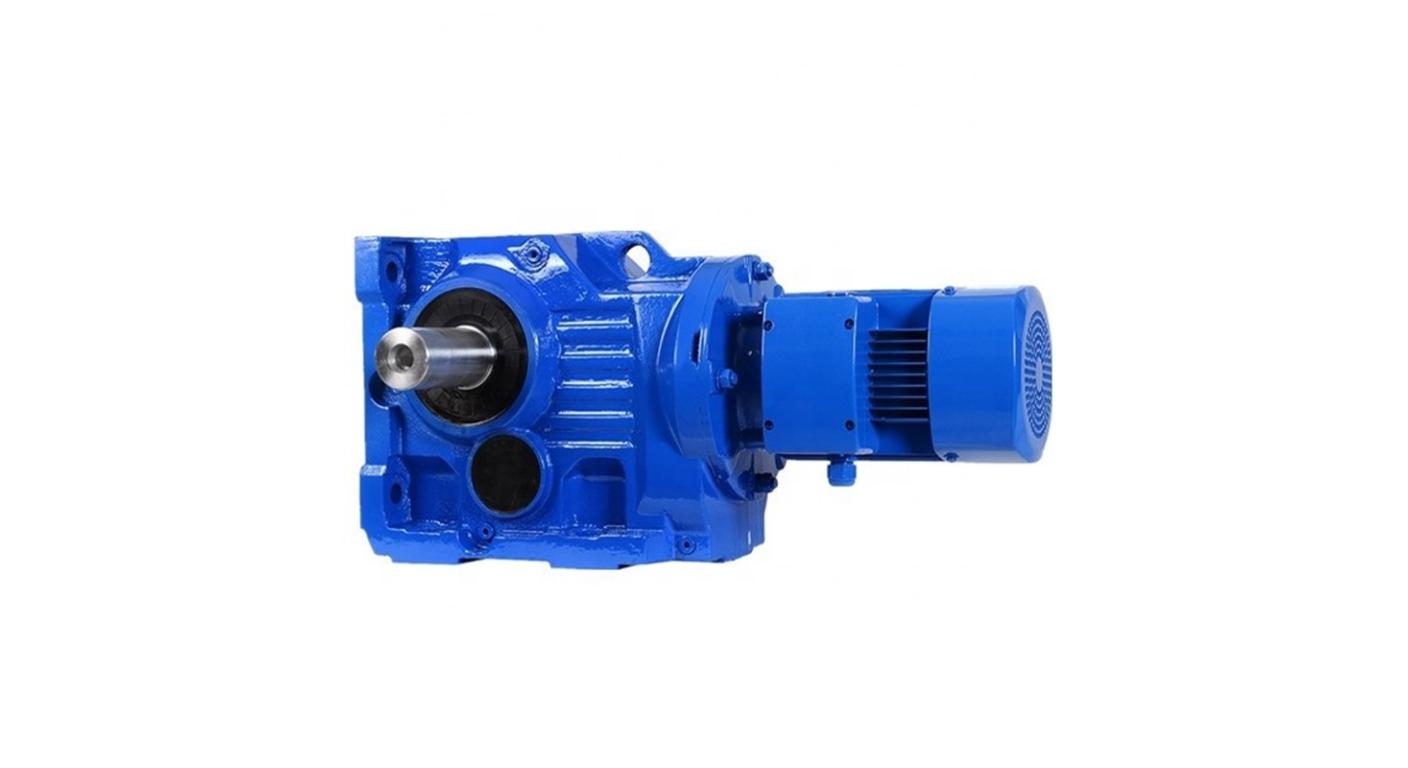
Replacing an Industrial Worm Gearbox: What to Keep and What to Reassess
Oct 25, 2026
A welding roller bed rotates cylindrical workpieces so that welding operators can work at a consistent position instead of repositioning themselves around the part. On the surface, pipe fabrication and tank fabrication look nearly identical: both involve rotating cylindrical workpieces, both use weight and diameter as the primary selection parameters, and most supplier catalogs list roller beds by load capacity without distinguishing between the two applications.
That assumption holds only until the equipment arrives on the shop floor. The way each application loads, supports, and rotates the workpiece is fundamentally different. When a pipe shop selects a roller bed using tank-style assumptions, or a tank shop configures its rotator based on pipe parameters, the result is the same: mismatched capacity, unstable rotation, and costly corrections after installation.
This article breaks down the specific demands of pipe fabrication and tank fabrication, then compares them so that procurement teams can match roller bed specifications to their actual application.
What Makes Pipe Fabrication Different
Pipe fabrication involves welding long, relatively narrow cylindrical sections. Typical workpieces include process piping, pipeline segments, risers, and penstocks. Diameter ranges are usually between 200 mm and 3,000 mm, but the defining characteristic is length — single sections can extend 6 meters or more, and spooled assemblies often exceed 12 meters.

Long Workpieces Require Multiple Support Points
In a pipeline girth welding application, a 12-meter pipe section with heavy wall thickness can weigh several tons, depending on wall thickness and material — and when supported at only two points, it deflects at midspan, causing the weld joint to shift during rotation, enough to cause defects in automated welding. Long or relatively flexible pipe sections may require additional support sets, depending on length, diameter, wall thickness, material, and joint position.
The key selection parameter here is roller bed spacing adjustability. Adjustable-center-distance roller beds allow operators to reposition the drive and idler units along a track to match the pipe length and prevent midspan deflection. Self-aligning roller beds, which adjust wheel spacing automatically based on workpiece diameter, handle diameter variation — but they do not solve the length support problem.
Small Diameters Create Traction Challenges
Pipe workpieces tend to have smaller diameters than storage tanks. Small, light, or smooth-surfaced pipes may provide a lower traction margin because the available normal force, roller geometry, surface condition, and friction characteristics differ from those of heavier vessels. If the pipe surface is smooth (such as coated or stainless steel), traction drops further.
For pipe applications, PU rollers are typically the most reliable choice — they provide higher traction than steel rollers on smooth surfaces. Steel rollers may slip on smooth pipe surfaces — especially when the pipe is light and the drive rollers cannot generate enough grip. For pipe fabrication, tractive pull often becomes the limiting factor before load capacity is reached — a distinction that is less commonly the limiting factor for tank applications.
Circumferential Welds Dominate
Most pipe welding involves circumferential (girth) welds joining sections end to end. The roller bed needs to deliver smooth, consistent rotation speed so that the welding operator or automated welding head can maintain a steady travel speed.
Axial drift — the tendency of the workpiece to move along its length during rotation — is particularly problematic for pipe because the weld joint must stay precisely aligned with the welding torch. For automated girth welding, an anti-drift system is a functional requirement. For manual welding of short seams, operators can compensate for minor drift by repositioning the torch — the need depends on the welding process and seam length.

Key Selection Priorities for Pipe Fabrication
| Priority | Why It Matters for Pipe | What to Specify |
| Multiple support points | Long workpieces deflect at midspan | Two or more roller bed sets with adjustable spacing |
| High-traction rollers | Small diameter reduces contact area | PU rollers for smooth or stainless surfaces |
| Precise speed control | Girth welds require consistent travel speed | VFD with sufficient speed regulation for the application |
| Anti-drift system (for automated welding) | Axial movement misaligns girth welds | Mechanical or hydraulic anti-drift; depends on welding process |
| Adjustable center distance | Pipe diameters vary across projects | Adjustable-type roller beds |
What Makes Tank Fabrication Different
Tank fabrication involves constructing large-diameter cylindrical vessels — storage tanks, pressure vessels, reactors, and heat exchangers. Diameters commonly range from 2,000 mm to over 10,000 mm for large shop-fabricated tank or vessel sections. Typical ranges vary significantly by industry and project.
Heavy Loads and Large Diameters
A single tank shell course can weigh 10 to 30 metric tons. When multiple courses are stacked for circumferential welding, the rotating assembly may exceed 50T. This is fundamentally different from pipe fabrication, where individual sections are lighter even at longer lengths.
For tank fabrication, load capacity is the primary selection driver. The roller bed must support not only the static weight of the vessel but also the dynamic loads generated during rotation — including eccentric loads from nozzles, internal supports, and attached fittings.
At these load levels, roller material selection becomes critical. PU rollers, while offering high traction, may deform under the concentrated weight of a heavy-wall vessel. For very heavy tanks, steel rollers are often the practical choice — they handle the load without permanent deformation, even though their lower traction means that additional drive rollers or a second drive unit may be needed to compensate. The choice between PU and steel depends on the specific load, diameter, and surface protection requirements — not on a universal threshold.
Shell Course Alignment Requires Positioning Precision
Tank construction involves aligning and welding multiple shell courses vertically. Each course must be positioned precisely before the circumferential weld is made. This requires the roller bed to support not just rotation, but also fine positioning — the ability to jog the workpiece forward or backward in small increments to align the weld gap.
Roller beds with VFD-controlled jog functions and remote pendants allow operators to make these adjustments without walking to the control panel.
Longitudinal and Circumferential Welds
Unlike pipe fabrication, where circumferential welds dominate, tank fabrication requires both longitudinal welds (joining the plate edges to form a shell course) and circumferential welds (joining courses together).
For longitudinal welds, the workpiece is rotated to position the seam at the top or side, then held stationary while the weld is completed. The roller bed must hold the vessel in position without creeping — a quality that depends on the braking system and the VFD’s holding torque capability.

Key Selection Priorities for Tank Fabrication
| Priority | Why It Matters for Tanks | What to Specify |
| High load capacity | Shell courses and assemblies can be very heavy | Rated capacity with safety margin; confirm dynamic load rating |
| Steel or reinforced rollers for heavy loads | Heavy loads may deform PU | Select roller material based on actual load and surface requirements |
| Fine positioning (jog) | Shell course alignment requires incremental adjustment | VFD with jog function and remote pendant |
| Holding brake | Longitudinal welds require stationary positioning | Motor brake or VFD holding torque confirmed |
| Self-aligning capability | Large diameter range across tank projects | Self-aligning roller beds adjust wheel spacing automatically |
Pipe vs Tank: Selection Comparison
| Selection Dimension | Pipe Fabrication | Tank Fabrication | Selection Implication |
| Typical diameter range | 200–3,000 mm | 2,000–10,000+ mm | Tank rotators need wider wheel spacing; pipe rotators need compact frames |
| Typical weight per section | Lighter per section | Heavier per section | Load capacity is the primary filter for tanks; traction is primary for pipes |
| Dominant weld type | Circumferential (girth) | Both longitudinal and circumferential | Tank applications may require a holding brake for longitudinal seams; pipes may need anti-drift for girth alignment |
| Roller material priority | PU (high traction on small diameters) | Depends on load — steel or reinforced PU for heavy loads | Specifying PU for a heavy tank may cause deformation; specifying steel for smooth pipe risks slippage |
| Number of roller bed sets | May require multiple support sets (long workpieces) | Varies — depends on shell course configuration | Pipe shops may need track systems; tank shops need heavy-duty units |
| Anti-drift requirement | Essential for automated girth welding | Important but severity depends on application | Confirm anti-drift based on welding process, not as a universal standard |
| Positioning (jog) function | Useful but not always critical | May be necessary where incremental positioning is required | Tank procurement should confirm jog function and remote pendant availability |
| Self-aligning vs adjustable | Adjustable (for length variation) | Self-aligning (for large diameter range) | The choice depends on multiple factors — diameter range, length, load, and shop configuration |
Cross-Application Pitfalls
Several common mistakes apply to both pipe and tank fabrication. The most frequent is specifying only weight and diameter when requesting a quotation — a supplier can select a model from these two parameters, but the configuration may be completely wrong for the actual welding process. Other common pitfalls include ignoring tractive pull (critical for pipe, less common but possible for tank), and confusing self-aligning and adjustable roller bed types. For a comprehensive list of common procurement mistakes, see Common Mistakes When Buying Welding Turning Rolls from Overseas Suppliers.
Choosing a welding roller bed for pipe or tank fabrication? Send your workpiece parameters — diameter range, weight, length, material type, and welding process — to Mingye Machinery for a technical review. We will confirm whether your application is pipe-dominant or tank-dominant and propose a suitable roller bed configuration for review, subject to project requirements. Request a pipe/tank application review.
FAQ
Can I use the same roller bed for both pipe and tank workpieces?
It depends on the overlap in your workpiece range. If your pipe diameters fall within the tank roller bed’s adjustable range and the load capacity covers the pipe weight, the same unit can serve both — but you may need to change roller materials and adjust control settings. For shops that regularly switch between pipe and tank work, a configurable roller bed with interchangeable roller wheels is a practical solution.
Is anti-drift always necessary for pipe welding?
For manual pipe welding with short seams, operators can compensate for minor axial drift by repositioning the torch. For automated or semi-automated girth welding, anti-drift is essential — the welding head cannot track a joint that moves out of position. The requirement depends on the welding process, not on a universal rule.
Why not just use PU rollers for everything?
PU offers high traction and protects workpiece surfaces, but it has limitations. Under very heavy loads, PU may permanently deform. At sustained elevated temperatures, PU may soften. On workpieces with sharp weld reinforcement, PU surfaces can be cut or gouged. For these conditions, steel rollers may be the more reliable choice. The decision should be based on the specific load, temperature, and surface conditions — not on a universal rule.
What is the minimum information a supplier needs to recommend the right roller bed?
At minimum: workpiece weight, diameter range, length, material type, and welding process. For a complete recommendation, also include: eccentric load sources, surface protection requirements, available power supply, and whether the application is primarily pipe or tank fabrication.
Share on Social:


Contact Us
Right Angle Geared Motor: Matching Electrical Supply, Variable Speed and Braking
Oct 26, 2026
Planning a Bevel Reducer Installation: Turn Shaft Requirements Into a Practical Drive Layout
Oct 26, 2026
Choosing an Overhead Crane Gearbox by Its Hoisting or Travel Function
Oct 26, 2026
Replacing an Industrial Worm Gearbox: What to Keep and What to Reassess
Oct 25, 2026